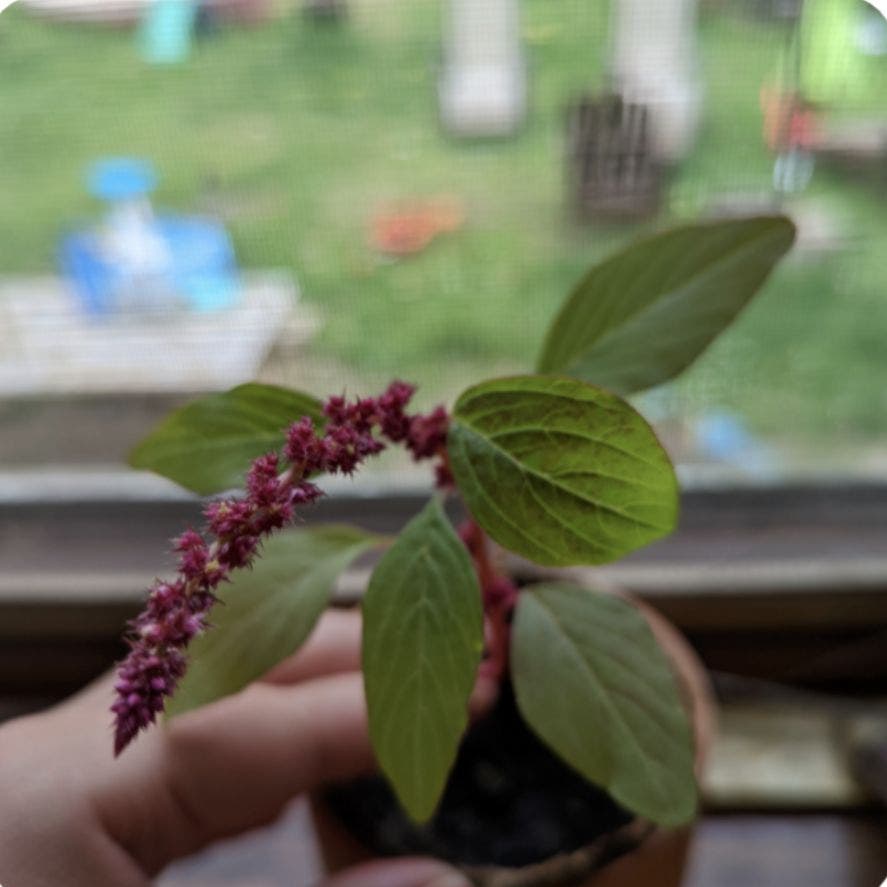
What to Do About Red Amaranth Root Rot
Amaranthus gangeticus
By the Greg Editorial Team
Nov 06, 2024•4 min read
This article was created with the help of AI so we can cover more plants for you. May contain errors. See one? Report it here.
Save your Red Amaranth from root rot 🌱 and ensure a flourishing garden with these essential recovery tips!
- 🌱 Treat Red Amaranth root rot by inspecting and trimming damaged roots carefully.
- 🧴 Disinfect pots with bleach before repotting to eliminate lingering pathogens.
- 🌿 Use well-draining soil and maintain proper watering to prevent future root rot.
Treating Root Rot
Step-by-step Treatment for Root Rot 🌱
Treating root rot in your Red Amaranth requires careful attention. Start by gently removing the plant from its pot.
Next, inspect the roots closely. Identify which roots are healthy and which ones are rotting.
Trim away any affected roots using sterilized scissors. This helps prevent the spread of rot.
After trimming, clean the pot thoroughly. Use a bleach solution, mixing one part bleach with nine parts water to disinfect.
Finally, repot your plant in fresh soil. Opt for a well-draining soil mix and ensure the pot size is appropriate for the plant.
Recommended Fungicides or Treatments 🧪
To combat root rot effectively, consider applying fungicides. Look for products that contain active ingredients like azoxystrobin or propiconazole.
If you prefer homemade remedies, a diluted hydrogen peroxide solution (3%) can be effective for treating roots.
Additionally, incorporating beneficial microbes into the soil can promote healthier root systems, enhancing your plant's resilience.
How to Repot Affected Plants 🌍
When repotting your affected Red Amaranth, choose the right pot first. Ensure it has drainage holes and is slightly larger than the previous one.
Prepare the soil by mixing potting soil with perlite or sand to improve drainage. This will help prevent future issues.
Position the plant at the same depth as before to maintain its health.
Lastly, water the plant lightly, ensuring the soil is moist but not saturated.
With these steps, your Red Amaranth can recover and thrive once again. Now, let’s explore how to prevent root rot in the future.
Preventing Root Rot
🌱 Best Soil Types
To keep your Red Amaranth thriving, start with a well-draining potting mix. Opt for blends specifically designed for vegetables or herbs to ensure optimal growth.
Aim for a slightly acidic to neutral soil pH, ideally between 6.0 and 7.0. This range supports nutrient availability and root health.
Consider adding perlite or vermiculite to your soil mix. These additives enhance drainage, preventing water from pooling around the roots.
💧 Importance of Proper Watering Techniques
Establishing a consistent watering schedule is crucial. Allow the top inch of soil to dry out before watering again to avoid over-saturation.
When watering, focus on the base of the plant. This method prevents wetting the leaves, which can lead to fungal issues.
Using a moisture meter can be a game-changer. It helps you monitor soil moisture levels, ensuring you don’t accidentally drown your plant.
🚿 Tips for Improving Soil Drainage
Choose pots with adequate drainage holes. This feature allows excess water to escape, reducing the risk of root rot.
Elevating your pots can also improve drainage. Use pot feet or trays to create airflow beneath the pot, promoting a healthier environment.
Lastly, avoid compacting the soil when planting. Loosening the soil helps maintain good drainage and encourages healthy root development.
By implementing these strategies, you can significantly reduce the risk of root rot in your Red Amaranth. Next, let’s explore how to monitor your plant’s health effectively.
Monitoring Plant Health
Signs of Recovery 🌱
After addressing root rot, it's crucial to monitor your Red Amaranth for signs of recovery. Look for new growth, which indicates that healthy leaves and stems are emerging.
Additionally, pay attention to the color of the foliage. A return to vibrant green is a positive sign that your plant is regaining its health. Lastly, check the roots; firm, white roots visible through drainage holes are a strong indicator of recovery.
Regular Care Practices 🧑🌾
To support your plant's recovery, establish a consistent watering routine. Allow the top inch of soil to dry out before watering again to prevent over-saturation.
Fertilization is also essential during the growing season. Use balanced fertilizers to provide the nutrients your Red Amaranth needs to thrive. Moreover, maintain optimal humidity and temperature levels to create a conducive environment for growth.
When to Seek Professional Help 🆘
Sometimes, despite your best efforts, root rot symptoms may persist. If you notice ongoing issues, it might be time to seek professional help.
Severe infestations, such as multiple fungal pathogens or pests, can complicate recovery. Additionally, if there are no signs of improvement after following care guidelines, consulting an expert can provide the necessary insights to save your plant.
By keeping a close eye on your Red Amaranth and following these practices, you can foster a healthy, thriving plant. Next, we will explore effective strategies for preventing root rot in the first place.
⚠️ Safety First
This content is for general information and may contain errors, omissions, or outdated details. It is not medical, veterinary advice, or an endorsement of therapeutic claims.
Always consult a qualified healthcare professional before using any plant as food, medicine, or supplement.
Never eat any plant (or feed one to pets) without confirming its identity with at least two trusted sources.
If you suspect poisoning, call Poison Control (800) 222-1222, the Pet Poison Helpline (800) 213-6680, or your local emergency service immediately.
Spotted an error? Please report it here.
Revive your Red Amaranth from root rot with smart care practices 🌱, and let Greg help you succeed by providing personalized watering reminders and moisture monitoring for a thriving plant!