Determining What Might Be Eating Your Purple Nutsedge 🐛
Cyperus rotundus
By the Greg Editorial Team
Jan 07, 2025•4 min read
This article was created with the help of AI so we can cover more plants for you. May contain errors. See one? Report it here.
Safeguard your beautiful purple nutsedge 🌿 from hungry herbivores with these essential garden protection tips!
- 🌱 Purple nutsedge attracts various herbivores, including deer, rabbits, and squirrels.
- 🚫 Deterring herbivores can be achieved with repellents, fencing, and companion planting.
- 🔍 Regular monitoring for damage ensures early intervention and protection of your plants.
Description and Appeal
Appearance 🌿
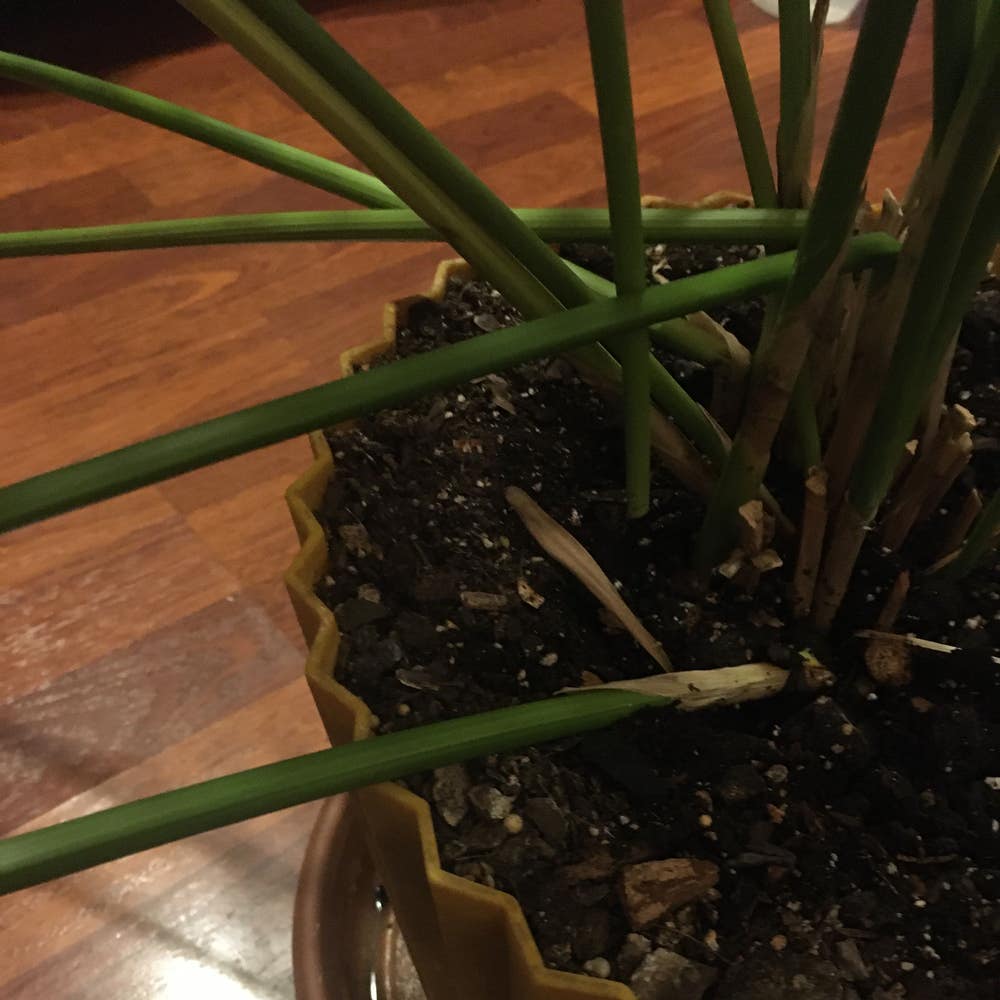
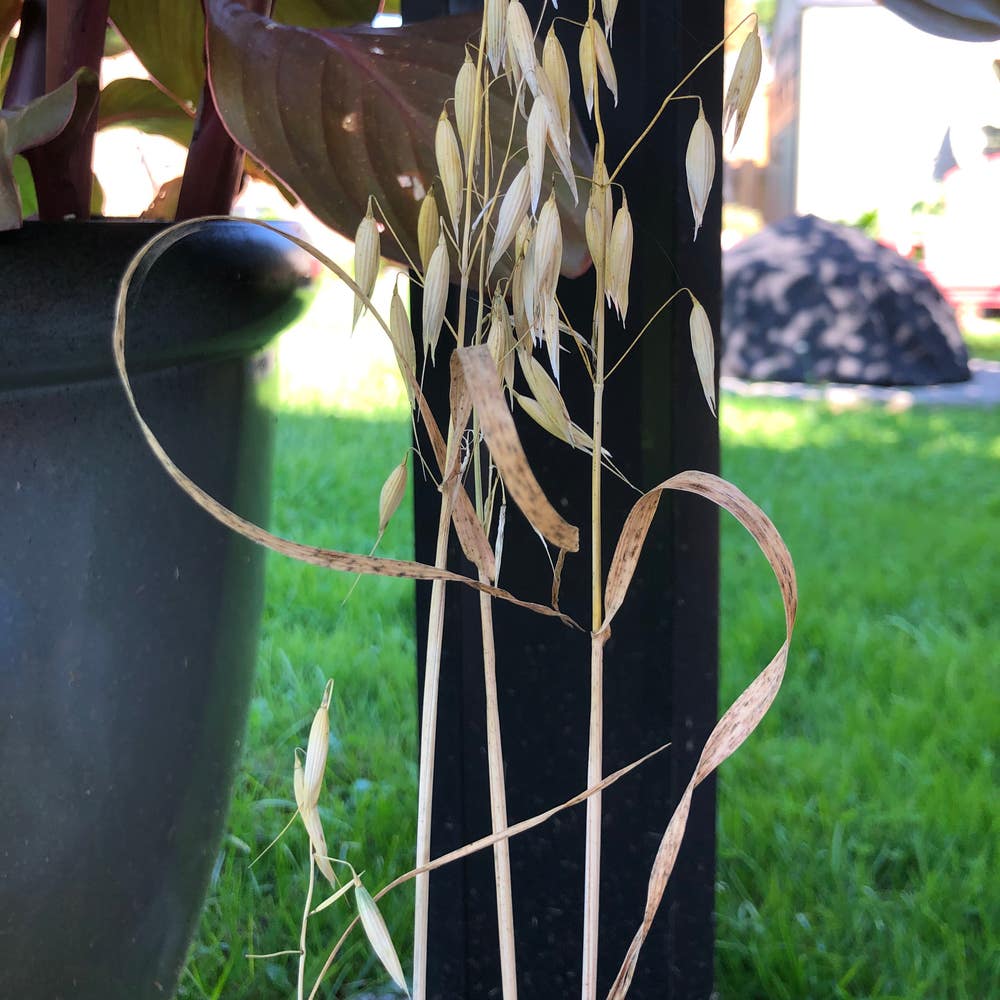
Purple nutsedge is a fascinating perennial plant that stands out in any garden. With its distinctive triangular stems and grass-like leaves, it can grow up to 3 feet tall, creating a striking visual presence.
The plant produces small, clustered flowers that not only add beauty but also attract pollinators, enhancing the biodiversity of your garden.
Most Appealing Parts to Animals 🐾
Several parts of the purple nutsedge are particularly appealing to herbivores.
- Young shoots are tender and nutritious, making them a favorite snack for many animals.
- The flowers can attract not just pollinators but also some birds, adding to the plant's allure.
- Lastly, the nut-like tubers are highly sought after by various herbivores, making them a target for foraging.
Understanding these characteristics can help you appreciate the role of purple nutsedge in your garden ecosystem. Its appeal to wildlife can be both a blessing and a challenge, as it draws in various herbivores that may cause damage.
As we delve deeper into the common herbivores that might be feasting on your purple nutsedge, you'll discover effective ways to protect this captivating plant.
Common Herbivores
🦌 Deer
Signs of Presence and Damage
Deer are notorious for their impact on purple nutsedge. Look for ragged edges on leaves and stripped stems, which indicate browsing. Additionally, hoof prints in muddy areas near the plant can confirm their presence.
Interaction Type
Deer interactions are generally harmful. They can decimate populations of purple nutsedge, leading to significant declines in plant health.
Deterrent Methods
To deter deer, consider using commercial deer repellents. Alternatively, planting deer-resistant species nearby or using human hair and soap shavings can create a more unwelcoming environment.
🐇 Rabbits
Signs of Presence and Damage
Rabbits leave clear signs of their presence. You may notice clean cuts on stems and leaves, along with small, round droppings scattered near the plant.
Interaction Type
Rabbits are also generally harmful. Their feeding habits can significantly reduce the vigor of purple nutsedge.
Deterrent Methods
Bitter-tasting sprays can serve as effective chemical deterrents against rabbits. For an organic approach, erect fencing at least 2 feet high or use repellents like cayenne pepper to keep them at bay.
🐿️ Squirrels
Signs of Presence and Damage
Squirrels can be sneaky foragers. Look for chewed stems and leaves, as well as nesting materials like twigs and leaves collected nearby.
Interaction Type
Squirrel interactions are typically harmful. They can cause localized damage that affects the overall health of your plants.
Deterrent Methods
Commercial squirrel repellents can help manage their presence. You can also employ scare tactics, such as reflective tape or noise makers, to keep them away.
🐦 Birds
Signs of Presence and Damage
Birds can be both friends and foes. Evidence of feeding includes pecked flowers and seeds, while nearby nests in shrubs or trees indicate nesting behavior.
Interaction Type
Bird interactions are mixed. While some birds may help control pests, others can damage flowers and reduce plant aesthetics.
Deterrent Methods
Typically, no chemical deterrents are used for birds. Instead, consider using netting over plants or placing decoys and reflective objects to deter them.
🐭 Rodents
Signs of Presence and Damage
Rodents can wreak havoc on your purple nutsedge. Look for small burrows near the base of the plant and gnaw marks on tubers and stems.
Interaction Type
Rodent interactions are generally harmful. They can cause significant damage to your plants, leading to reduced growth and health.
Deterrent Methods
To combat rodents, chemical options like rodent bait stations can be effective. Alternatively, use traps and maintain a clean garden to reduce hiding spots and discourage their presence.
As you explore these common herbivores, remember that understanding their behaviors and signs can help you protect your purple nutsedge effectively. Next, let’s dive into general protection strategies to keep your plants thriving.
General Protection Strategies
🛡️ Preventive Measures
To keep your purple nutsedge safe, consider planting companion plants that deter herbivores. Regularly monitoring for signs of animal damage can help you catch issues early.
Creating a diverse garden ecosystem is another effective strategy. This approach attracts beneficial animals that can help control herbivore populations naturally.
⚠️ Reactive Solutions
If you notice damage, act quickly by removing affected parts of the plant. This prevents further attraction of herbivores looking for a meal.
Using barriers and traps can also control herbivore populations effectively. These methods can provide immediate relief and protect your plants from further harm.
🌦️ Seasonal Variations
Be aware that herbivore activity varies with the seasons. In spring, many animals emerge from hibernation, increasing their foraging behavior.
Summer marks peak feeding times, especially for young animals. As fall approaches, animals forage heavily to prepare for winter, making it crucial to stay vigilant during this time.
By understanding these seasonal patterns, you can better protect your purple nutsedge throughout the year.
⚠️ Safety First
This content is for general information and may contain errors, omissions, or outdated details. It is not medical, veterinary advice, or an endorsement of therapeutic claims.
Always consult a qualified healthcare professional before using any plant as food, medicine, or supplement.
Never eat any plant (or feed one to pets) without confirming its identity with at least two trusted sources.
If you suspect poisoning, call Poison Control (800) 222-1222, the Pet Poison Helpline (800) 213-6680, or your local emergency service immediately.
Spotted an error? Please report it here.
Keep your purple nutsedge thriving 🌱 by using Greg's personalized care tips to monitor herbivore activity and implement effective deterrents for a flourishing garden!