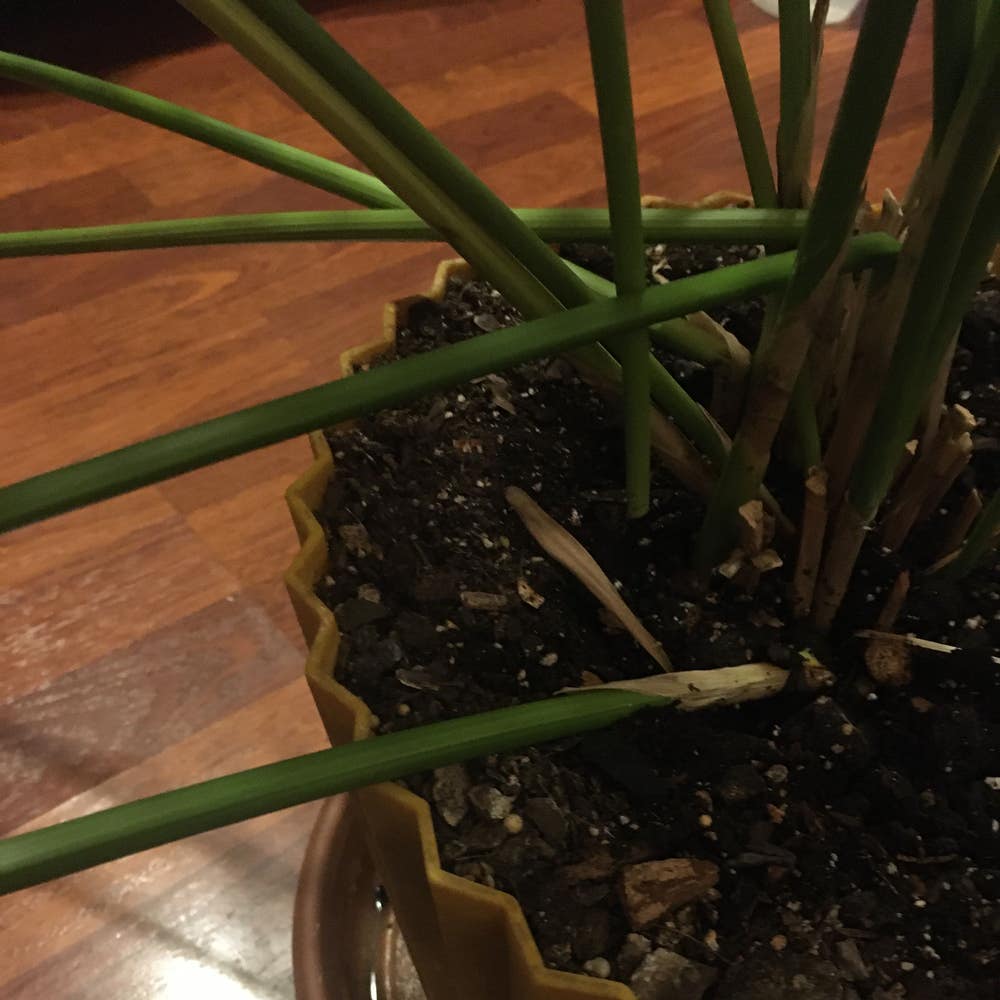
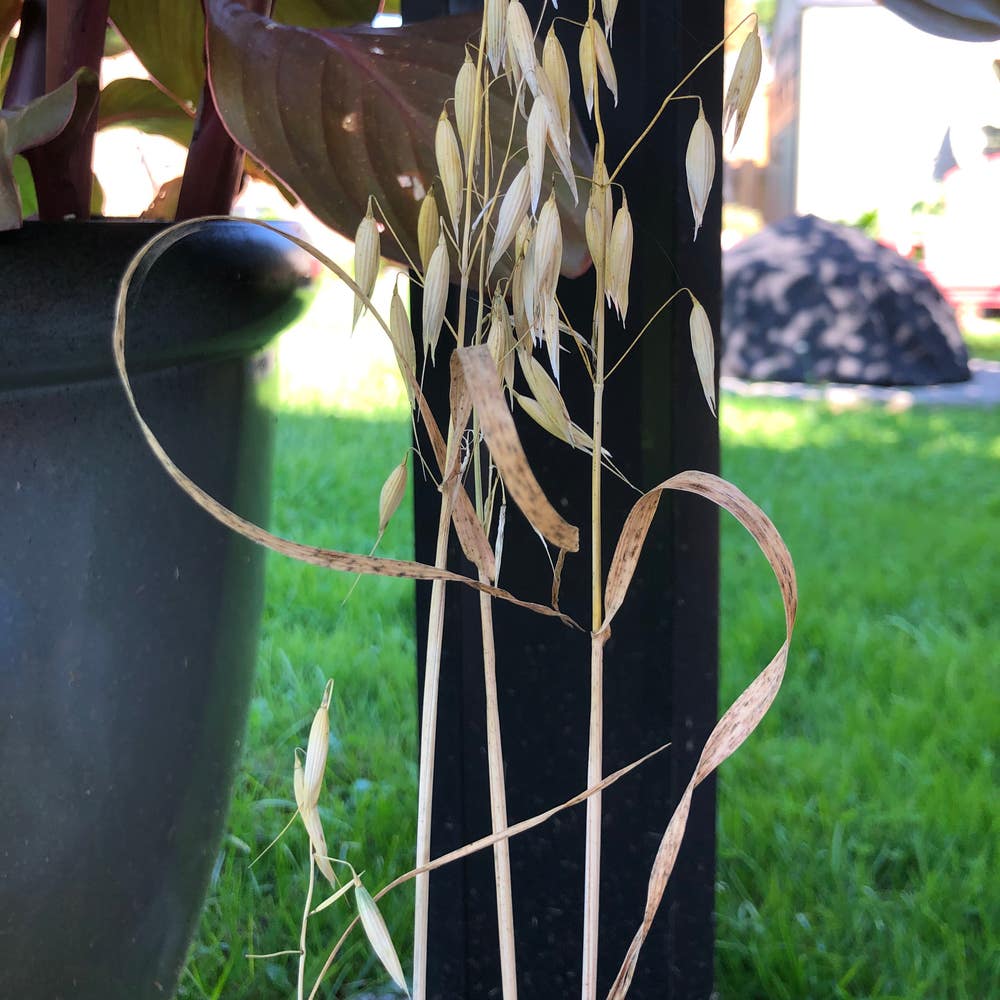
😩 Dealing with Droopy Leaves on Your Nutgrass
Cyperus rotundus
By the Greg Editorial Team
Nov 07, 2024•5 min read
This article was created with the help of AI so we can cover more plants for you. May contain errors. See one? Report it here.
Transform your droopy nutgrass into a thriving beauty 🌱 with essential tips on watering, nutrients, and pest control!
- 💧 Droopy leaves result from overwatering, underwatering, or nutrient deficiencies.
- 🌡️ Extreme temperatures and pests can also stress nutgrass, causing droopiness.
- 🌱 Regular soil checks and balanced fertilization promote healthy, vibrant nutgrass.
Causes of Droopy Leaves
💧 Overwatering
Overwatering is a common culprit behind droopy leaves. Symptoms include yellowing leaves and soggy soil, which can lead to root rot and hinder the plant's ability to absorb nutrients.
🚰 Underwatering
On the flip side, underwatering can also cause droopy leaves. Signs of this issue are wilting and dry soil, putting stress on the plant and resulting in droopy foliage.
🌱 Nutrient Deficiencies
Nutrient deficiencies, particularly in nitrogen and potassium, can significantly affect your nutgrass. Look for yellowing or browning leaf tips as indicators that your plant may need a nutrient boost.
🌪️ Environmental Stress
Environmental factors play a crucial role in plant health. Extreme temperatures and humidity levels can cause symptoms like leaf curling and drooping, signaling that your nutgrass is under stress.
🐛 Pest Infestation
Pest infestations can wreak havoc on your nutgrass, with common pests like aphids and spider mites being the main offenders. Symptoms include stunted growth and visible pests on the leaves, which can further exacerbate droopiness.
Understanding these causes is essential for diagnosing and addressing the issues affecting your nutgrass. By identifying the root of the problem, you can take effective steps to restore your plant's health.
Diagnosing the Problem
🌊 Assessing Watering Practices
To tackle droopy leaves on your nutgrass, start by checking the soil moisture levels. The ideal moisture should be consistently moist but not waterlogged, which can be easily monitored using a soil moisture meter or a simple finger test.
Next, evaluate your watering frequency. It's generally recommended to water every 1-2 weeks, but this can vary based on weather conditions and soil type.
🏞️ Evaluating Soil Conditions
Soil type and drainage play crucial roles in plant health. Nutgrass thrives in well-draining loamy soil, so look out for signs of poor drainage, such as puddles forming or compacted soil.
Additionally, check the soil pH levels. The optimal range for nutgrass is between 6.0 and 7.0, and you can easily test this using pH test kits available at most garden centers.
🥦 Identifying Nutrient Deficiencies
Visual symptoms can help you spot nutrient deficiencies in your nutgrass. For instance, nitrogen deficiency often manifests as pale green leaves and stunted growth, while potassium deficiency can cause leaf tip burn and drooping.
To ensure your plants are getting the nutrients they need, consider soil testing for nutrient levels every 1-2 years. This proactive approach can help you maintain a healthy garden.
🐛 Checking for Pests and Diseases
Pests can wreak havoc on your nutgrass, so it's essential to keep an eye out for common culprits. Aphids, small green insects, and spider mites, which leave fine webbing and stippling on leaves, are frequent offenders.
Moreover, be vigilant for signs of disease. Fungal infections may present as dark spots and wilting, while bacterial infections can cause water-soaked lesions on the leaves. Regular inspections can help you catch these issues early, ensuring your nutgrass stays healthy and vibrant.
With a clear understanding of how to diagnose the problem, you can now move on to implementing effective solutions for those droopy leaves.
Solutions for Droopy Leaves
🌊 Adjusting Watering Techniques
Establishing a consistent watering schedule is crucial for your nutgrass. Adjust the frequency based on weather conditions and soil moisture to keep your plants thriving.
Deep watering is key; it ensures moisture penetrates to the root zone. Additionally, avoid overhead watering to reduce leaf wetness and minimize the risk of diseases.
🌱 Improving Soil Drainage and Aeration
Enhancing soil drainage is vital for healthy nutgrass. Consider adding organic matter like compost or peat moss to improve soil structure.
Creating raised beds can also help, especially in heavy soils where drainage is poor. For aeration, use a garden fork to loosen compacted soil, allowing roots to breathe.
🌼 Fertilizing Appropriately
Choosing the right fertilizer can make a significant difference. Balanced NPK fertilizers, such as 10-10-10, are recommended for optimal growth.
Timing is everything; fertilize in early spring and mid-summer. Always follow package instructions for dosage to avoid over-fertilization.
🐞 Implementing Pest Control Measures
Pest control is essential for maintaining healthy nutgrass. Organic options like neem oil are effective against common pests such as aphids and spider mites.
Insecticidal soap can target soft-bodied insects effectively. Regular inspections are crucial for early detection and prevention of pest infestations.
By addressing watering techniques, soil conditions, fertilization, and pest control, you can effectively combat droopy leaves on your nutgrass. Next, let’s explore preventative measures to keep your plants healthy year-round.
Preventative Measures
Best Practices for Care 🌱
Maintaining your nutgrass is key to preventing droopy leaves. Regular maintenance routines, such as pruning dead or damaged leaves, help promote healthy growth.
Additionally, keeping the area around the plant free of debris reduces the risk of pests and diseases. Ensure your nutgrass receives the right amount of sunlight, ideally between 6 to 8 hours daily, to thrive.
Seasonal Considerations 🍂
Adjusting your care routine according to the seasons can make a significant difference. In spring, focus on fertilization and watering adjustments to support new growth.
During the summer, increase watering frequency to combat heat stress. As fall approaches, prepare your nutgrass for dormancy by gradually reducing watering.
Monitoring Environmental Conditions 🌡️
Keeping an eye on environmental conditions is crucial for the health of your nutgrass. Aim for an ideal temperature range of 20°C to 30°C (68°F to 86°F) for optimal growth.
Humidity also plays a role; nutgrass prefers moderate to high humidity levels. Regularly monitoring these factors will help you maintain a thriving plant.
By implementing these preventative measures, you can ensure your nutgrass remains healthy and vibrant, setting the stage for effective solutions to any droopy leaf issues.
⚠️ Safety First
This content is for general information and may contain errors, omissions, or outdated details. It is not medical, veterinary advice, or an endorsement of therapeutic claims.
Always consult a qualified healthcare professional before using any plant as food, medicine, or supplement.
Never eat any plant (or feed one to pets) without confirming its identity with at least two trusted sources.
If you suspect poisoning, call Poison Control (800) 222-1222, the Pet Poison Helpline (800) 213-6680, or your local emergency service immediately.
Spotted an error? Please report it here.
Keep your nutgrass vibrant and droop-free 🌱 by using Greg's tailored watering reminders and nutrient tips to ensure your plant thrives in any environment!