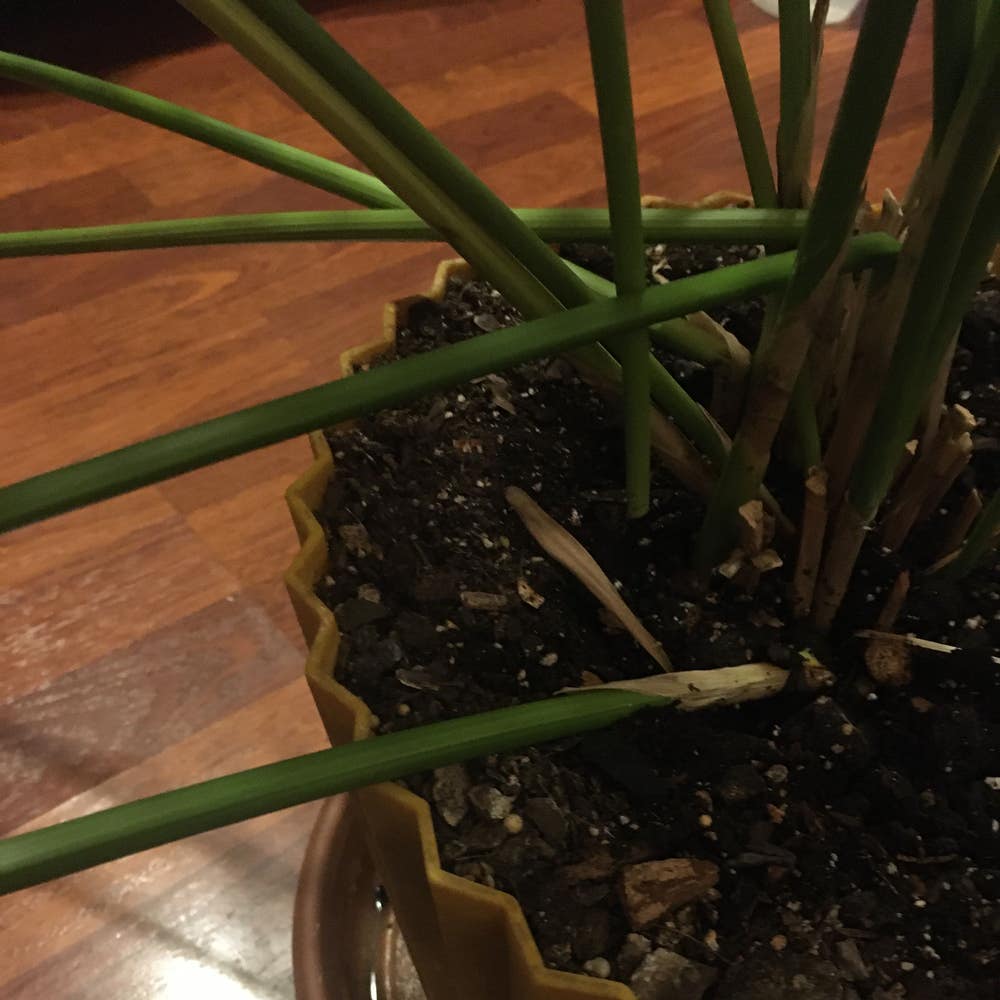
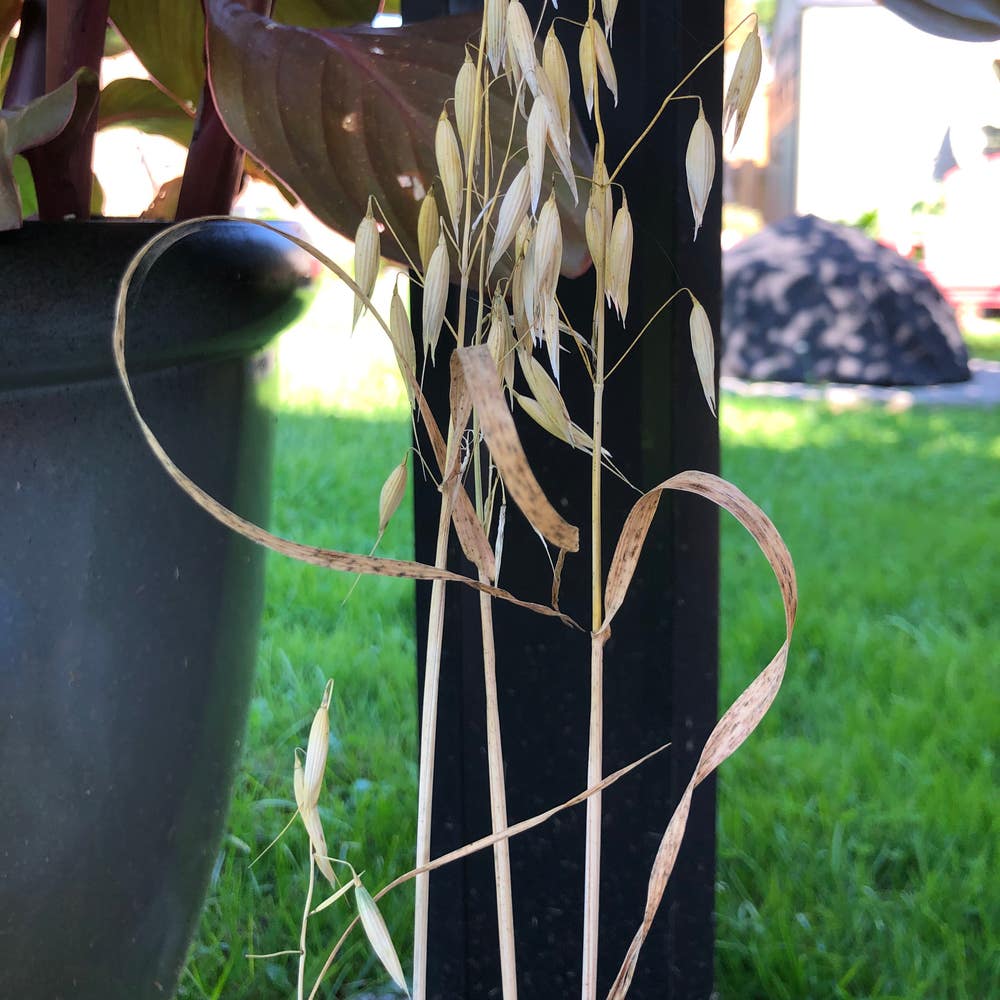
📏 How Big Your Purple Nutsedge Can Get
Cyperus rotundus
By the Greg Editorial Team
Jan 07, 2025•6 min read
This article was created with the help of AI so we can cover more plants for you. May contain errors. See one? Report it here.
Control Purple Nutsedge 🌱 to safeguard your garden and enhance local biodiversity in your landscape!
- 🌱 Purple Nutsedge grows 2-3 feet tall in optimal soil and moisture conditions.
- ⚠️ It spreads rapidly, disrupting ecosystems and outcompeting native plants.
- 🌞 Full sun and warm temperatures boost growth, reaching maturity in 6-12 weeks.
Mature Height and Spread
Height 🌱
Purple Nutsedge typically reaches a height of 2 to 3 feet. However, several factors can influence this height variability.
Soil quality and nutrient availability play a significant role in determining how tall these plants can grow. Additionally, water levels and moisture retention are crucial; adequate moisture can lead to more robust growth.
Spread 🌿
This plant has a growth habit that allows it to form dense clumps. If left uncontrolled, Purple Nutsedge can spread rapidly and cover large areas.
The implications for landscaping are significant. Its aggressive spread can disrupt the ecological balance, outcompeting native plants and altering local habitats.
Understanding these characteristics is essential for anyone looking to manage or cultivate Purple Nutsedge effectively.
Growth Rate and Time to Full Size
🌱 Growth Rate
Purple Nutsedge is known for its rapid growth characteristics, making it a formidable presence in gardens and landscapes. Under optimal conditions, this plant can reach its mature height in just 6 to 12 weeks.
⏳ Time to Full Size
Several factors influence the time it takes for Purple Nutsedge to reach full size. Seasonal variations and climate play significant roles, as do soil and water conditions, which can either accelerate or hinder growth.
🌦️ Seasonal Variations
Different seasons can dramatically affect growth rates. Warmer temperatures in spring and summer typically promote faster growth, while cooler fall and winter months slow it down.
🌍 Soil and Water Conditions
The quality of soil and moisture levels are crucial for optimal growth. Well-drained, nutrient-rich soil paired with adequate moisture can lead to quicker maturation, while drought or overly saturated conditions can delay it.
Understanding these growth dynamics is essential for managing Purple Nutsedge effectively. By recognizing how environmental factors influence its growth, you can better control its spread and maintain a healthy landscape.
Next, we will explore how size variability is influenced by environmental conditions.
Size Variability Based on Environmental Conditions
🌍 Environmental Impact on Size
The size of Purple Nutsedge is heavily influenced by soil type and moisture levels. Ideally, it thrives in well-drained, nutrient-rich soils that retain moisture without becoming waterlogged.
Drought conditions can stunt its growth, leading to smaller plants, while excessive water can cause root rot, also limiting size. Understanding these factors is crucial for anyone looking to cultivate or manage this plant effectively.
☀️ Sunlight Exposure and Temperature
Sunlight plays a vital role in the growth of Purple Nutsedge. It requires full sun for optimal growth, typically thriving in areas that receive at least six hours of direct sunlight daily.
Temperature is another key factor. This plant prefers warm conditions, flourishing best in temperatures between 70°F and 90°F. Cooler temperatures or excessive shade can hinder its growth, resulting in smaller plants.
🌱 Competition with Other Plants
The presence of neighboring vegetation can significantly affect the growth of Purple Nutsedge. Competing plants can limit access to essential resources like sunlight, water, and nutrients, ultimately stunting its size.
To enhance the size of Purple Nutsedge, consider strategies to manage competition. Techniques such as selective weeding and creating space around the plants can help ensure they receive the resources they need to thrive.
With the right environmental conditions and management practices, you can maximize the growth potential of Purple Nutsedge, allowing it to flourish in your landscape.
Varieties
Dwarf Varieties 🌱
Dwarf Purple Nutsedge is a compact version of its larger counterpart, typically reaching heights of just 1 to 2 feet. This smaller size makes it an attractive option for gardeners looking to manage space while still enjoying the unique aesthetic of this plant.
Ideal growing conditions for dwarf cultivars include well-drained soil and moderate moisture levels. These varieties thrive in sunny spots, making them perfect for flower beds or borders where they can add texture without overwhelming other plants.
Giant Varieties 🌳
On the other end of the spectrum, giant Purple Nutsedge can tower over its dwarf relatives, often exceeding 3 feet in height. These robust plants can spread significantly, creating dense clumps that can dominate garden spaces if left unchecked.
Giant varieties flourish in rich, moist soils and are particularly fond of warm temperatures. They tend to thrive in wetland areas, where their size and growth habits can significantly impact the surrounding ecosystem.
Understanding these varieties helps gardeners make informed choices about which type of Purple Nutsedge to cultivate, depending on their specific landscape needs and environmental conditions.
Controlling Size
✂️ Pruning Techniques for Size Management
Managing the size of Purple Nutsedge is essential for maintaining a healthy landscape. Pruning is a straightforward method to control both height and spread.
Timing is crucial; prune during the growing season when the plant is actively growing. This encourages new growth and helps maintain a manageable size.
Frequency matters too. Regular trimming every few weeks can prevent the plant from becoming too unruly.
For effective pruning, use sharp shears or garden scissors. Clean cuts promote faster healing and reduce the risk of disease.
🌱 Other Methods to Control Growth
In addition to pruning, cultural practices can significantly limit the spread of Purple Nutsedge.
Mulching is an excellent option; it suppresses weeds and retains soil moisture. Consider using organic materials like wood chips or straw for added benefits.
Ground covers can also help. Planting dense, low-growing species can outcompete Purple Nutsedge for resources.
Using barriers is another effective strategy. Installing physical barriers, such as landscape fabric or edging, can restrict root expansion and keep the plant in check.
Chemical control options are available but should be approached with caution. Herbicides can effectively manage growth, but they may also impact surrounding flora and fauna. Always follow application guidelines to minimize ecological disruption.
By combining these methods, you can effectively manage the size of Purple Nutsedge while maintaining a balanced ecosystem.
Next, we’ll explore the ecological impact of this plant and its role as an invasive species.
Ecological Impact
🌱 Role in Ecosystems as an Invasive Species
Purple Nutsedge is notorious for being an invasive species. Its rapid growth and aggressive spread can outcompete native plants, disrupting local ecosystems.
This competition can lead to a decline in biodiversity, as native flora struggle to thrive. The presence of Purple Nutsedge can alter the balance of an ecosystem, affecting not just plants but also the animals that rely on them.
🦋 Effects on Local Flora and Fauna
The size and growth habits of Purple Nutsedge significantly influence local ecosystems. Its dense clumps can create monocultures, which may limit habitat diversity.
However, in wetland environments, Purple Nutsedge can offer some benefits. It provides cover and food for certain wildlife, but its invasive nature often outweighs these positives, leading to ecological challenges.
Understanding the dual nature of Purple Nutsedge is crucial for managing its impact effectively. As we explore further, we’ll look into strategies for controlling its size and spread.
⚠️ Safety First
This content is for general information and may contain errors, omissions, or outdated details. It is not medical, veterinary advice, or an endorsement of therapeutic claims.
Always consult a qualified healthcare professional before using any plant as food, medicine, or supplement.
Never eat any plant (or feed one to pets) without confirming its identity with at least two trusted sources.
If you suspect poisoning, call Poison Control (800) 222-1222, the Pet Poison Helpline (800) 213-6680, or your local emergency service immediately.
Spotted an error? Please report it here.
Master the art of managing Purple Nutsedge 🌱 with Greg's tailored care tips that help your garden flourish while tackling this invasive plant!