🐛 What's Eating Your Nutgrass
Cyperus rotundus
By the Greg Editorial Team
Nov 07, 2024•6 min read
This article was created with the help of AI so we can cover more plants for you. May contain errors. See one? Report it here.
Uncover Nutgrass's allure to wildlife and master effective strategies to protect your garden! 🌿🦌
- 🌱 Nutgrass features a triangular stem and can grow up to 1 meter tall.
- 🐾 Herbivores like deer and rabbits impact Nutgrass health but also aerate the soil.
- 🚫 Protect Nutgrass with companion plants and barriers to deter herbivores effectively.
Nutgrass Appearance and Appeal to Animals
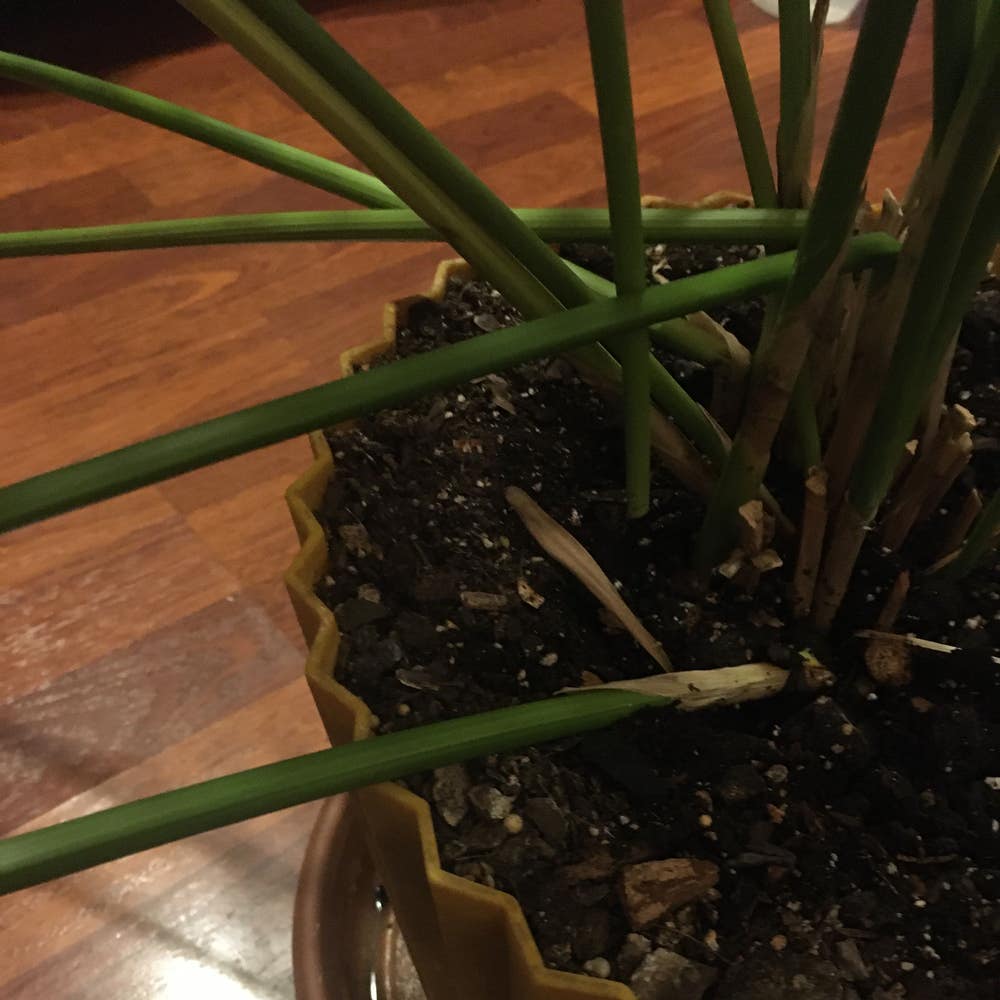
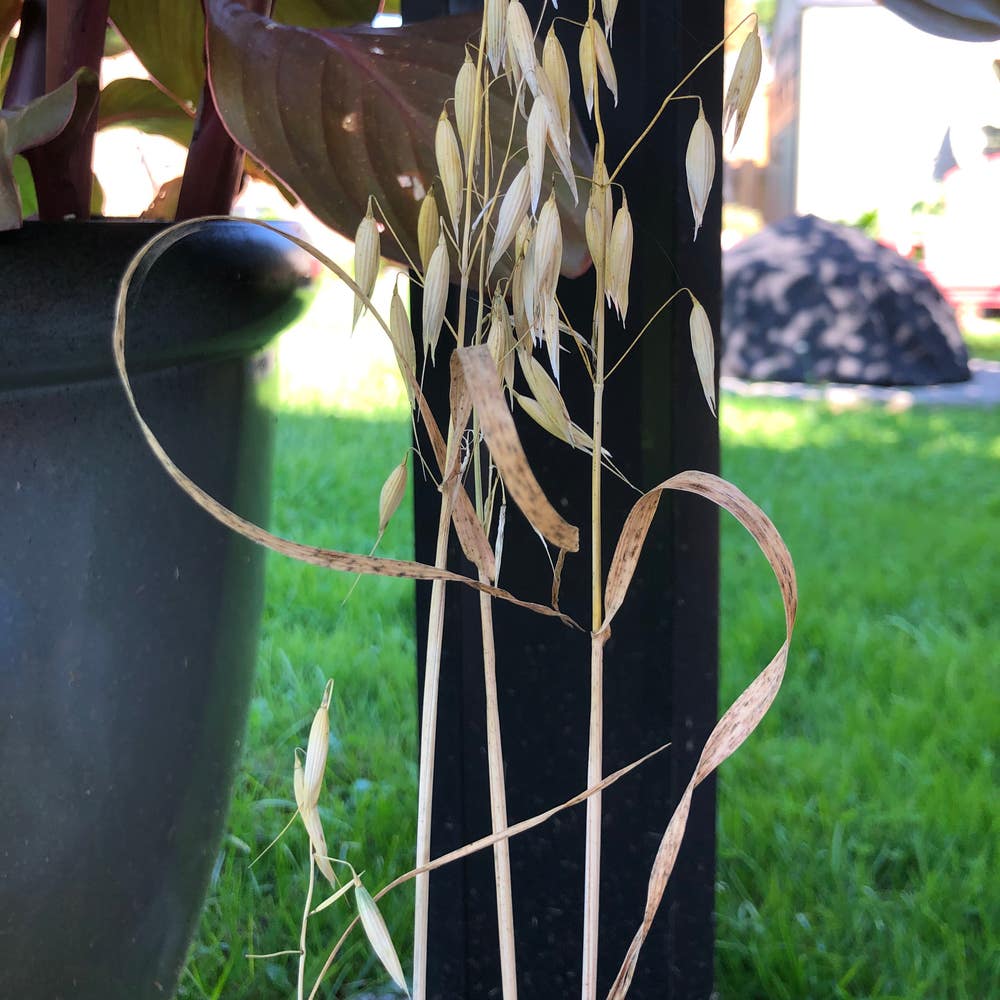
Nutgrass is a perennial plant that stands out with its distinctive triangular stem. Its grass-like leaves can reach impressive heights of up to 1 meter, creating a lush green presence in gardens and fields.
🌟 Unique Features of Nutgrass
One of the most intriguing aspects of Nutgrass is its ability to produce small, nut-like tubers underground. These tubers not only serve as a means of reproduction but also contribute to the plant's appeal to various herbivores.
🐾 Parts of Nutgrass Attractive to Animals
Several parts of Nutgrass attract animals, making it a focal point in many ecosystems.
Young Shoots
The young shoots are particularly tender and nutrient-rich, drawing in herbivores looking for a nutritious snack.
Flowers
Nutgrass flowers are not just beautiful; they also attract pollinators and herbivores alike, playing a crucial role in the local food web.
Tubers
The underground tubers are high in carbohydrates, making them an appealing food source for a variety of herbivores. This combination of features ensures that Nutgrass remains a popular choice among local wildlife.
In summary, Nutgrass's unique appearance and nutrient-rich components make it a magnet for various animals. Understanding these characteristics can help in managing its interactions with herbivores effectively. Next, we’ll explore the common herbivores that affect Nutgrass and their impact on its growth.
Common Herbivores Affecting Nutgrass
🦌 Deer
Signs of presence and damage caused
Deer are often the first culprits when it comes to Nutgrass damage. Look for hoof prints in muddy areas and notice how leaves and young shoots are stripped off, leaving behind a telltale sign of their browsing.
Beneficial vs. harmful interactions
While deer can decimate Nutgrass populations, their presence might also help control other invasive plants. This duality makes their impact complex; they can be both a threat and a potential ally in maintaining ecological balance.
Deterrent methods
To keep deer at bay, consider using commercial deer repellents. Alternatively, erecting 8-foot tall fences or planting deer-resistant plants nearby can effectively deter these large herbivores.
🐇 Rabbits
Signs of presence and damage caused
Rabbits leave small, round droppings near Nutgrass and can be identified by their cleanly cut stems and leaves at ground level. Their nibbling can quickly reduce the health of your plants.
Beneficial vs. harmful interactions
Rabbits are generally harmful to Nutgrass, significantly impacting its vitality. However, their burrowing can aerate the soil, providing some limited benefits.
Deterrent methods
To deter rabbits, use bitter-tasting sprays as chemical deterrents. For a more organic approach, netting or wire mesh around plants can effectively keep these furry munchers away.
🐿️ Squirrels
Signs of presence and damage caused
Squirrels are notorious for digging around Nutgrass tubers, leaving disturbed soil in their wake. They also chew on young shoots and flowers, which can stunt growth.
Beneficial vs. harmful interactions
Generally, squirrels are harmful as they can hinder the growth and spread of Nutgrass. Yet, they may inadvertently help by dispersing seeds of other plants.
Deterrent methods
Chemical squirrel repellents can help manage their presence. Additionally, employing scare tactics like reflective tape or noise makers can keep them from feasting on your Nutgrass.
🐦 Birds
Signs of presence and damage caused
Birds may leave pecking holes in leaves and flowers, and they often use Nutgrass for nesting material. Their activity can be both beneficial and detrimental.
Beneficial vs. harmful interactions
Birds generally play a beneficial role by aiding in pollination and seed dispersal. However, in large numbers, they can cause significant leaf damage.
Deterrent methods
To protect your Nutgrass from birds, consider using bird-safe repellents. Organic methods like bird netting or reflective objects can also deter feeding.
🐭 Rodents (mice, voles, etc.)
Signs of presence and damage caused
Rodents create burrows near Nutgrass roots and can cause damage by chewing on tubers and young shoots. Their activity can be quite destructive.
Beneficial vs. harmful interactions
Rodents are generally harmful, severely impacting plant health. However, their tunneling can aerate the soil and contribute to nutrient cycling.
Deterrent methods
Using rodent bait stations can help manage their populations. For a more organic approach, traps and natural repellents like peppermint oil can be effective.
🦡 Groundhogs/Woodchucks
Signs of presence and damage caused
Groundhogs leave large burrows near Nutgrass patches and can cause significant browsing damage to stems and leaves. Their presence is often hard to miss.
Beneficial vs. harmful interactions
These animals are generally harmful, capable of devastating Nutgrass populations. Yet, they do provide some benefits through soil aeration and nutrient cycling.
Deterrent methods
To deter groundhogs, consider using commercial repellents. For a more challenging approach, fencing buried at least 12 inches deep and habitat modification can help keep them away.
Understanding the various herbivores that affect Nutgrass is crucial for effective management. By employing the right deterrent methods, you can protect your plants and maintain a healthy ecosystem. Next, we’ll explore general strategies for protecting Nutgrass from these herbivores.
General Strategies for Protecting Nutgrass
🛡️ Preventive Measures for Herbivore Damage
To safeguard your Nutgrass, consider planting companion plants that deter herbivores. These plants can create a natural barrier, making your Nutgrass less appealing to hungry critters.
Regular monitoring is also crucial. Keep an eye out for signs of animal activity, such as tracks or nibbling, so you can act quickly before damage escalates.
⚠️ Reactive Solutions for Managing Animal Interactions
If you notice damage, promptly remove the affected parts of the Nutgrass. This encourages regrowth and helps maintain the plant's health.
In addition, using barriers and traps can effectively manage animal populations. Fencing or netting can protect your plants from persistent herbivores.
🌱 Seasonal Variations in Animal Attraction to Nutgrass
Be aware that herbivore activity tends to spike in spring and early summer. During these seasons, animals are more likely to seek out Nutgrass as a food source.
Monitoring changes in animal behavior with the seasons can provide valuable insights. Adjust your protective strategies accordingly to keep your Nutgrass thriving throughout the year.
By implementing these strategies, you can create a thriving environment for your Nutgrass while minimizing the impact of herbivores. Next, we’ll explore the toxicity and safety of Nutgrass, shedding light on its effects on animals and garden health.
Toxicity and Safety
Overview of Potential Mild Toxicity to Certain Herbivores 🐾
Nutgrass, while often seen as a nuisance, can pose mild toxicity risks to some herbivores. This toxicity is generally not severe but can lead to digestive issues if consumed in large quantities.
Implications for Animal Interactions and Garden Health 🐇
Understanding the potential toxicity of Nutgrass is crucial for managing animal interactions. Herbivores may avoid it if they associate it with discomfort, which can inadvertently protect your garden from overgrazing.
Importance of Understanding Plant Toxicity in Managing Herbivore Populations 🌱
Recognizing the toxic effects of Nutgrass can inform your approach to herbivore management. By knowing which animals are affected, you can tailor your strategies to encourage beneficial species while deterring those that may harm your plants.
In summary, while Nutgrass has its drawbacks, its mild toxicity can play a role in maintaining a balanced ecosystem in your garden. This knowledge empowers you to create a thriving environment for both plants and wildlife.
⚠️ Safety First
This content is for general information and may contain errors, omissions, or outdated details. It is not medical, veterinary advice, or an endorsement of therapeutic claims.
Always consult a qualified healthcare professional before using any plant as food, medicine, or supplement.
Never eat any plant (or feed one to pets) without confirming its identity with at least two trusted sources.
If you suspect poisoning, call Poison Control (800) 222-1222, the Pet Poison Helpline (800) 213-6680, or your local emergency service immediately.
Spotted an error? Please report it here.
Protect your Nutgrass and nurture its growth 🌿 with Greg's tailored care strategies that help you manage herbivore interactions effectively!