Nutgrass Is Not an Annual
Cyperus rotundus
By the Greg Editorial Team
Nov 07, 2024•4 min read
This article was created with the help of AI so we can cover more plants for you. May contain errors. See one? Report it here.
Unlock your garden's potential with Nutgrass 🌿, a resilient perennial that thrives year after year!
- 🌱 Nutgrass is a perennial, thriving year after year with extensive underground tubers.
- 🌾 It spreads rapidly through seeds and vegetative propagation, outpacing annual plants.
- 🌍 Misunderstandings arise from its adaptability to poor conditions, not its lifecycle.
Nutgrass as a Perennial
🌱 Genetic Characteristics
Nutgrass, scientifically known as Cyperus rotundus, is a fascinating perennial plant. Its genetic adaptations include an extensive underground tuber system, which allows it to store nutrients and survive adverse conditions.
This resilience enables Nutgrass to thrive even in drought and poor soil, making it a robust contender in various landscapes.
🌿 Physiological Traits
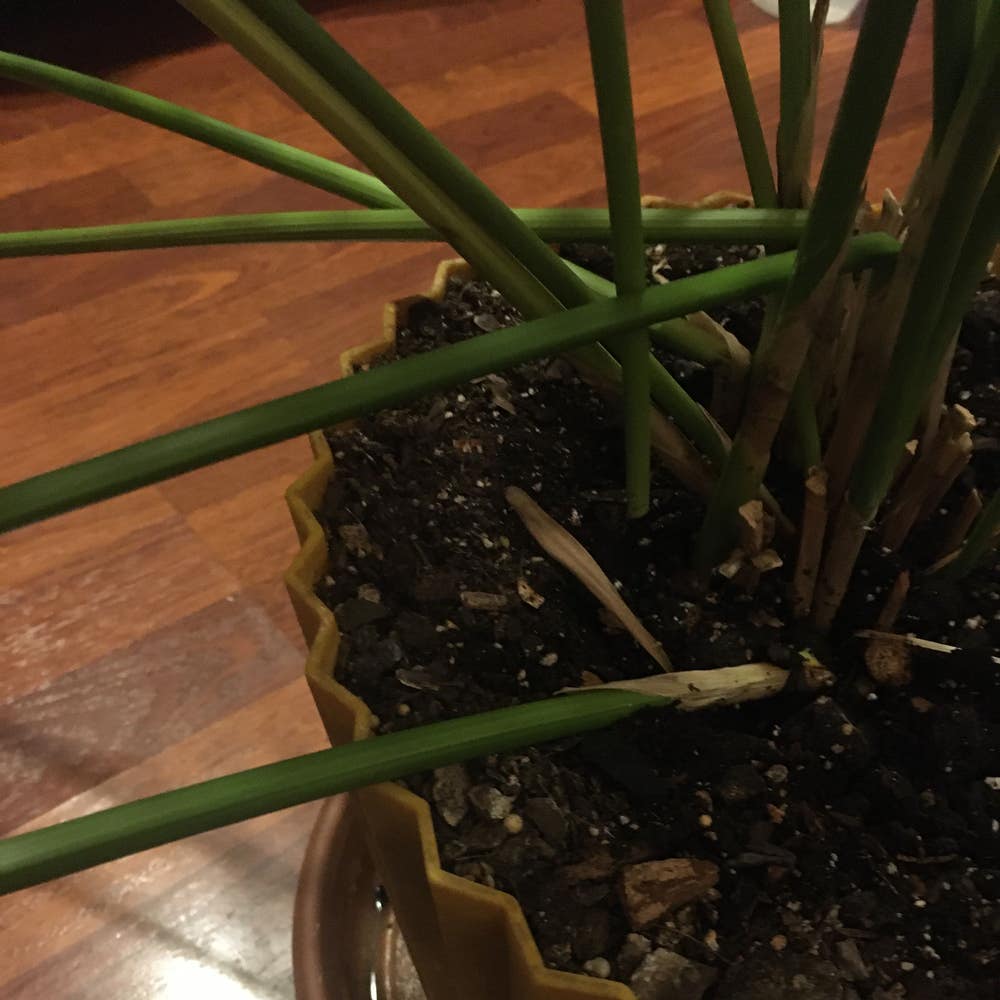
Nutgrass exhibits a clumping growth habit, characterized by upright stems and narrow leaves. This structure not only contributes to its aesthetic appeal but also enhances its ability to capture sunlight efficiently.
The plant can enter a dormant state during unfavorable conditions, allowing it to conserve energy and resources until the environment improves.
🌼 Lifecycle and Growth Patterns
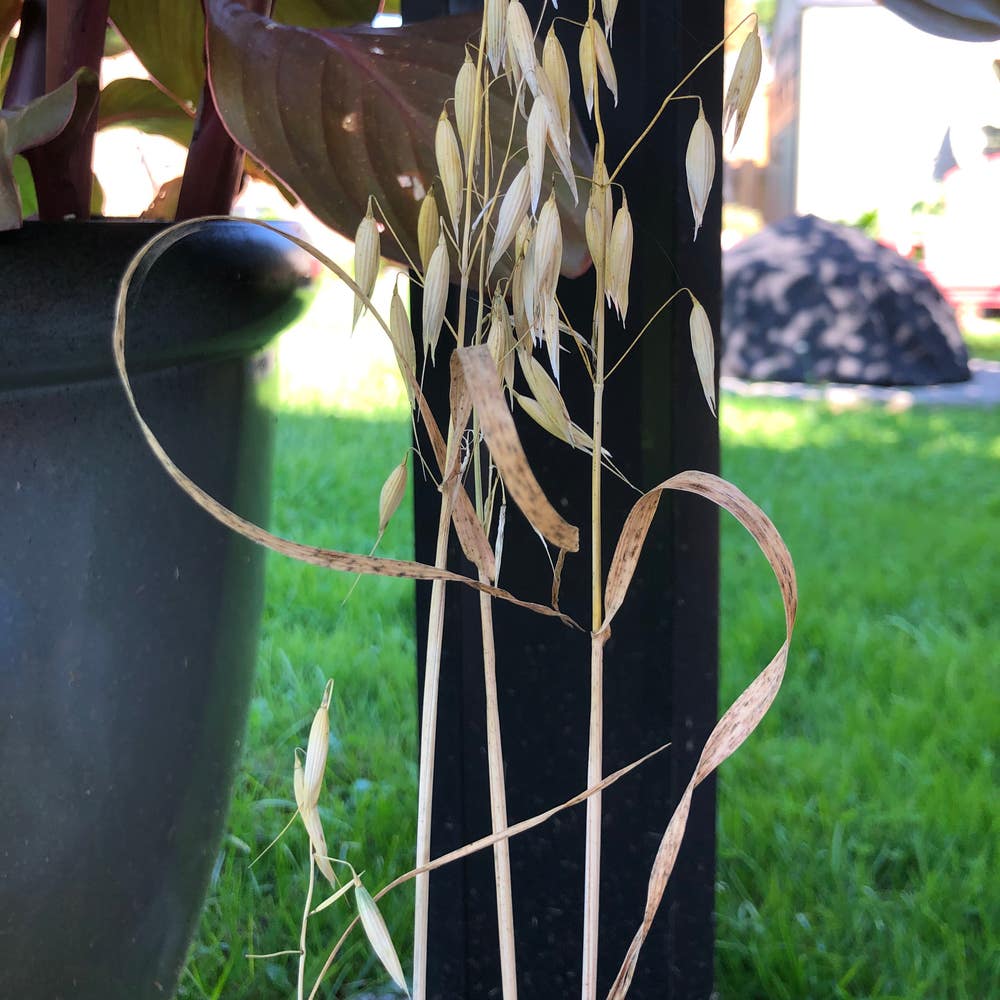
The lifecycle of Nutgrass can span several years, during which it continuously grows and reproduces. It typically emerges in spring, flowers in summer, and can remain green well into the fall.
Nutgrass spreads rapidly through both seed production and vegetative propagation, making it a prolific plant in many gardens.
📊 Comparative Analysis with Annuals
Unlike annual plants, which complete their lifecycle in a single season, Nutgrass has a much longer lifecycle. This perennial nature allows it to produce seeds multiple times throughout the growing season while also utilizing its tubers for quick expansion.
This dual reproductive strategy gives Nutgrass a significant advantage over annuals in terms of survival and spread.
🌍 Regional Variations and Misconceptions
In certain conditions, Nutgrass may be mistaken for an annual, especially in poor soil or during extreme weather events that limit its growth. These factors can lead to misunderstandings about its true perennial nature.
Additionally, regional variations and local gardening practices can further complicate perceptions of Nutgrass, highlighting the importance of understanding its adaptability in different environments.
As we delve deeper into the implications of Nutgrass's perennial nature in garden design, it's essential to consider how to best utilize this resilient plant for long-term beauty and sustainability.
Garden Design Implications
🌱 Utilizing Nutgrass's Perennial Nature
Incorporating Nutgrass into your garden design can yield long-term benefits. Its perennial nature allows it to thrive year after year, adding sustained growth and interest to your perennial beds.
Companion planting with Nutgrass can create a vibrant ecosystem. Pairing it with other perennials not only enhances biodiversity but also supports the overall health of your garden.
🌿 Strategies for Incorporating Nutgrass
When designing your landscape, consider using Nutgrass as a ground cover. Its clumping growth habit can effectively suppress weeds while providing a lush, green carpet.
Highlighting Nutgrass's unique foliage and flowering characteristics can elevate your garden's aesthetic. Use it as an accent plant to draw attention and create visual interest in your layouts.
By thoughtfully integrating Nutgrass into your garden, you can enjoy its beauty and resilience for years to come. This approach not only enhances your space but also fosters a deeper connection with nature.
Management Tips
Best Practices for Managing Nutgrass 🌱
Regular monitoring is essential when dealing with Nutgrass. Keep an eye on its growth patterns and spread to maintain the desired aesthetics in your garden.
Control measures can help manage its spread without completely eradicating it. Consider methods like targeted mowing or mulching to keep Nutgrass in check while allowing it to thrive in designated areas.
Maximizing Longevity and Health 🌿
Soil health plays a crucial role in the success of Nutgrass. Ensure your soil is nutrient-rich and well-draining to support robust growth.
Watering practices are equally important. Provide consistent moisture without waterlogging to promote healthy tuber development, allowing Nutgrass to flourish while maintaining garden balance.
By implementing these management tips, you can enjoy the benefits of Nutgrass while keeping your garden looking its best. Next, we’ll explore how to incorporate Nutgrass into your garden design effectively.
⚠️ Safety First
This content is for general information and may contain errors, omissions, or outdated details. It is not medical, veterinary advice, or an endorsement of therapeutic claims.
Always consult a qualified healthcare professional before using any plant as food, medicine, or supplement.
Never eat any plant (or feed one to pets) without confirming its identity with at least two trusted sources.
If you suspect poisoning, call Poison Control (800) 222-1222, the Pet Poison Helpline (800) 213-6680, or your local emergency service immediately.
Spotted an error? Please report it here.
Embrace the perennial power of Nutgrass 🌿 in your garden, and let Greg guide you with tailored care tips to ensure it thrives beautifully season after season!