Why Your Purple Nutsedge Leaves Are Falling Over 🍂
Cyperus rotundus
By the Greg Editorial Team
Jan 07, 2025•5 min read
This article was created with the help of AI so we can cover more plants for you. May contain errors. See one? Report it here.
Revive drooping purple nutsedge leaves 🌱 by mastering essential care techniques for a thriving garden!
- 🌡️💧 High temperatures and drought cause purple nutsedge leaves to droop.
- 🌱 Nutrient deficiencies in nitrogen and potassium lead to yellowing and drooping leaves.
- 🐛 Pests like aphids and diseases can damage leaves, causing them to fall over.
Causes of Leaf Droop
🌡️ Environmental Stress Factors
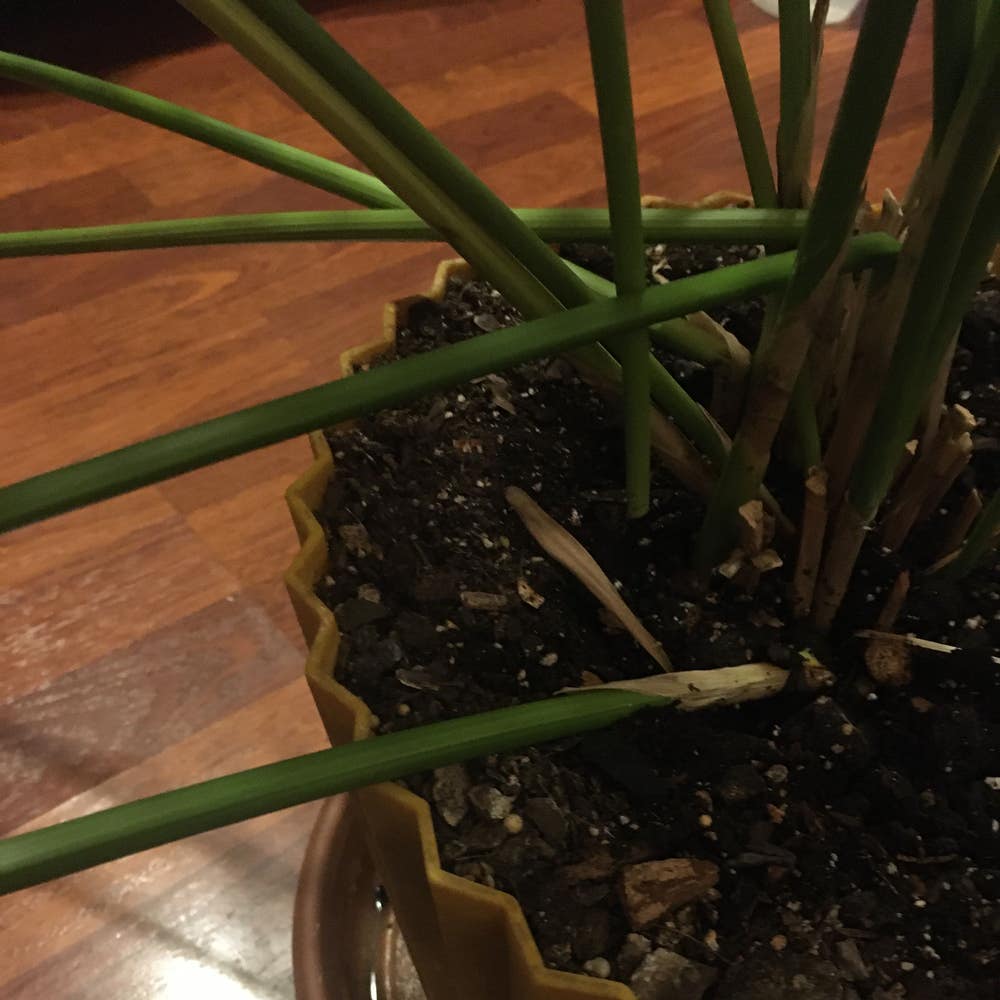
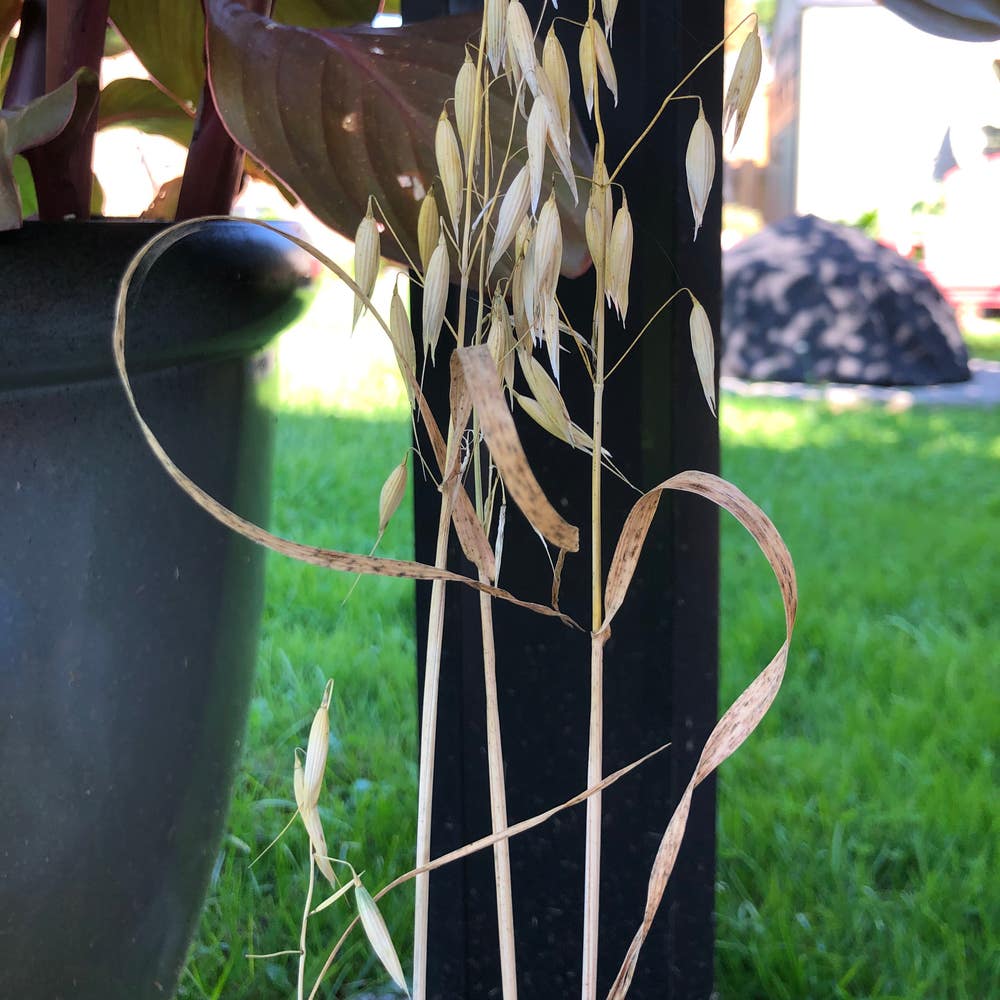
Environmental stress is a primary culprit behind drooping purple nutsedge leaves. High temperatures can lead to heat stress, causing leaves to wilt and lose their turgor.
Drought conditions also play a significant role. Signs of moisture deficiency include curling leaves and a dry, cracked soil surface. Conversely, flooding can create excess water, leading to root suffocation and subsequent leaf droop.
🥦 Nutrient Deficiencies
Nutrient deficiencies can severely affect leaf health. A lack of nitrogen often results in yellowing leaves and stunted growth, signaling that your plant is not getting the nutrients it needs.
Potassium deficiency is another concern, manifesting as leaf edge burn and drooping. Both deficiencies can compromise the overall vitality of your purple nutsedge.
🐛 Pest Infestations
Pest infestations can wreak havoc on leaf health. Aphids are common pests that suck sap from leaves, leading to curling and yellowing.
Root weevils pose another threat, causing damage to the roots and resulting in drooping leaves. Identifying these pests early is crucial for effective management.
🍄 Fungal Diseases
Fungal diseases can also contribute to leaf droop. Root rot, often caused by overwatering, leads to dark, mushy roots and wilting leaves.
Leaf spot diseases can cause unsightly spots on leaves, affecting their ability to photosynthesize and leading to overall decline. Recognizing these symptoms early can help mitigate damage and restore plant health.
Diagnosing Leaf Issues
🌱 Identifying Symptoms of Drooping Leaves
Drooping leaves can signal various issues, so it's essential to recognize the visual signs. Look for color changes, wilting, and an overall unhealthy appearance to determine the underlying cause.
Understanding whether the droop is due to environmental stress or pests and diseases is crucial. Environmental stress often presents as general wilting, while pests may leave specific damage patterns on the leaves.
💧 Assessing Soil Conditions and Moisture Levels
Soil moisture plays a vital role in plant health. Maintaining consistent soil moisture is key to preventing drooping leaves.
To check soil moisture, consider using simple techniques like the finger test or a moisture meter. These methods help you gauge whether your purple nutsedge is getting the right amount of water.
🐛 Checking for Pests and Diseases
Inspecting for pests is an essential step in diagnosing leaf issues. Conduct a visual inspection by looking closely at the leaves and stems for any signs of infestation.
Additionally, examining the soil can reveal root damage or fungal growth. This thorough approach ensures you catch any potential problems early, allowing for timely intervention.
With these diagnostic steps, you can effectively identify the causes of drooping leaves and take action to restore your plants' health. Next, let's explore treatment and alleviation strategies to help your purple nutsedge thrive.
Treatment and Alleviation
🌊 Adjusting Watering Practices
Proper drainage is crucial for preventing waterlogging, which can suffocate roots and lead to leaf droop. Ensure that your soil has good drainage by using raised beds or amending it with organic matter.
To maintain optimal soil moisture, aim to water deeply but infrequently. This encourages roots to grow deeper and become more resilient to stress.
🌱 Fertilization Strategies
When it comes to fertilizers, both organic and synthetic options have their pros and cons. Organic fertilizers improve soil health over time, while synthetic fertilizers provide quick nutrient boosts.
For best results, consider a balanced nutrient ratio, such as 10-10-10 (N-P-K), to support overall plant health. Adjust your fertilization strategy based on the specific needs of your purple nutsedge.
🐞 Pest Control Methods
Insecticidal soap is an effective way to manage pests like aphids. Apply it directly to affected areas, ensuring thorough coverage for maximum effectiveness.
Neem oil is another powerful tool in your pest management arsenal. It disrupts the life cycle of pests and can be used as a preventive measure as well.
🍄 Fungal Disease Management
Fungicides can be a necessary part of managing fungal diseases. Choose the right type based on the specific disease affecting your plants and follow application instructions carefully.
In addition to chemical treatments, cultural practices like crop rotation and proper spacing can significantly reduce the risk of fungal infections. These methods promote air circulation and healthy soil, creating an environment less conducive to disease.
By implementing these treatment and alleviation strategies, you can help your purple nutsedge thrive and prevent future issues. Next, let’s explore preventive measures to keep your plants healthy year-round.
Preventive Measures
Best Practices for Soil Health 🌱
Maintaining healthy soil is crucial for preventing purple nutsedge leaf droop. One effective method is to incorporate soil amendments like compost and organic matter, which enhance soil structure and nutrient availability.
Regular soil testing is also essential. This practice helps determine nutrient levels and pH, ensuring your plants receive the right balance for optimal growth.
Regular Monitoring for Pests and Diseases 🐛
Routine inspections of your plants can catch potential issues before they escalate. Aim to check your garden weekly, looking for any signs of pests or diseases that could affect leaf health.
Keeping a garden journal is a great way to track changes and interventions. Documenting your observations helps you identify patterns and make informed decisions about your plant care.
Seasonal Care Tips 🌦️
Adjusting your care practices according to the seasons can significantly impact plant health. For instance, during hotter months, ensure your watering schedule accommodates increased evaporation rates.
Additionally, prepare for potential stressors like drought or pest outbreaks. Being proactive can save your plants from unnecessary stress and keep them thriving throughout the year.
By implementing these preventive measures, you can create a robust environment for your purple nutsedge, minimizing the risk of leaf droop and promoting overall health. Next, let’s explore how to diagnose leaf issues effectively.
⚠️ Safety First
This content is for general information and may contain errors, omissions, or outdated details. It is not medical, veterinary advice, or an endorsement of therapeutic claims.
Always consult a qualified healthcare professional before using any plant as food, medicine, or supplement.
Never eat any plant (or feed one to pets) without confirming its identity with at least two trusted sources.
If you suspect poisoning, call Poison Control (800) 222-1222, the Pet Poison Helpline (800) 213-6680, or your local emergency service immediately.
Spotted an error? Please report it here.
Keep your purple nutsedge thriving 🌱 by using Greg's tailored care tips and reminders to tackle environmental stress, nutrient needs, and pest control effectively!