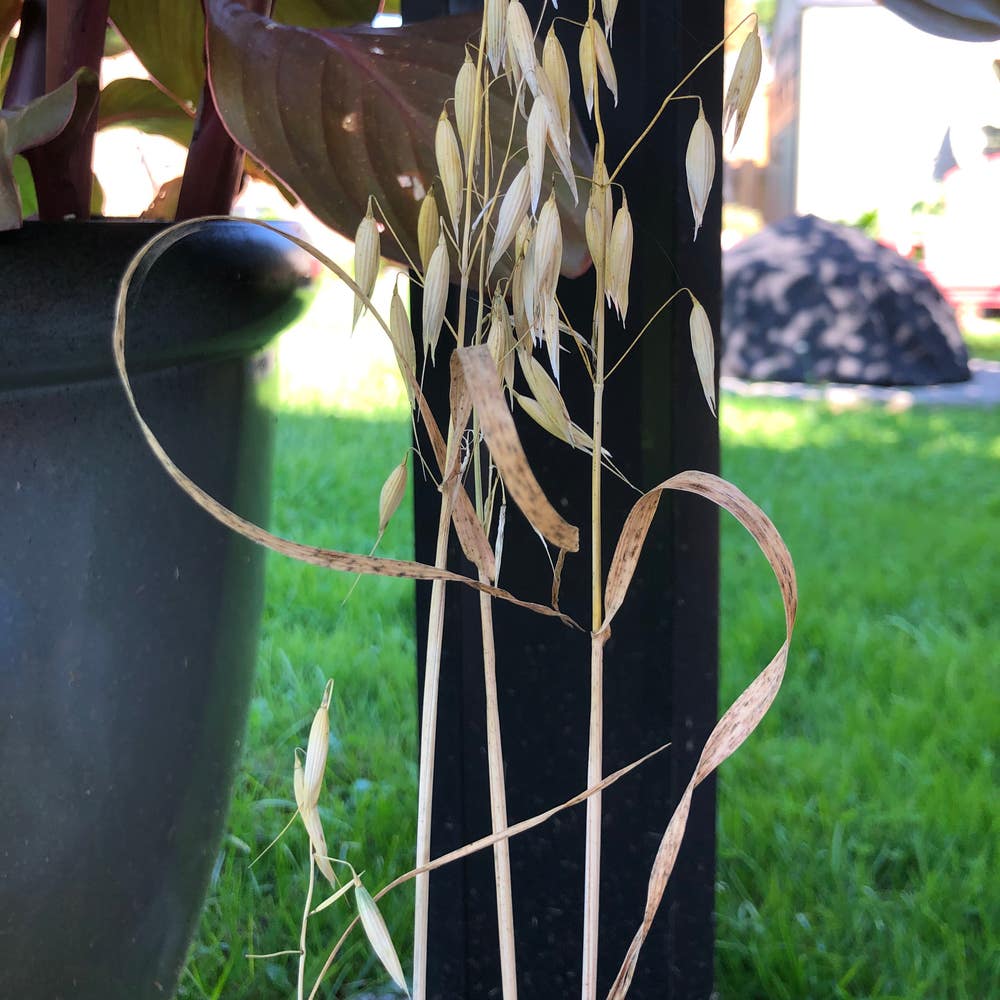
🥜 Nutgrass: A Perennial Plant
Cyperus rotundus
By the Greg Editorial Team
Nov 07, 2024•6 min read
This article was created with the help of AI so we can cover more plants for you. May contain errors. See one? Report it here.
Unlock a resilient garden with Nutgrass's perennial power, saving time and effort every season! 🌱
- 🌱 Nutgrass is a perennial, thriving year after year without replanting.
- 🌿 Its robust root system aids survival, distinguishing it from annual plants.
- 🌞 Nutgrass grows actively in spring and summer, then enters dormancy in fall.
Classification of Nutgrass as a Perennial
🌱 Nutgrass's Classification
Nutgrass, scientifically known as Cyperus rotundus, is classified as a perennial plant. This means it has a multi-year lifecycle, allowing it to thrive year after year without needing to be replanted.
One of the defining features of nutgrass is its ability to survive and regrow from its roots each year. Unlike annual plants, which complete their life cycle in one season, or biennial plants that take two years, nutgrass establishes a robust root system that supports its longevity and resilience.
This classification not only highlights its hardiness but also its adaptability to various environments, making it a fascinating subject for gardeners and botanists alike. Understanding its perennial nature can help in managing its growth effectively in different settings.
Key Characteristics of Nutgrass
🌱 Multi-Year Lifecycle
Nutgrass, scientifically known as Cyperus rotundus, boasts a fascinating multi-year lifecycle. It begins with germination, where seeds sprout and initiate growth.
Following germination, the plant enters a vegetative growth stage, developing leaves and stems that contribute to its overall vigor. As it matures, Nutgrass establishes a robust root system, which is crucial for its survival and regrowth each year.
🌿 Growth Patterns and Regrowth from Roots
One of the remarkable features of Nutgrass is its extensive root system. This network not only supports perennial growth but also enables the plant to thrive in various conditions.
Additionally, Nutgrass develops rhizomes, which play a vital role in nutrient storage and propagation. These underground stems allow the plant to regenerate and spread, ensuring its persistence in the landscape.
📅 Seasonal Growth Patterns
Nutgrass exhibits distinct seasonal growth patterns. During the active growth phase, typically in warmer months, the plant flourishes under optimal conditions, soaking up sunlight and moisture.
Conversely, it enters a dormancy phase when environmental conditions become less favorable. Triggers for dormancy include cooler temperatures and reduced water availability, prompting the plant to conserve energy and resources.
Understanding these key characteristics of Nutgrass helps gardeners appreciate its resilience and adaptability. This knowledge sets the stage for exploring its growth and lifespan implications in the next section.
Growth and Lifespan Implications
🌼 Effects of Perennial Nature on Growth and Flowering
Nutgrass, or Cyperus rotundus, exhibits distinct flowering cycles influenced by seasonal changes. Typically, flowering occurs in response to warmer temperatures, allowing for effective pollination and seed production.
Growth habits vary significantly across seasons. During spring and summer, Nutgrass experiences rapid growth, while its development slows in fall and winter, preparing for dormancy.
⏳ Expected Lifespan of Nutgrass
Under optimal conditions, Nutgrass has an average lifespan of 3 to 5 years. Factors such as soil quality and watering practices play crucial roles in determining its longevity.
Soil quality impacts nutrient availability and drainage, both vital for healthy root systems. Consistent watering practices also ensure that roots remain robust and capable of supporting the plant's perennial nature.
🌍 Factors Influencing Longevity
Environmental factors significantly affect Nutgrass's lifespan. Temperature and humidity preferences dictate its growth patterns, while soil type and pH levels can either promote or hinder its development.
Pest and disease resistance is another critical aspect. Common threats, such as certain insects and fungal diseases, can negatively impact Nutgrass, reducing its lifespan and overall health.
Understanding these factors can help gardeners cultivate Nutgrass effectively, ensuring it thrives in their gardens. As we explore dormancy and seasonal changes next, we’ll see how these elements further influence Nutgrass's growth cycle.
Dormancy and Seasonal Changes
🌱 Description of Dormancy Periods
Nutgrass, or Cyperus rotundus, experiences distinct dormancy periods that are crucial for its lifecycle. During dormancy, the plant shows visible signs such as wilting leaves and reduced growth, indicating it is conserving energy.
Typically, dormancy lasts several months, depending on environmental conditions. This period allows Nutgrass to survive unfavorable weather, ensuring it can thrive again when conditions improve.
🍂 Seasonal Changes
The growth of Nutgrass varies significantly throughout the year, adapting to seasonal changes.
🌼 Spring: Active Growth and Flowering
In spring, Nutgrass awakens from dormancy, showcasing vibrant growth and flowering. This is the time when the plant actively develops new leaves and stems, taking advantage of warmer temperatures and increased moisture.
☀️ Summer: Peak Growth Conditions
Summer marks the peak growth phase for Nutgrass. With optimal sunlight and warmth, the plant flourishes, establishing a robust root system that supports its perennial nature.
🍁 Fall: Preparation for Dormancy
As temperatures begin to drop in fall, Nutgrass prepares for dormancy. The plant gradually reduces its growth, focusing energy on strengthening its root system in anticipation of the colder months.
❄️ Winter: Dormancy and Root System Maintenance
During winter, Nutgrass enters a deep dormancy phase. While above-ground growth halts, the root system remains active, maintaining health and stability, ready to spring back to life when conditions improve.
Understanding these seasonal changes is essential for gardeners looking to maximize the benefits of Nutgrass in their landscapes. With its unique growth patterns, Nutgrass not only adds beauty but also resilience to garden ecosystems.
Advantages for Gardeners
Benefits of Reduced Replanting 🌱
Nutgrass offers significant advantages for gardeners, particularly in terms of cost-effectiveness. By establishing a perennial plant, you save on seeds and plants each year, allowing your gardening budget to stretch further.
Time efficiency is another perk. With Nutgrass, you spend less time replanting annually, freeing you up to focus on other gardening tasks or simply enjoying your outdoor space.
Importance of Established Root Systems 🌳
The established root systems of Nutgrass play a crucial role in soil stabilization. These deep roots help prevent erosion, ensuring that your garden remains intact and healthy.
Moreover, Nutgrass enhances nutrient uptake. Its extensive root network allows it to access vital soil nutrients more effectively, promoting overall plant health and vitality in your garden.
With these benefits in mind, Nutgrass proves to be a valuable addition to any garden. Its resilience and efficiency can significantly enhance your gardening experience, making it easier to cultivate a thriving landscape.
As we explore the variations of Nutgrass across different climate zones, you'll discover how to maximize its benefits in your specific gardening context.
Variations Across Climate Zones
Differences in Behavior in Various Climates 🌍
Nutgrass exhibits distinct behaviors depending on the climate. In tropical regions, it thrives with vigorous growth and frequent flowering due to warm temperatures and abundant moisture.
Conversely, in temperate climates, Nutgrass may experience slower growth rates and less frequent flowering. This variation is largely due to seasonal temperature fluctuations and moisture availability.
Tips for Maximizing Benefits in Garden Planning 🌱
Selecting the right planting location is crucial for Nutgrass success. Consider sunlight and shade; Nutgrass prefers full sun but can tolerate partial shade.
Soil amendments can significantly enhance growth. Ensure the soil is well-draining and rich in nutrients to support Nutgrass's robust root system.
Companion planting can also optimize your garden's health. Pair Nutgrass with plants that benefit from its perennial nature, such as legumes, which can improve soil fertility.
Avoid competition by spacing Nutgrass appropriately from other plants. This strategy allows it to thrive without being overshadowed, ensuring a flourishing garden ecosystem.
With these insights, you can harness the unique qualities of Nutgrass to create a vibrant and sustainable garden.
⚠️ Safety First
This content is for general information and may contain errors, omissions, or outdated details. It is not medical, veterinary advice, or an endorsement of therapeutic claims.
Always consult a qualified healthcare professional before using any plant as food, medicine, or supplement.
Never eat any plant (or feed one to pets) without confirming its identity with at least two trusted sources.
If you suspect poisoning, call Poison Control (800) 222-1222, the Pet Poison Helpline (800) 213-6680, or your local emergency service immediately.
Spotted an error? Please report it here.
Unlock the full potential of Nutgrass 🌱 in your garden with Greg's personalized care tips and reminders that ensure its thriving growth year after year!