How to Cure Leaves Falling Over on Your Nutgrass 🩹
Cyperus rotundus
By the Greg Editorial Team
Nov 07, 2024•3 min read
This article was created with the help of AI so we can cover more plants for you. May contain errors. See one? Report it here.
Revitalize your Nutgrass 🌱 with expert tips to diagnose and treat common health issues for vibrant growth!
- 🌱 Proper soil moisture and drainage are crucial for Nutgrass health.
- 🌞💧 Nutgrass thrives in warm, humid conditions; monitor temperature and humidity closely.
- 🐛 Watch for pests like aphids; early detection prevents leaf drop and wilting.
Diagnosing the Problem
🌍 Identifying Environmental Stressors
Understanding environmental stressors is crucial for maintaining healthy Nutgrass. Start by assessing soil moisture levels; proper drainage and moisture balance are essential for robust growth.
Next, evaluate temperature and humidity. Nutgrass thrives in warm, humid conditions, so ensure your environment mimics these ideal settings.
🥦 Recognizing Nutrient Deficiencies
Nutrient deficiencies can significantly impact Nutgrass health. Key nutrients include nitrogen, phosphorus, and potassium, which are vital for growth and vitality.
Watch for signs of deficiency, such as yellowing leaves, poor growth, and leaf fall. These indicators can help you pinpoint what your Nutgrass needs to flourish.
🐛 Assessing Pest Infestations
Pest infestations can wreak havoc on your Nutgrass. Common culprits include aphids, spider mites, and whiteflies, all of which can cause serious damage.
Symptoms of pest damage often manifest as wilting, discoloration, and leaf drop. Regular monitoring can help you catch these issues early, ensuring your Nutgrass remains healthy and vibrant.
By diagnosing these problems effectively, you can take the necessary steps to restore your Nutgrass to its full potential. Next, we’ll explore treatment solutions to address these issues head-on.
Treatment Solutions
🌊 Adjusting Watering Practices
Proper watering is crucial for Nutgrass health.
Determine soil moisture: Use a moisture meter or perform a finger test to check how wet the soil is.
Watering frequency: Adjust your watering schedule based on current weather conditions and the type of soil you have.
Drainage improvement: Ensure that your pots or garden beds have adequate drainage to prevent waterlogging.
🌱 Fertilization Techniques
Fertilization plays a key role in promoting robust growth in Nutgrass.
Choosing the right fertilizer: Opt for a balanced NPK formula that provides essential nutrients.
Application timing: Fertilize during early spring and mid-summer for optimal results.
Fertilization method: Decide between granular and liquid fertilizers based on your preference and the specific needs of your plants.
🐛 Pest Management Strategies
Pest infestations can severely impact Nutgrass health, so proactive management is essential.
Organic pest control methods: Consider using neem oil, insecticidal soap, or introducing beneficial insects to combat pests naturally.
Monitoring and early intervention: Conduct regular checks for pest presence to catch any issues before they escalate.
By implementing these treatment solutions, you can effectively address the challenges of leaves falling over on your Nutgrass. This proactive approach not only nurtures your plants but also fosters a thriving garden environment.
Next, let’s explore how to monitor and maintain the health of your Nutgrass for long-term success.
Monitoring and Maintenance
Regular Inspection of Health 🌱
To keep your Nutgrass thriving, conduct weekly inspections. Look for signs of stress or pests, as early detection is key to effective management.
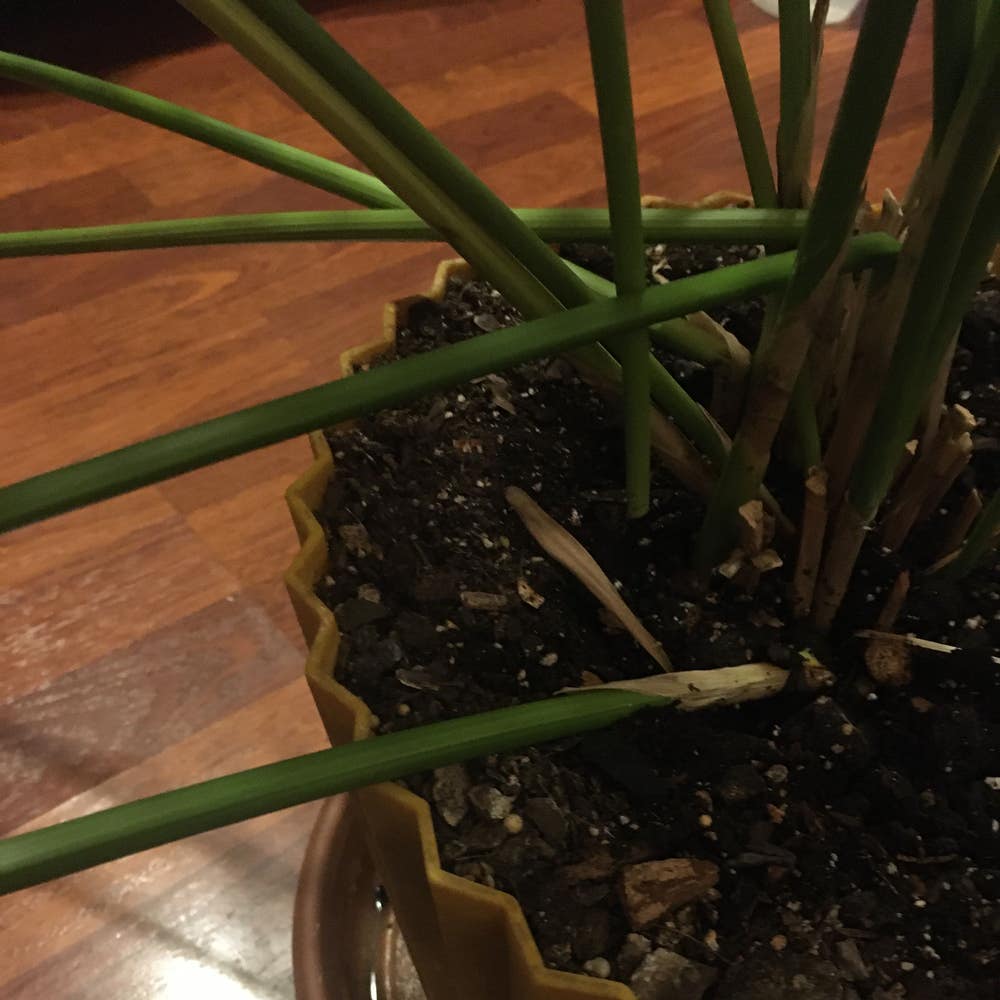
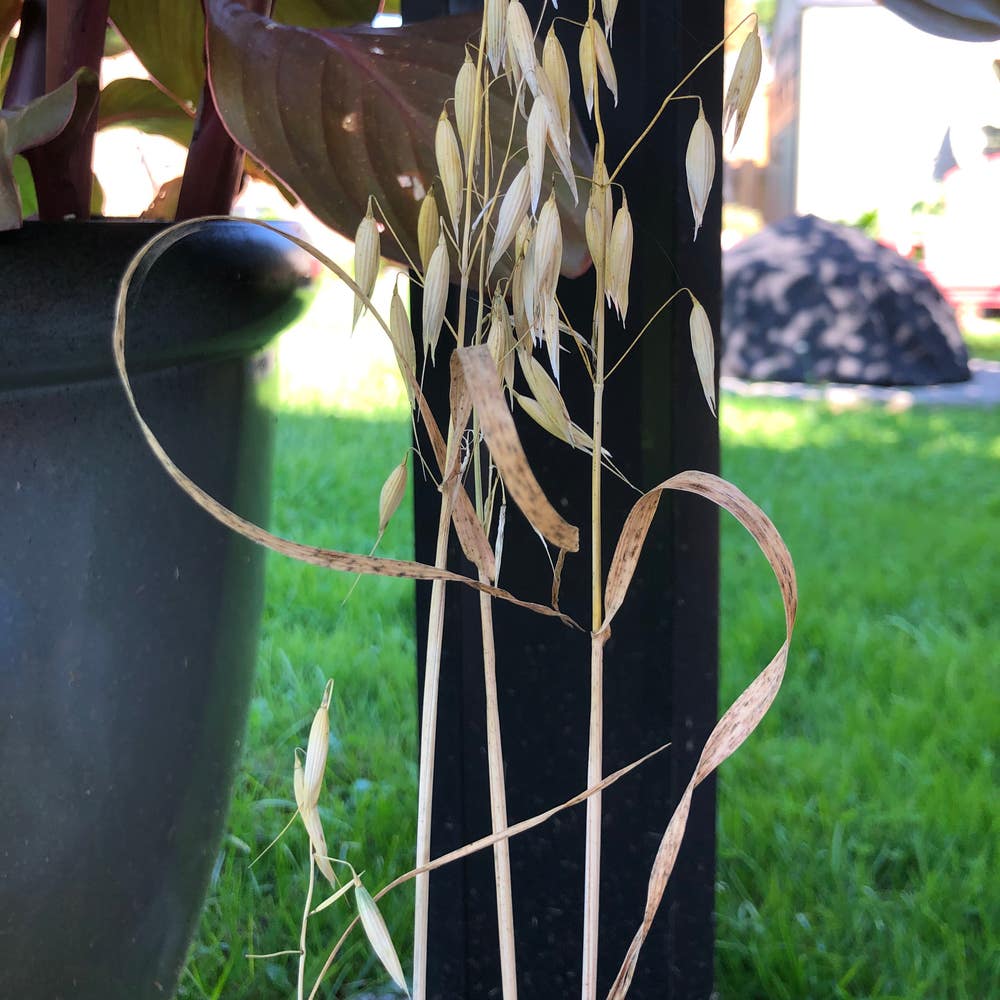
Key indicators to monitor include leaf color, droopiness, and overall vigor. Healthy leaves should be vibrant and upright, signaling that your plant is in good shape.
Signs of Recovery and Ongoing Care 🌿
As you implement treatment solutions, watch for signs of recovery. Greener leaves, upright growth, and the emergence of new shoots are all positive indicators.
Continue to adjust your care practices based on these recovery signs. Staying attentive will ensure your Nutgrass remains healthy and resilient.
⚠️ Safety First
This content is for general information and may contain errors, omissions, or outdated details. It is not medical, veterinary advice, or an endorsement of therapeutic claims.
Always consult a qualified healthcare professional before using any plant as food, medicine, or supplement.
Never eat any plant (or feed one to pets) without confirming its identity with at least two trusted sources.
If you suspect poisoning, call Poison Control (800) 222-1222, the Pet Poison Helpline (800) 213-6680, or your local emergency service immediately.
Spotted an error? Please report it here.
Keep your Nutgrass thriving 🌱 by using Greg's tailored care reminders and pest management tips to ensure those leaves stay upright and healthy!