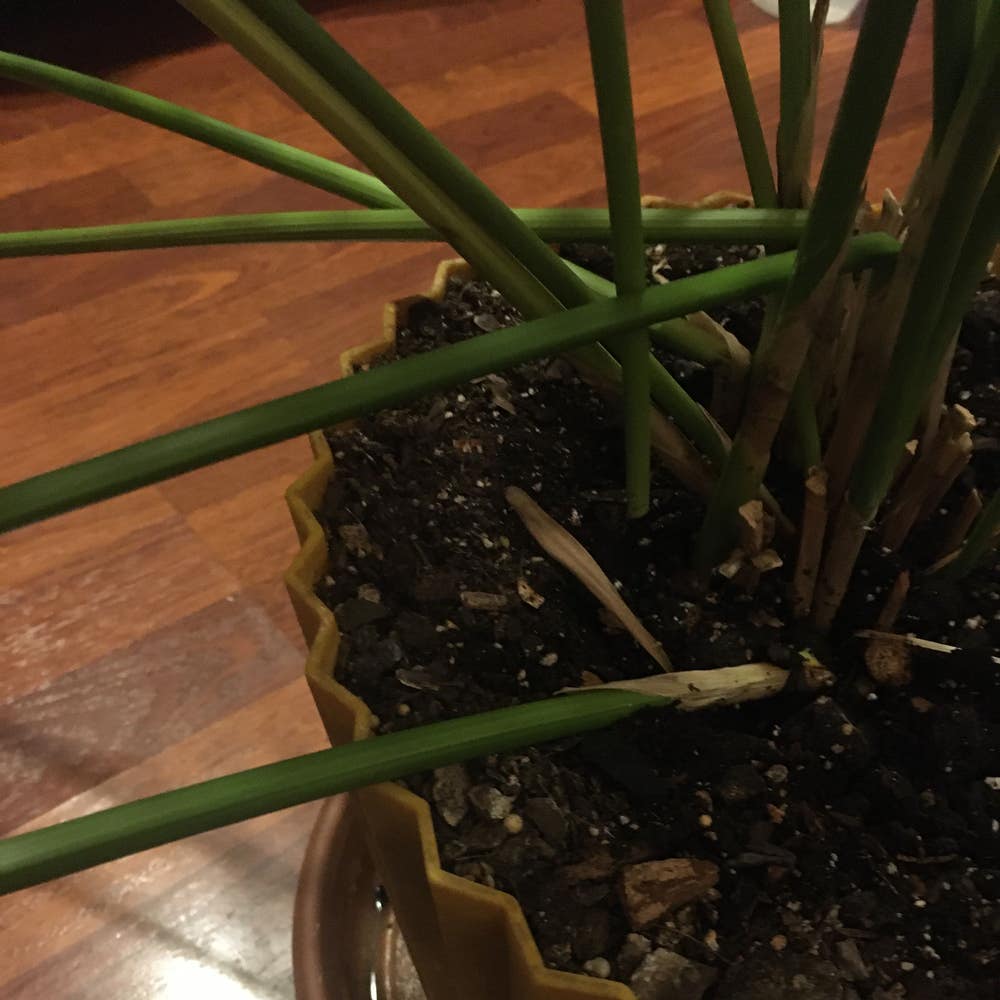
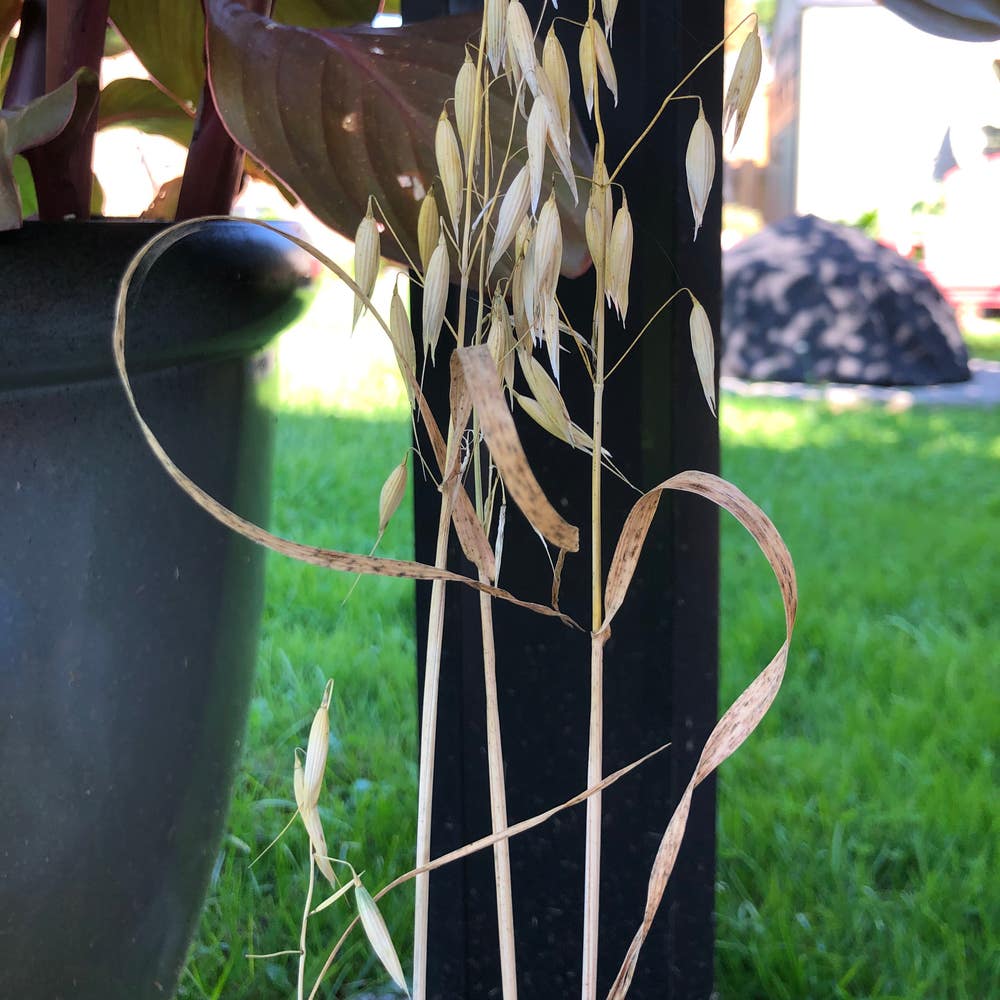
Dealing with Droopy Leaves on Your Purple Nutsedge 😩
Cyperus rotundus
By the Greg Editorial Team
Jan 07, 2025•5 min read
This article was created with the help of AI so we can cover more plants for you. May contain errors. See one? Report it here.
Transform your droopy purple nutsedge 🌱 into a thriving beauty with essential care tips and tricks!
- 💧 Overwatering and underwatering both cause droopy leaves; balance is key!
- 🌱 Nutrient deficiencies lead to yellowing leaves; regular fertilization supports growth.
- 🐛 Pest infestations and fungal infections can worsen droopiness; inspect plants regularly.
Causes of Droopy Leaves
💧 Overwatering
Overwatering is a common culprit behind droopy leaves on your purple nutsedge. Symptoms include waterlogged soil, yellowing leaves, and even root rot, which suffocates the roots and leads to droopiness.
🚰 Underwatering
On the flip side, underwatering can also cause droopy leaves. Look for dry, crispy leaf edges and wilting, which indicate insufficient moisture and stress on the plant.
🍽️ Nutrient Deficiencies
Nutrient deficiencies can significantly affect your plant's health. Common deficiencies include nitrogen, phosphorus, and potassium, leading to yellowing leaves and stunted growth.
🐜 Pest Infestations
Pests like aphids and spider mites can wreak havoc on your purple nutsedge. Symptoms of infestations include wilting, leaf discoloration, and visible pests on the leaves.
🍄 Fungal Infections
Fungal infections, such as root rot and leaf spot, can also contribute to droopy leaves. Watch for wilting, dark spots on leaves, and an overall decline in health as signs of these issues.
Understanding these causes is essential for effective plant care. By identifying the root of the problem, you can take the necessary steps to restore your purple nutsedge to its vibrant self.
Diagnosing the Problem
🌧️ Assessing Soil Moisture Levels
To determine if your Purple Nutsedge is suffering from moisture issues, start by checking the soil moisture levels. You can use a moisture meter or simply perform a finger test by inserting your finger into the soil up to the second knuckle.
The ideal moisture level is consistently moist soil that is not soggy. If the soil feels overly wet or waterlogged, you may be overwatering, while dry soil indicates underwatering.
🥦 Identifying Nutrient Deficiencies
Nutrient deficiencies can also lead to droopy leaves. Look for signs like leaf discoloration or stunted growth, which may indicate a lack of essential nutrients.
Conducting a soil test can provide insights into nutrient levels and help you identify any deficiencies. This proactive approach ensures your plants receive the necessary nutrients for healthy growth.
🐛 Checking for Pests and Diseases
Pests and diseases can wreak havoc on your Purple Nutsedge. Regular visual inspections are crucial; check for any visible pests or signs of disease, such as wilting or discoloration.
Common signs of infestation include webbing, sticky residue, and unusual leaf spots. Catching these issues early can prevent further damage to your plants.
🌡️ Evaluating Environmental Conditions
Lastly, consider the environmental conditions surrounding your Purple Nutsedge. Factors like sunlight exposure, temperature, and humidity play a significant role in plant health.
Ideally, your plants should receive full sun with adequate moisture. Monitoring these conditions can help you create a thriving environment for your Purple Nutsedge.
By carefully assessing these aspects, you can effectively diagnose the underlying issues causing droopy leaves and take the necessary steps to restore your plant's health. Next, let’s explore treatment options to address these problems effectively.
Treatment Options
Adjusting Watering Practices 🌊
Proper watering is crucial for the health of your Purple Nutsedge.
Proper Irrigation Techniques
- Watering frequency: Aim to water 1-2 times per week, adjusting based on weather conditions.
- Depth of watering: Ensure that water penetrates at least 6 inches deep into the soil.
Signs of Overwatering vs. Underwatering 🚰
Recognizing the signs of improper watering can save your plant from distress.
- Overwatering: Look for soggy soil and yellowing leaves as indicators.
- Underwatering: If you notice wilting and dry soil, your plant is likely thirsty.
Fertilization Strategies 🌱
Nourishing your Purple Nutsedge with the right fertilizers can enhance its growth and resilience.
Recommended Fertilizers
- Types: Use balanced NPK fertilizers, like 10-10-10, for optimal nutrient supply.
- Organic options: Consider compost or well-rotted manure to enrich the soil naturally.
Timing and Application Methods
Applying fertilizer at the right time ensures your plant gets the nutrients it needs.
- Application frequency: Fertilize every 4-6 weeks during the growing season.
- Method: Distribute the fertilizer evenly around the base of the plant for best results.
Pest and Disease Management 🐛
Keeping pests and diseases at bay is essential for maintaining healthy plants.
Organic and Chemical Control Options
You have choices when it comes to managing pests and diseases.
- Organic: Neem oil and insecticidal soap are effective for pest control.
- Chemical: Use fungicides for fungal infections and targeted insecticides for specific pests.
Preventative Measures
Taking proactive steps can prevent future issues.
- Regular inspections: Conduct weekly checks for pests and signs of disease.
- Healthy practices: Maintain proper watering and fertilization to keep your plant thriving.
With these treatment options, you can effectively address droopy leaves and promote a healthier Purple Nutsedge. Next, let’s explore how to prevent these issues from arising in the first place.
Preventing Droopy Leaves
🌱 Best Practices for Care
Soil Preparation and Drainage
To keep your Purple Nutsedge thriving, start with the right soil. Aim for a well-draining mix rich in organic matter, which helps prevent waterlogging and promotes healthy root growth.
Amending your soil with compost is a fantastic technique. This not only improves drainage but also enriches the soil with essential nutrients.
Regular Monitoring of Plant Health
Regular checks are crucial for early detection of stress. Aim for weekly inspections to catch any signs of droopiness or distress before they escalate.
Utilize tools like a moisture meter or soil test kits. These can provide valuable insights into your plant's needs and help you maintain optimal conditions.
🍂 Seasonal Care Considerations
Adjusting Care Based on Growth Cycles
Understanding your plant's growth cycles is key to effective care. During the active growth periods in spring and summer, your Purple Nutsedge will need more attention.
Increase your watering and fertilization during these peak times. This ensures your plant has the resources it needs to flourish.
Preparing for Environmental Changes
Be proactive in anticipating weather changes. Adjust your care routine during droughts or heavy rains to protect your plant from stress.
Implement protective measures like mulching. This helps retain moisture and regulate soil temperature, creating a stable environment for your Purple Nutsedge.
By following these best practices and seasonal adjustments, you can significantly reduce the chances of droopy leaves and keep your plant healthy and vibrant. Next, let’s explore effective treatment options if you do encounter droopy leaves.
⚠️ Safety First
This content is for general information and may contain errors, omissions, or outdated details. It is not medical, veterinary advice, or an endorsement of therapeutic claims.
Always consult a qualified healthcare professional before using any plant as food, medicine, or supplement.
Never eat any plant (or feed one to pets) without confirming its identity with at least two trusted sources.
If you suspect poisoning, call Poison Control (800) 222-1222, the Pet Poison Helpline (800) 213-6680, or your local emergency service immediately.
Spotted an error? Please report it here.
Revive your purple nutsedge and breathe life back into those droopy leaves 🌱 with Greg's tailored watering reminders and nutrient tips that ensure your plant thrives!