🍂 Best Tips for Dropping Leaves on Nutgrass
Cyperus rotundus
By the Greg Editorial Team
Nov 07, 2024•5 min read
This article was created with the help of AI so we can cover more plants for you. May contain errors. See one? Report it here.
Revitalize your Nutgrass 🌱 with expert tips to prevent leaf drop and promote lush, vibrant growth!
- 🌱 Nutgrass leaf drop symptoms include yellowing, wilting, and browning of leaves.
- 💧 Soil drainage and consistent watering are crucial to prevent leaf drop in Nutgrass.
- 🐛 Pest and disease management is essential for maintaining healthy Nutgrass growth.
Diagnosing Leaf Drop
🧐 Identifying Symptoms
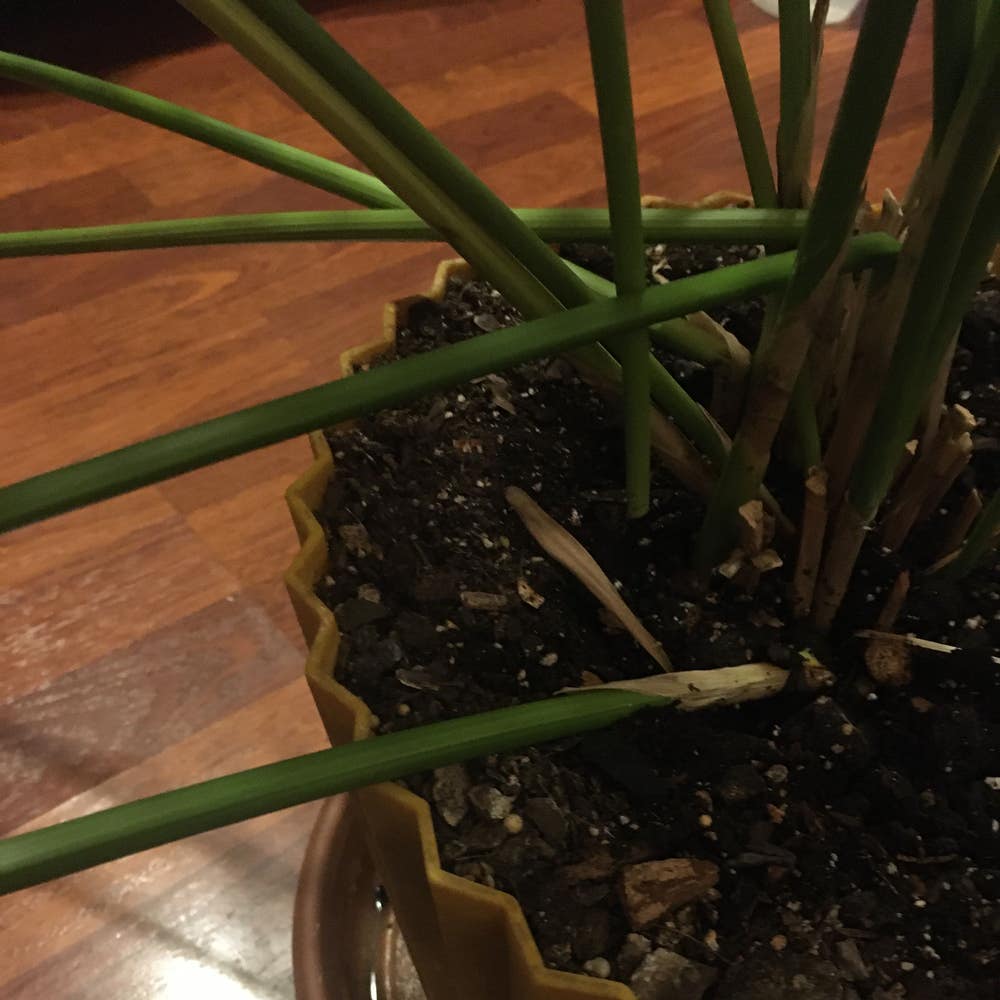
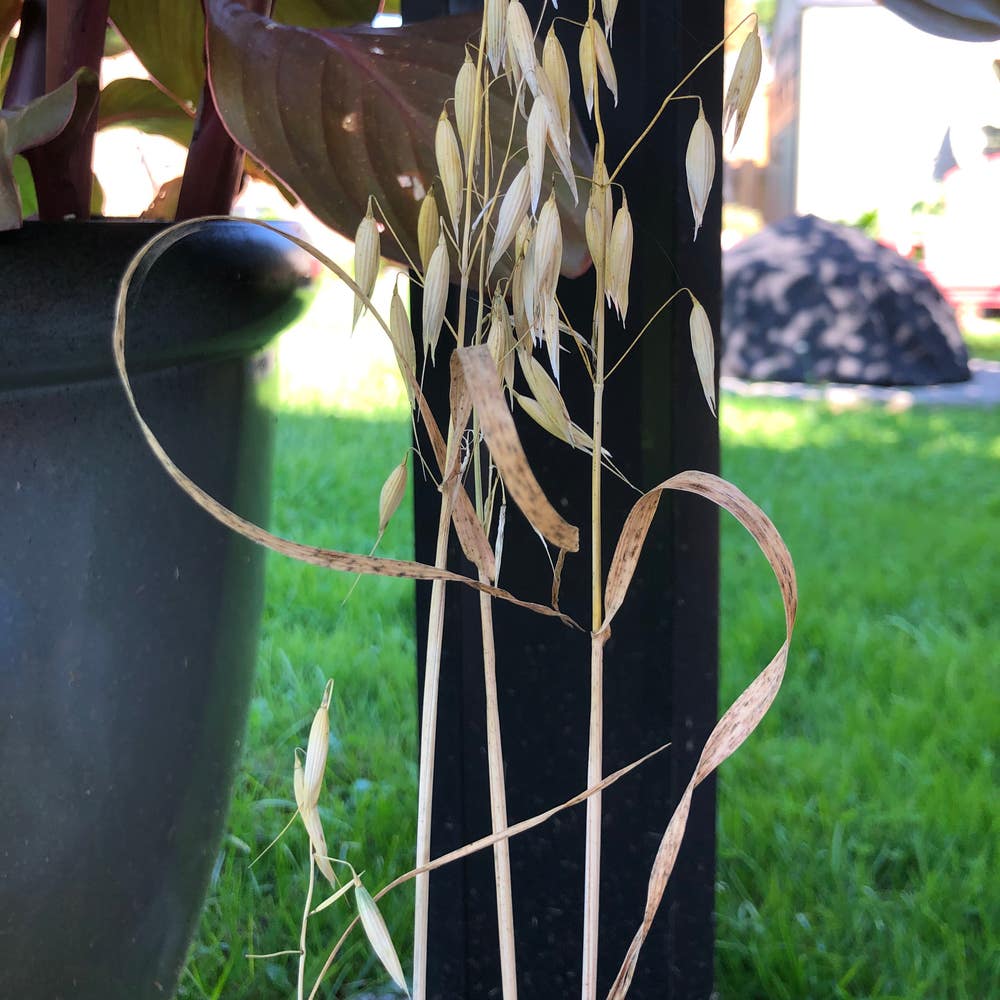
When Nutgrass leaves start to drop, the first signs are often yellowing, wilting, and browning. These visual cues can indicate whether the plant is experiencing environmental stress or suffering from pests and diseases.
To differentiate between these issues, closely observe the overall health of the plant. Environmental stress typically manifests as uniform yellowing, while pest or disease problems may present with irregular patterns or spots on the leaves.
🌱 Assessing Soil Conditions
Soil conditions play a crucial role in the health of Nutgrass. Well-draining soil is essential to prevent root rot, which can lead to significant leaf drop.
To assess soil drainage, perform a simple test: dig a small hole and fill it with water. If the water drains quickly, your soil is likely well-draining; if it pools, you may need to amend it. Additionally, measuring soil moisture levels can be done using a moisture meter or by feeling the soil a few inches down.
💧 Evaluating Watering Practices
Watering practices are vital for maintaining optimal moisture levels in Nutgrass. A consistent watering schedule helps ensure the plant receives the right amount of water without becoming waterlogged.
Look for signs of overwatering, such as yellowing leaves and a mushy texture, or underwatering, indicated by wilting and dry soil. Adjust your watering habits accordingly to keep your Nutgrass thriving.
Understanding these diagnostic steps will empower you to take action and prevent further leaf drop. Next, let’s explore effective strategies for preventing leaf drop in Nutgrass.
Preventing Leaf Drop
Proper Watering Techniques 🌊
Maintaining consistent moisture is key to preventing leaf drop in Nutgrass. Aim for a watering schedule that keeps the soil evenly moist without causing waterlogging.
Deep watering is one of the best practices to encourage robust root growth. This method allows water to penetrate deeper into the soil, promoting healthier plants.
Soil Amendment Strategies 🌱
Improving soil structure is essential for Nutgrass health. Adding organic matter, such as compost, enhances drainage and boosts nutrient retention.
When it comes to soil amendments, consider options like peat moss or well-rotted manure. Apply these amendments at recommended rates to ensure optimal results.
Fertilization Guidelines 🌼
Using balanced NPK fertilizers can significantly impact Nutgrass growth. These fertilizers provide essential nutrients that support overall plant health.
Timing and frequency of fertilization are crucial for success. A regular schedule, typically every 4-6 weeks during the growing season, will help keep your Nutgrass thriving.
By implementing these preventive measures, you can create a thriving environment for your Nutgrass. Next, we’ll explore effective treatment options for leaf drop when it occurs.
Treating Leaf Drop
🐞 Pest Control Methods
Dealing with pests is crucial for maintaining healthy Nutgrass. Start with organic options like neem oil and insecticidal soap, which are effective and safe for the environment.
Beneficial insects, such as ladybugs, can also help manage pest populations naturally. If you opt for chemical treatments, apply pesticides carefully, following the manufacturer's instructions to ensure safety for both plants and the surrounding ecosystem.
🦠 Disease Management Practices
Fungal and bacterial diseases can wreak havoc on your Nutgrass. Identifying these issues early is key; look for signs like unusual spots or wilting leaves.
Recommended fungicides and bactericides can help treat these diseases effectively. Additionally, maintaining a clean growing area is essential to prevent the spread of pathogens. Regularly remove debris and sanitize tools to keep your plants healthy.
🌤️ Adjusting Environmental Conditions
Environmental factors play a significant role in the health of your Nutgrass. Modifying light exposure can enhance growth; ensure your plants receive adequate sunlight by trimming back any obstructing foliage.
Temperature control is equally important. Protect your Nutgrass from extreme conditions by using shade cloths during intense heat or covering them during unexpected cold snaps. These adjustments can make a world of difference in preventing leaf drop.
By addressing pests, diseases, and environmental conditions, you can effectively treat leaf drop in Nutgrass. Next, let’s explore seasonal considerations to ensure your plants thrive throughout the year.
Seasonal Considerations
🌱 Seasonal Care Tips for Nutgrass
Spring is a critical time for Nutgrass. As temperatures rise, it's essential to prepare for growth by addressing early signs of stress, such as yellowing leaves or wilting.
In summer, managing heat and moisture levels becomes vital. Ensure your Nutgrass receives adequate water without becoming waterlogged, as this can lead to leaf drop.
As fall approaches, it's time to prepare for dormancy. Gradually reduce watering frequency to help your Nutgrass transition smoothly into the cooler months.
🔄 Adjusting Care Based on Growth Cycle
Understanding the growth cycle of Nutgrass is key to effective care. This plant typically experiences active growth in spring and summer, followed by a dormant phase in fall and winter.
Timing your fertilization and pest control efforts according to these seasonal changes can significantly enhance your Nutgrass's health. For instance, apply fertilizers in early spring to support growth and adjust pest control measures as needed throughout the growing season.
By aligning your care practices with the natural rhythms of Nutgrass, you can foster a thriving environment that minimizes leaf drop and promotes robust growth.
⚠️ Safety First
This content is for general information and may contain errors, omissions, or outdated details. It is not medical, veterinary advice, or an endorsement of therapeutic claims.
Always consult a qualified healthcare professional before using any plant as food, medicine, or supplement.
Never eat any plant (or feed one to pets) without confirming its identity with at least two trusted sources.
If you suspect poisoning, call Poison Control (800) 222-1222, the Pet Poison Helpline (800) 213-6680, or your local emergency service immediately.
Spotted an error? Please report it here.
Cultivate a thriving Nutgrass 🌿 by using Greg's tailored watering reminders and soil assessments to keep leaf drop at bay and ensure your plant flourishes all year round!