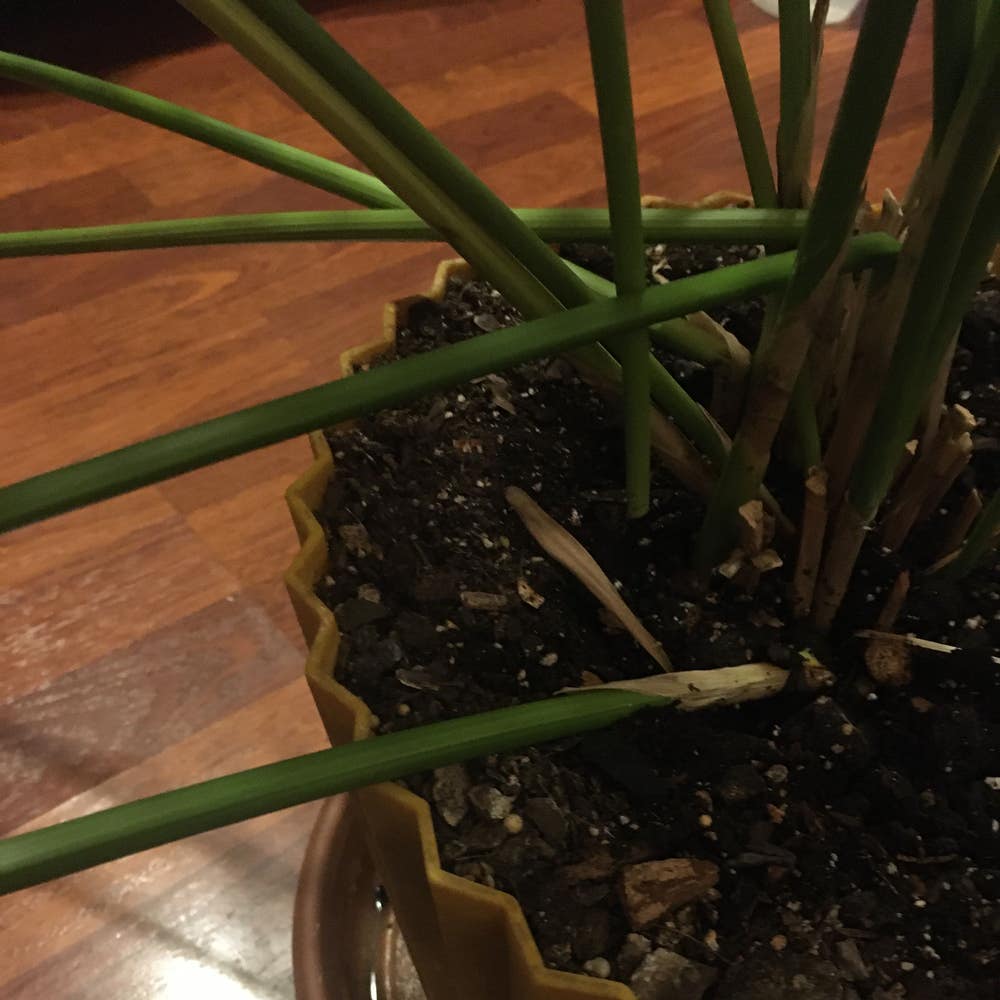
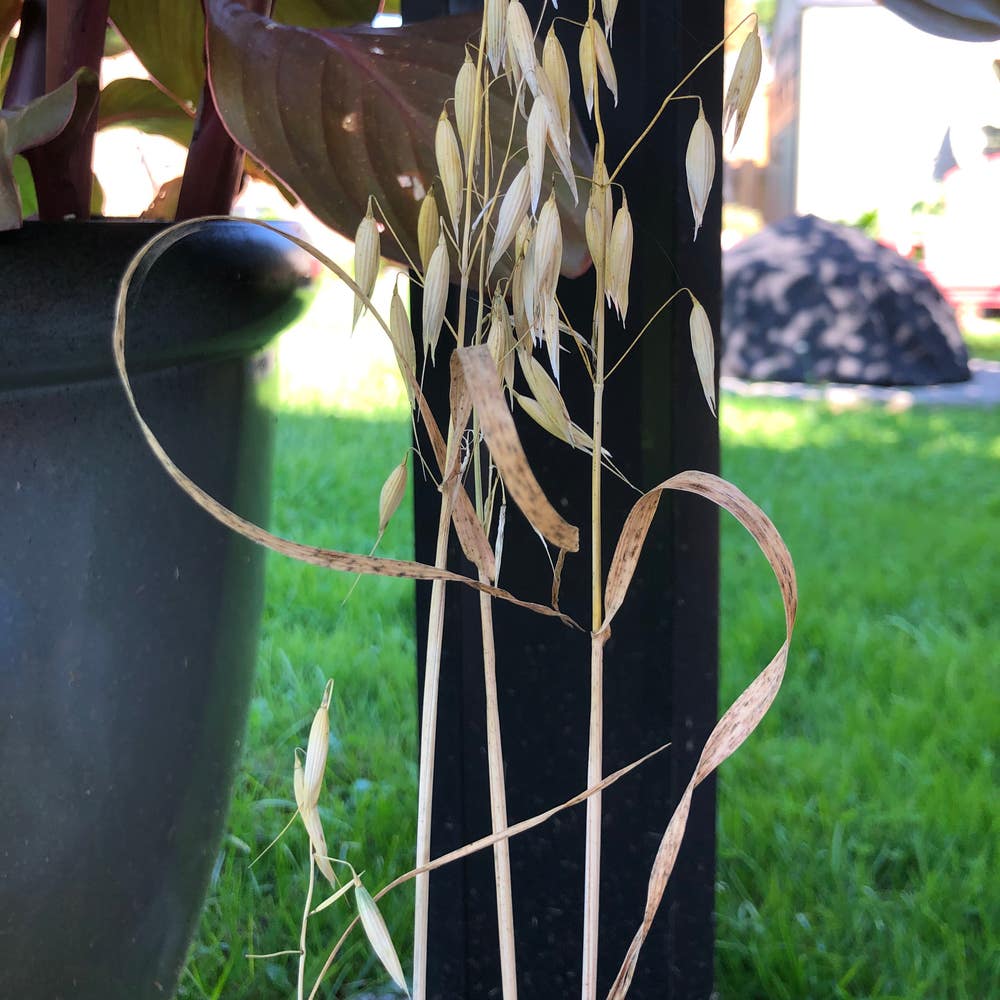
🔍 Understanding Brown Spots on Your Nutgrass Leaves
Cyperus rotundus
By the Greg Editorial Team
Nov 07, 2024•7 min read
This article was created with the help of AI so we can cover more plants for you. May contain errors. See one? Report it here.
Revive your nutgrass and banish brown spots 🌱 with these essential tips for vibrant, healthy growth!
- 🌱 Brown spots on nutgrass stem from fungi, pests, or nutrient deficiencies.
- 💧 Overwatering and drought both cause environmental stress, leading to brown spots.
- 🔍 Regular inspections and soil tests help diagnose and treat nutgrass issues effectively.
Causes of Brown Spots
🦠 Fungal Infections
Fungal infections are a primary culprit behind brown spots on nutgrass leaves. Common offenders include leaf spot fungi, which manifest as small brown spots that can expand, and root rot fungi, leading to overall plant decline and browning.
Conditions that favor fungal growth include high humidity and poor air circulation. Overwatering and waterlogged soil also create an ideal environment for these pathogens to thrive.
🥦 Nutrient Deficiencies
Nutrient deficiencies can significantly impact the health of your nutgrass. Key nutrients that may be lacking include nitrogen, which causes yellowing and browning of older leaves, and potassium, leading to browning at the leaf tips and edges.
Signs of nutrient deficiency are often visible through color variations, such as yellowing leaves with brown spots, alongside stunted growth and poor vigor.
🐛 Pest Infestations
Pest infestations can also lead to brown spots on your nutgrass. Common pests include aphids, which can cause leaf curling and discoloration, and grubs, which feed on roots and disrupt nutrient uptake.
To identify pest damage, look for visible pests on leaves and signs of feeding. Regular monitoring can help catch these issues early.
🌧️ Environmental Stress
Environmental stressors play a significant role in the appearance of brown spots. Drought conditions, where insufficient soil moisture leads to browning, are a common issue.
Conversely, overwatering can cause root suffocation, resulting in brown spots as well. Maintaining balanced soil moisture is crucial for the health of your nutgrass.
Understanding these causes is the first step in diagnosing and treating brown spots effectively. Next, we’ll explore how to diagnose these issues through visual inspection techniques.
Diagnosing Brown Spots
🔍 Visual Inspection Techniques
Diagnosing brown spots on your nutgrass leaves starts with a thorough visual inspection. Begin by examining the leaves for any color variations and distinct patterns that could indicate underlying issues.
Next, check for texture changes such as wilting or crisping, which can signal stress. Finally, look for signs of pests or fungal growth, as these can contribute to the browning of leaves.
🧪 Soil Testing for Nutrient Levels
Soil testing is crucial for identifying nutrient deficiencies that may be affecting your plant's health. By testing the soil, you can pinpoint specific nutrients that are lacking and address them effectively.
To conduct a soil test, collect samples from various areas of your garden. Follow the instructions provided with your soil test kit to accurately assess pH and nutrient levels.
🐛 Identifying Pests and Their Signs
Pest infestations can also lead to brown spots on your nutgrass leaves. Common signs include sticky residue left by aphids and visible larvae or adult insects on the leaves.
To monitor pest populations, regularly inspect your plants and the surrounding soil. This proactive approach allows you to catch infestations early and take appropriate action.
By mastering these diagnostic techniques, you can effectively identify the causes of brown spots and take steps toward restoring your nutgrass to its vibrant state. Next, we will explore treatment options to address these issues.
Treating Brown Spots
🦠 Treatment Options for Fungal Infections
Fungal infections can wreak havoc on your nutgrass leaves, leading to unsightly brown spots. To combat these, consider using fungicides, which fall into two main categories: systemic and contact.
- Systemic fungicides are absorbed by the plant, providing internal protection.
- Contact fungicides act on the surface, targeting the fungi directly.
For application, you can use foliar sprays for immediate coverage or soil drenches for deeper penetration. Timing is crucial; apply fungicides at the first sign of infection and follow up as recommended on the product label for maximum effectiveness.
🥦 Addressing Nutrient Deficiencies
Nutrient deficiencies can also contribute to brown spots on your nutgrass leaves. To address this, focus on fertilizers that replenish essential nutrients.
- Nitrogen-rich fertilizers promote lush, green growth, vital for overall plant health.
- Potassium supplements help maintain leaf integrity and prevent browning at the tips.
When applying fertilizers, consider the method: granular fertilizers are great for slow release, while liquid options provide a quick nutrient boost. Always follow the recommended application rates to avoid over-fertilization.
🐞 Pest Control Methods
Pests can be another culprit behind brown spots, so effective pest control is essential. Start with organic options that are gentle on the environment.
- Neem oil and insecticidal soap are excellent for controlling aphids without harming beneficial insects.
- Introducing beneficial insects like ladybugs can naturally manage pest populations.
If you opt for chemical solutions, familiarize yourself with commonly used pesticides and adhere to their application guidelines. This ensures you protect your plants while minimizing any negative impact on the surrounding ecosystem.
By addressing fungal infections, nutrient deficiencies, and pest issues, you can effectively treat and prevent brown spots on your nutgrass leaves. Next, let’s explore how to prevent these problems from arising in the first place.
Preventing Brown Spots
🌱 Best Practices for Care
Proper watering is crucial for preventing brown spots on nutgrass leaves. Aim for 1-2 inches of water per week, adjusting based on weather conditions.
Deep watering encourages robust root growth, helping plants withstand stress. This method ensures that moisture reaches deeper soil layers, promoting healthier plants.
Soil health management is equally important. Regularly amend your soil with organic matter to enhance its fertility and structure.
Maintaining suitable pH levels (between 6.0 and 7.0) is vital for nutrient availability. This balance supports optimal growth and minimizes the risk of deficiencies.
Sunlight exposure plays a significant role in plant health. Nutgrass thrives in full sun to partial shade, so ensure your plants receive adequate light for robust growth.
🍂 Seasonal Care Tips
Adjusting your care routine according to the seasons can make a big difference. In spring, focus on fertilization and monitoring for pests to kickstart growth.
During summer, increase watering frequency and prioritize disease prevention. This proactive approach helps combat the heat and humidity that can lead to brown spots.
As fall approaches, prepare your nutgrass for dormancy. Reduce watering to prevent root rot and ensure your plants are ready for the colder months ahead.
By implementing these best practices and seasonal tips, you can significantly reduce the risk of brown spots on your nutgrass leaves. This proactive care will lead to healthier plants and a more vibrant garden.
Next, we’ll explore how to monitor and maintain your nutgrass effectively to ensure ongoing health and vitality.
Monitoring and Maintenance
Regular Inspection Routines 🌿
Regular inspections are crucial for maintaining the health of your nutgrass. Aim for weekly checks during the growing season to catch any issues early, and switch to monthly inspections during dormancy.
During these inspections, pay close attention to changes in leaf color, texture, and overall plant vigor. Noticing subtle shifts can help you address problems before they escalate.
Record-Keeping for Plant Health 📚
Keeping detailed records is essential for effective plant care. Document changes in leaf health and track the effectiveness of treatments you apply.
Additionally, note any pest occurrences and the outcomes of your pest control efforts. This information will help you make informed decisions in the future.
Adjusting Care Based on Observed Changes 🔄
Being responsive to your plant's health is key to successful maintenance. If you notice symptoms like browning leaves or stunted growth, adjust your watering and fertilization practices accordingly.
Promptly implement pest control measures when you detect infestations. This proactive approach will help ensure your nutgrass remains healthy and vibrant.
As you monitor and maintain your nutgrass, remember that consistent care leads to thriving plants. Next, we’ll explore the best practices for preventing brown spots and ensuring long-term health.
⚠️ Safety First
This content is for general information and may contain errors, omissions, or outdated details. It is not medical, veterinary advice, or an endorsement of therapeutic claims.
Always consult a qualified healthcare professional before using any plant as food, medicine, or supplement.
Never eat any plant (or feed one to pets) without confirming its identity with at least two trusted sources.
If you suspect poisoning, call Poison Control (800) 222-1222, the Pet Poison Helpline (800) 213-6680, or your local emergency service immediately.
Spotted an error? Please report it here.
Keep your nutgrass vibrant and spot-free 🌱 by using Greg's tailored reminders and tips to tackle nutrient deficiencies and pests before they become a problem!