6 Facts About Purple Nutsedge Lifecycle 🥜
Cyperus rotundus
By the Greg Editorial Team
Jan 07, 2025•5 min read
This article was created with the help of AI so we can cover more plants for you. May contain errors. See one? Report it here.
Master the lifecycle of purple nutsedge 🌱 to cultivate or control this resilient plant in your garden effectively!
- 🌱 Purple nutsedge thrives in warm, moist conditions with optimal soil temperatures of 20°C to 30°C.
- 🌼 Lifecycle spans 12 to 16 weeks, from germination to flowering with yellow-green blooms.
- 🌍 Adaptable plant: survives in various moisture levels, enhancing its resilience in ecosystems.
Germination Stage
🌱 Conditions for Germination
To kick off the lifecycle of purple nutsedge, specific conditions must be met. The optimal soil temperature ranges from 20°C to 30°C (68°F to 86°F), creating the perfect environment for seeds to sprout.
Moisture is crucial as well; the soil should remain consistently moist but not waterlogged. Interestingly, purple nutsedge can germinate in both light and dark conditions, showcasing its adaptability.
⏳ Timeframe for Germination
Once conditions are right, you can expect germination to occur within an average timeframe of 7 to 14 days. However, several factors can influence this speed, including soil temperature, moisture levels, and the viability of the seeds.
Understanding these elements can help you manage purple nutsedge effectively, whether you're cultivating it or trying to control its spread. With the right conditions, you'll witness the remarkable start of this resilient plant's lifecycle.
Next, let’s explore the seedling and vegetative growth stages, where purple nutsedge begins to show its true potential.
Seedling and Vegetative Growth Stages
Characteristics of Seedlings 🌱
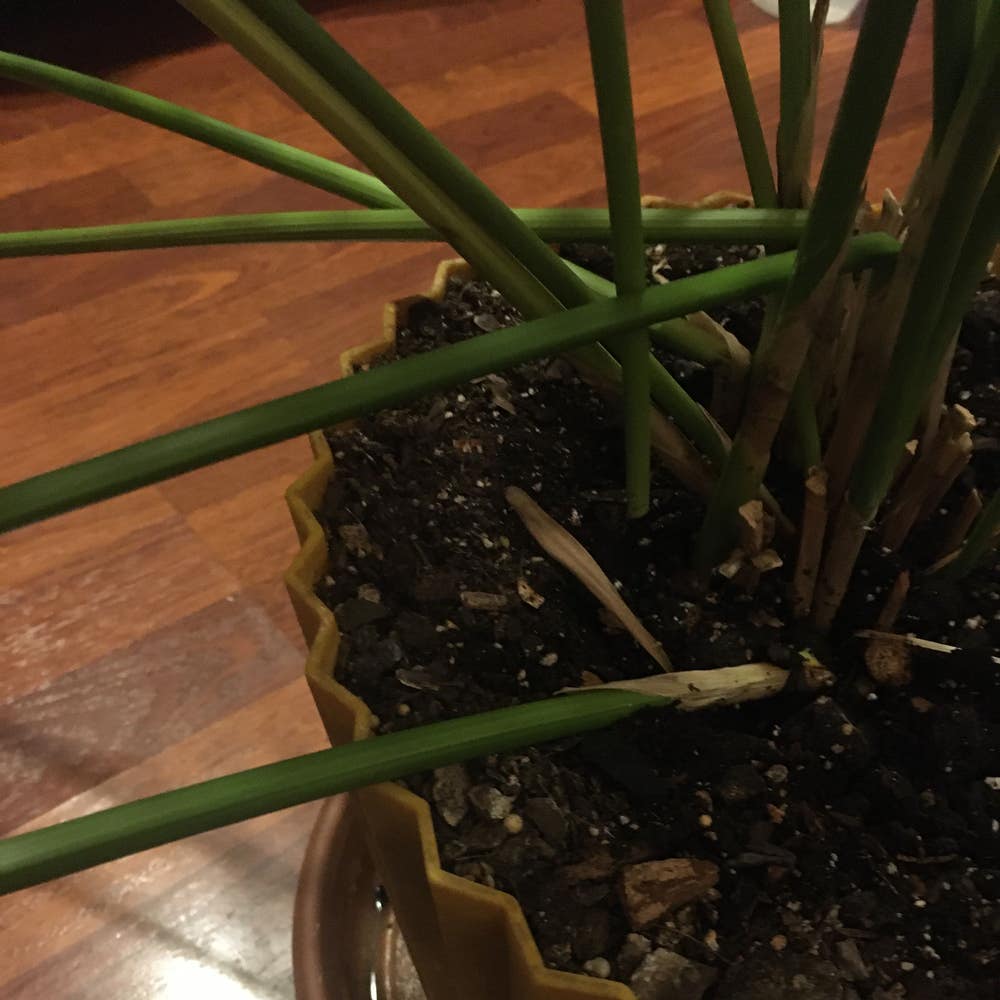
Purple nutsedge seedlings are easily identifiable by their triangular stems and vibrant green leaves. These features not only make them stand out but also indicate their readiness to thrive in various environments.
Root System Development 🌿
As seedlings grow, they begin to develop a fibrous root system along with tubers. This dual development is crucial for their survival, allowing them to anchor firmly in the soil while also storing nutrients for future growth.
Duration of Growth Stages ⏳
The typical duration for the seedling stage lasts about 2 to 4 weeks. Following this, the vegetative growth phase can extend from 4 to 8 weeks, depending on environmental conditions.
Environmental Factors Influencing Growth ☀️
Warm and moist conditions can significantly accelerate the growth of purple nutsedge. These factors create an ideal environment, promoting faster development and healthier plants.
Summary 📚
Understanding the seedling and vegetative growth stages of purple nutsedge is essential for effective management. By recognizing the characteristics and duration of these stages, you can better anticipate their growth patterns and plan accordingly.
Next, we will explore the flowering and seed production stages, where these plants truly begin to showcase their reproductive capabilities.
Flowering and Seed Production
🌼 Flower Characteristics and Timing
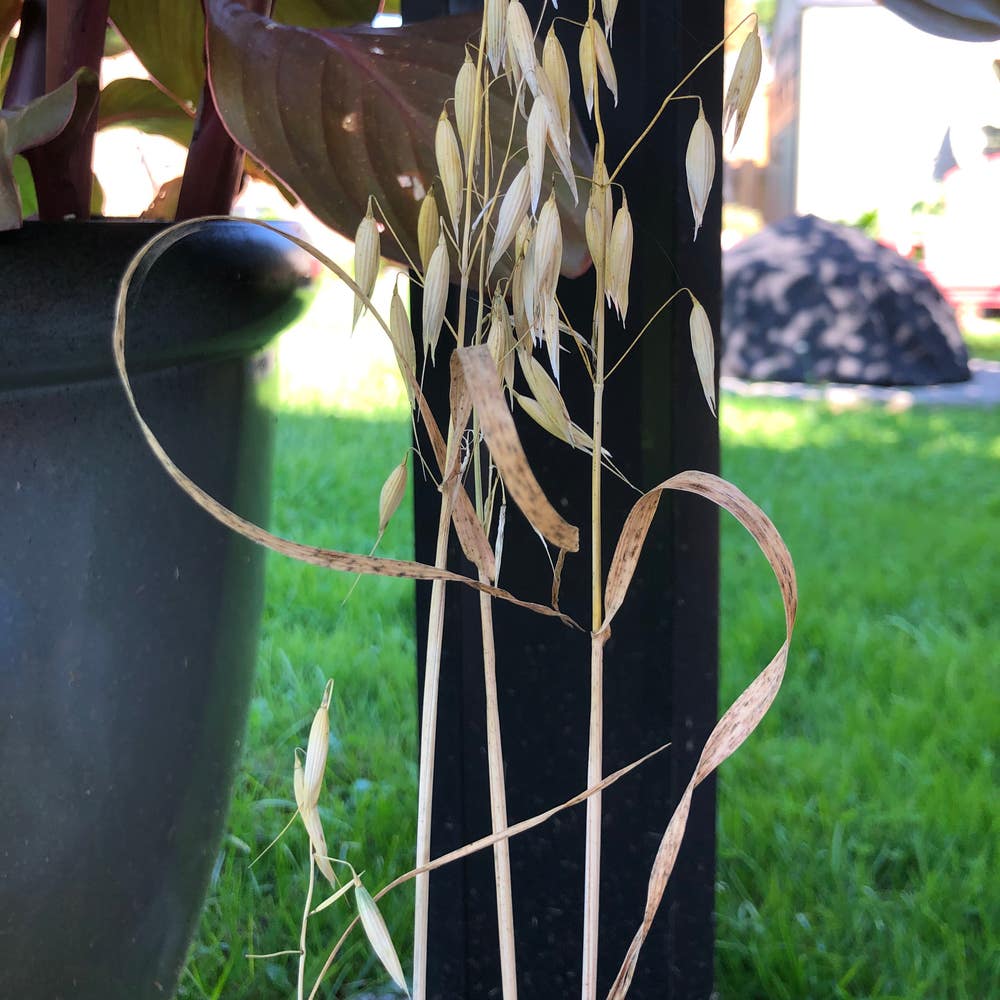
Purple nutsedge showcases its beauty through umbrella-like clusters of small, yellow-green flowers. These vibrant blooms typically appear 8 to 12 weeks after germination, marking a significant milestone in the plant's lifecycle.
🌱 Seed Development and Dispersal
Once the flowers are pollinated, seeds begin to form within the flower heads. This seed maturation process takes several weeks, ensuring that the seeds are ready for dispersal.
Seeds are dispersed through various methods, including wind, water, and animal activity. This adaptability allows purple nutsedge to spread efficiently across different environments, enhancing its survival prospects.
Understanding the flowering and seed production stages is crucial for managing purple nutsedge effectively. With this knowledge, you can better anticipate its growth patterns and take appropriate action in your garden or landscape.
Next, we will explore the growth rate and maturation of purple nutsedge, diving into how long it takes for this resilient plant to reach its full potential.
Growth Rate and Maturation
How Long Until Fully Grown? 🌱
The journey from germination to maturity for purple nutsedge typically spans about 12 to 16 weeks. This timeframe can vary based on several factors, including soil quality, moisture levels, and temperature.
Factors Affecting Growth Rate 🌍
Soil conditions play a crucial role in determining how quickly purple nutsedge grows. Nutrient availability and drainage are key; well-drained, nutrient-rich soil promotes faster growth.
Environmental conditions also significantly impact growth rates. Temperature and humidity levels can either accelerate or hinder development, making these factors essential for optimal growth.
Understanding these dynamics can help in managing purple nutsedge effectively, whether you're cultivating it or trying to control its spread. As we move forward, let’s explore the notable changes that occur throughout the lifecycle of this resilient plant.
Notable Changes Throughout Lifecycle
Morphological Changes at Each Stage 🌱
As purple nutsedge progresses through its lifecycle, it undergoes significant morphological transformations. Initially, seedlings emerge with triangular stems and bright green leaves, but as they mature, they develop into robust plants with extensive root systems.
This transition is crucial for their survival. The plants not only grow taller but also develop reproductive structures, leading to changes in leaf color and texture that signal their readiness to reproduce.
Environmental Adaptations 🌧️
Purple nutsedge is remarkably adaptable to varying moisture levels. It thrives in both wet and dry conditions, showcasing its resilience in diverse environments.
Additionally, its deep root systems provide resistance to drought. This adaptation allows the plant to access water even in challenging conditions, ensuring its survival and growth.
Changes in Reproductive Strategies 🌼
One of the most fascinating aspects of purple nutsedge is its reproductive strategy. The plant produces seeds and tubers simultaneously, which significantly increases its chances of survival and spread.
This dual approach is particularly effective in invasive environments. By enhancing its reproductive capabilities, purple nutsedge can quickly establish itself in disturbed habitats, making it a formidable presence in many ecosystems.
The lifecycle of purple nutsedge is a testament to nature's ingenuity. Understanding these changes not only highlights the plant's resilience but also prepares us for managing its growth effectively. Next, we'll explore the growth rate and maturation of purple nutsedge, delving into how long it takes to reach full maturity.
⚠️ Safety First
This content is for general information and may contain errors, omissions, or outdated details. It is not medical, veterinary advice, or an endorsement of therapeutic claims.
Always consult a qualified healthcare professional before using any plant as food, medicine, or supplement.
Never eat any plant (or feed one to pets) without confirming its identity with at least two trusted sources.
If you suspect poisoning, call Poison Control (800) 222-1222, the Pet Poison Helpline (800) 213-6680, or your local emergency service immediately.
Spotted an error? Please report it here.
Master the lifecycles of purple nutsedge 🌱 with Greg's tailored reminders for moisture and soil quality, ensuring your garden flourishes!