Why Purple Nutsedge is Considered Invasive 🌸
Cyperus rotundus
By the Greg Editorial Team
Jan 07, 2025•7 min read
This article was created with the help of AI so we can cover more plants for you. May contain errors. See one? Report it here.
Master the art of controlling Purple Nutsedge 🌱, an invasive threat to your garden and local ecosystems!
- 🌱 Purple Nutsedge is invasive, disrupting ecosystems and choking out native plants.
- 🔍 Identify it by triangular stems and purple flowers to manage infestations effectively.
- ⚖️ Balance its benefits and ecological harm for effective management strategies.
Plant Classification
Definition of Weeds and Invasive Species 🌱
Weeds are unwanted plants that invade cultivated areas, competing with crops for vital resources. In contrast, invasive species are non-native plants that spread aggressively, disrupting local ecosystems and threatening biodiversity.
Criteria for Classifying as Invasive 🚫
To be classified as invasive, a plant must demonstrate rapid spread, quickly colonizing both disturbed and undisturbed areas. Additionally, it should possess a competitive nature, outcompeting native vegetation for sunlight, water, and nutrients, while also causing significant ecological impacts that alter habitats and reduce biodiversity.
Comparison with Other Common Invasive Plants 🌍
Purple Nutsedge shares similarities with other invasive species, such as Japanese Knotweed and Kudzu, in its aggressive growth and ecological disruption. However, it differs in its growth habits and specific impacts on the environment, making it a unique challenge for land management.
Understanding these classifications helps in recognizing the importance of controlling invasive species like Purple Nutsedge to protect native ecosystems. As we delve deeper into its identification, we can better appreciate the urgency of addressing its spread.
Identification
Key Identifying Features 🌿
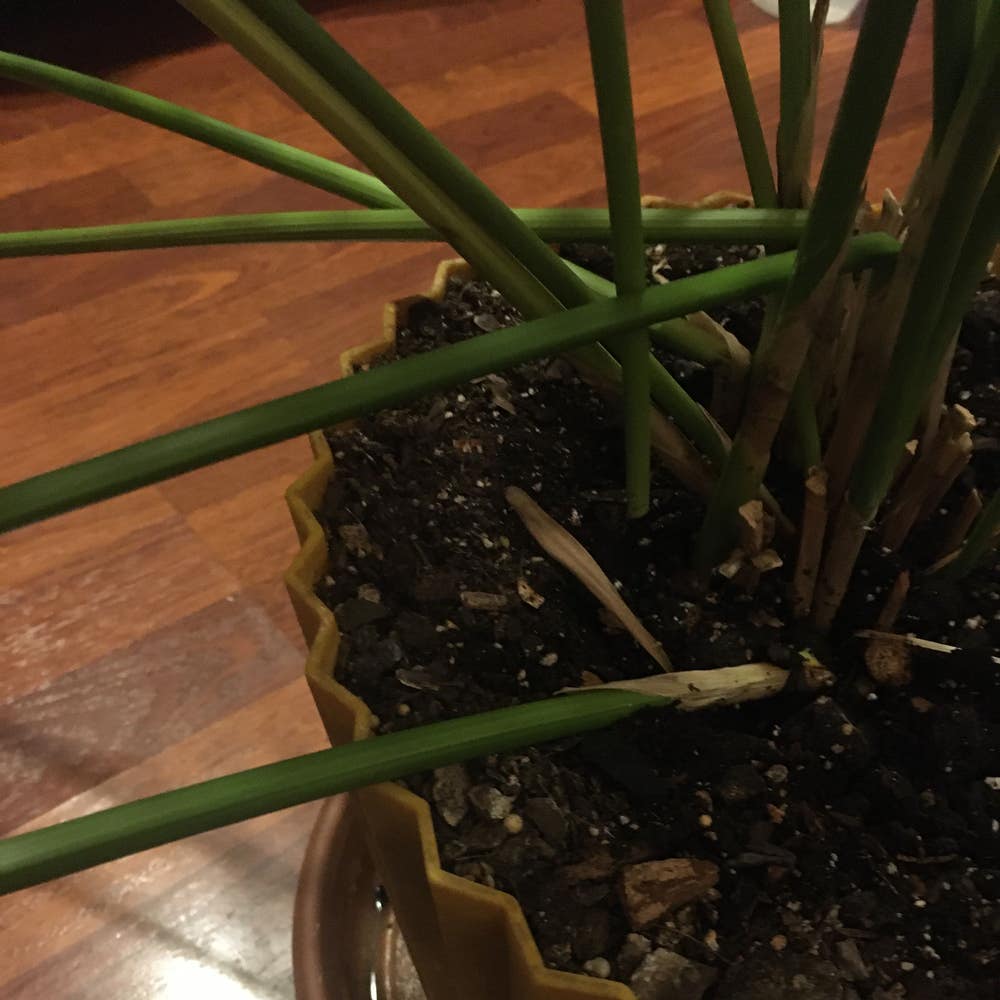
Identifying Purple Nutsedge is crucial for effective management. One of its most distinctive features is its triangular stems, which set it apart from other grasses.
Additionally, it boasts grass-like leaves that can grow up to 3 feet tall. These long, narrow leaves contribute to its robust appearance, making it easy to spot in various environments.
Another key characteristic is its distinctive purple flower clusters that bloom in summer. These vibrant flower heads not only add to its visual appeal but also serve as a helpful identification marker.
Look-Alike Plants and Distinguishing Characteristics 👀
Purple Nutsedge can be confused with other plants, particularly Yellow Nutsedge. However, there are clear differences that can help you tell them apart.
For instance, Yellow Nutsedge typically has a lighter leaf color and different flower structures. Observing these subtle distinctions can aid in accurate identification and effective control measures.
Understanding these identifying features and look-alikes is essential for anyone dealing with invasive species. It sets the stage for recognizing and managing Purple Nutsedge effectively, ensuring that you can tackle this invasive plant head-on.
Growth Habits and Spread
Typical Growth Patterns 🌱
Purple Nutsedge is notorious for its clumping growth habit. It forms dense mats that can easily choke out surrounding plants, making it a formidable competitor in any landscape.
This invasive plant thrives in a variety of environments, including disturbed soils and wetlands. Its adaptability allows it to flourish where many other plants struggle.
Reproductive Strategies 🌾
The primary method of reproduction for Purple Nutsedge is through underground tubers. These tubers enable rapid spread, allowing the plant to establish itself quickly in new areas.
In addition to tubers, Purple Nutsedge also produces seeds. While this is a secondary method of reproduction, it still plays a role in the plant's overall population establishment.
Mechanisms of Spread 🌊
Water dispersal is a significant mechanism for spreading Purple Nutsedge. Seeds and tubers can be carried through irrigation systems and rainfall, allowing them to reach new locations.
Soil disturbance also contributes to the spread of this invasive species. Cultivation practices that expose tubers can inadvertently introduce them to new areas, facilitating their aggressive growth.
As we delve deeper into the ecological impact of Purple Nutsedge, understanding its growth habits and spread is crucial. This knowledge will help us appreciate the challenges it poses to native ecosystems.
Ecological Impact
Effects on Native Plant Communities 🌱
Purple Nutsedge poses a significant threat to native plant communities. By aggressively competing for sunlight, water, and nutrients, it reduces biodiversity and disrupts the delicate balance of local ecosystems.
Habitat Alteration 🏡
This invasive species doesn't just compete; it alters habitats. It changes soil composition and moisture levels, creating an environment that can be inhospitable for native flora.
Impact on Wildlife and Biodiversity 🦋
The ecological consequences extend beyond plants. Purple Nutsedge disrupts food sources for insects and animals that depend on native plants for survival.
Reduced Habitat Quality 📉
As it takes over, the quality of habitats diminishes. Species that thrive in diverse ecosystems find it increasingly difficult to survive, leading to a decline in overall biodiversity.
In summary, the ecological impact of Purple Nutsedge is profound, affecting both plant communities and wildlife. Understanding these effects is crucial as we move towards effective control and management strategies.
Control and Management
👐 Manual Removal Techniques and Best Practices
Manual removal is a straightforward yet effective method for managing small infestations of Purple Nutsedge. Hand-pulling can be done with moderate difficulty, but it's crucial to remove the entire plant, including the roots, to prevent regrowth.
For larger infestations, digging out tubers is essential. This method is more challenging but ensures complete removal, significantly reducing the chances of the plant returning.
🧪 Overview of Chemical Control Options
Chemical control can be a powerful ally in the fight against Purple Nutsedge. Herbicides such as glyphosate and imazaquin are particularly effective, but timing is everything.
Applying herbicides during the plant's active growth phase maximizes effectiveness. Always follow label instructions for the best results and to minimize environmental impact.
🦠 Biological Control Methods and Their Effectiveness
Biological control methods are an exciting area of research for managing Purple Nutsedge. Potential natural predators or competitors could help keep its growth in check.
However, there are limitations and challenges associated with biological control. Research is ongoing to identify effective options that won't disrupt local ecosystems.
🚫 Preventive Measures to Limit Spread
Prevention is key when it comes to managing Purple Nutsedge. Mulching is a simple yet effective strategy that prevents seed germination and keeps tubers from being exposed.
Regular monitoring is also crucial. Conducting inspections can help catch early infestations before they become unmanageable.
🔍 Importance of Early Detection and Rapid Response
Early detection is vital for effective management of Purple Nutsedge. Strategies like visual inspections and soil testing can help identify new infestations quickly.
Once detected, having a response protocol in place is essential. Immediate action plans can significantly reduce the spread and impact of this invasive plant.
By employing these control and management strategies, you can help protect your garden and local ecosystems from the invasive threat of Purple Nutsedge.
Legal Status
Overview of Laws and Regulations 🌍
Purple Nutsedge is classified as a noxious weed under both federal and state regulations in various regions. This designation means that its presence is not just a nuisance; it can lead to significant legal implications for land management and agricultural practices.
Understanding these regulations is crucial for farmers and landowners. They must navigate the complexities of managing this invasive species while complying with local laws.
Requirements for Removal or Control 📜
Local ordinances often outline specific guidelines for managing invasive species like Purple Nutsedge. These rules can vary widely, so it's essential for land managers and gardeners to familiarize themselves with their area's requirements.
Additionally, there are often reporting requirements in place. This ensures that infestations are documented and managed effectively, helping to prevent further spread of this invasive plant.
Potential Benefits or Uses
📜 Historical Uses
Purple Nutsedge has a rich history in traditional medicine. Various cultures have utilized its properties for healing, showcasing its significance beyond being just an invasive plant.
🌱 Current Beneficial Uses
Today, some people cautiously use Purple Nutsedge in landscaping and erosion control. Its resilience can help stabilize soil, but care must be taken to prevent it from overtaking desired plants.
⚖️ Discussion on the Balance of Benefits vs. Negative Impacts
While there are historical and potential uses for Purple Nutsedge, it’s crucial to weigh these against its ecological and economic harm. The challenge lies in harnessing its benefits without allowing it to disrupt local ecosystems.
In summary, understanding both the advantages and disadvantages of Purple Nutsedge is essential for effective management. This balance is key as we transition to discussing the legal status of this invasive species.
⚠️ Safety First
This content is for general information and may contain errors, omissions, or outdated details. It is not medical, veterinary advice, or an endorsement of therapeutic claims.
Always consult a qualified healthcare professional before using any plant as food, medicine, or supplement.
Never eat any plant (or feed one to pets) without confirming its identity with at least two trusted sources.
If you suspect poisoning, call Poison Control (800) 222-1222, the Pet Poison Helpline (800) 213-6680, or your local emergency service immediately.
Spotted an error? Please report it here.
Combat the invasive threat of Purple Nutsedge 🌱 with Greg's tailored care tips that empower you to protect your garden and preserve local ecosystems!