Purple Nutsedge Is Not an Annual 🥜
Cyperus rotundus
By the Greg Editorial Team
Jan 07, 2025•4 min read
This article was created with the help of AI so we can cover more plants for you. May contain errors. See one? Report it here.
Master Purple Nutsedge 🌱 to enhance your garden's health and beauty while keeping its growth in check!
- 🌱 Purple Nutsedge is a perennial, thriving for years, not an annual plant.
- 🌿 Identifiable by triangular stems and narrow leaves, making it easy to spot.
- 🔄 It spreads rapidly via rhizomes and tubers, dominating new areas quickly.
Characteristics of Purple Nutsedge
🧬 Genetic Traits
Purple Nutsedge, scientifically known as Cyperus rotundus, belongs to the sedge family. This plant showcases remarkable genetic adaptability, allowing it to thrive in a variety of environments.
🌿 Physiological Traits
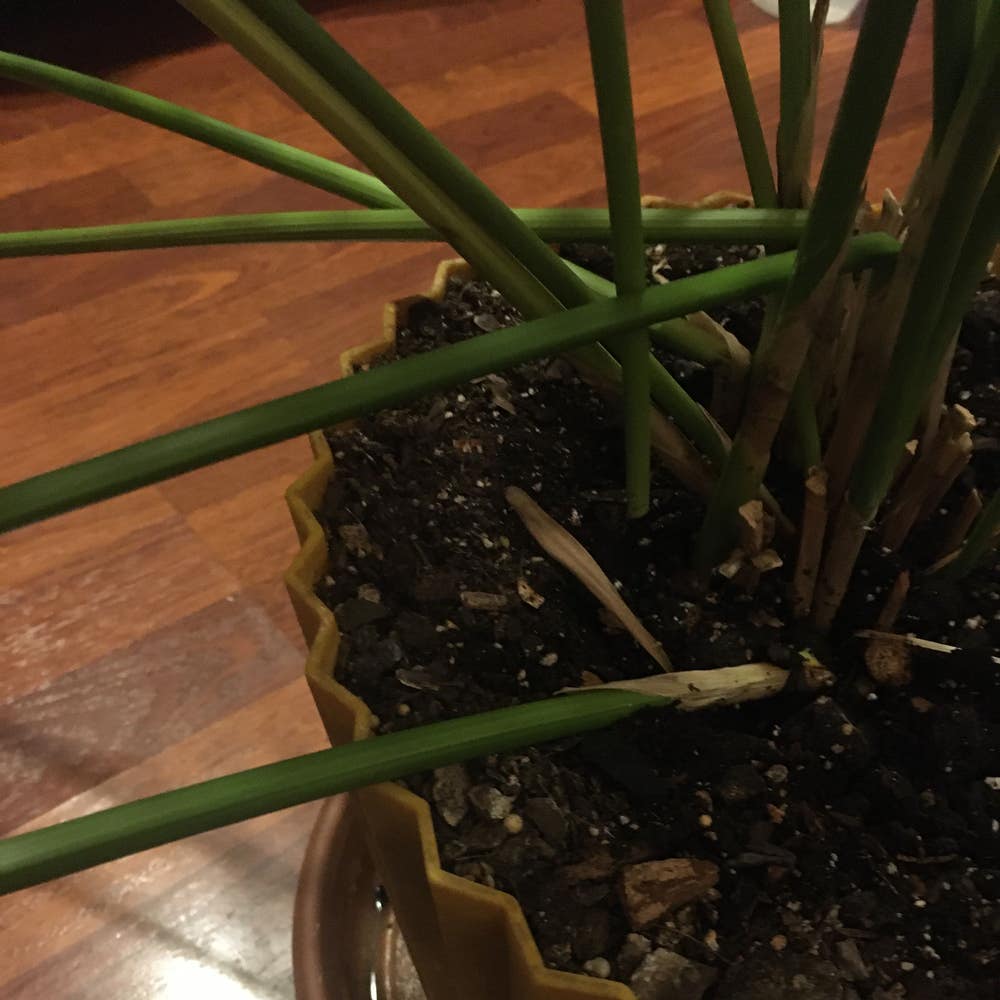
One of the most striking features of Purple Nutsedge is its morphology. It has distinctive triangular stems and long, narrow leaves that make it easily recognizable.
Underground Structures
Beneath the surface, Purple Nutsedge boasts an extensive tuber system. This underground network is crucial for nutrient storage and survival, enabling the plant to endure challenging conditions.
⏳ Long-Term Lifecycle
Purple Nutsedge is not a fleeting presence in your garden; it can live for several years. This perennial plant continuously grows and reproduces, making it a long-term fixture in many landscapes.
Seasonal Behavior
Its lifecycle is also influenced by the seasons. During colder months, Purple Nutsedge enters a dormancy phase, only to spring back to life with active growth in warmer seasons.
Understanding these characteristics is essential for gardeners looking to manage or utilize Purple Nutsedge effectively. Next, we’ll explore its growth and reproductive strategies, shedding light on how this resilient plant spreads and thrives.
Growth and Reproductive Strategies
🌱 Growth Patterns
Purple Nutsedge is known for its rapid spread. It utilizes rhizomes and tubers, enabling quick colonization of new areas.
This plant is remarkably resilient. It thrives in disturbed soils, allowing it to compete effectively with other plants in various environments.
🌼 Flowering and Seed Production
When it comes to flowering, Purple Nutsedge produces small, spike-like clusters. These flowers are often overlooked but play a role in the plant's reproductive strategy.
While it can produce seeds, the primary method of reproduction is vegetative. This means that even if seed production occurs, the plant primarily relies on its underground structures to propagate and spread.
Understanding these growth and reproductive strategies is crucial for gardeners. It helps in managing this persistent plant effectively and appreciating its role in the ecosystem.
Next, we will explore the regional variations and misconceptions surrounding Purple Nutsedge.
Regional Variations and Misconceptions
🌱 Conditions Leading to Misclassification
Purple Nutsedge often faces misclassification due to environmental factors. In warm climates, its aggressive growth can mimic that of annual plants, leading gardeners to mistakenly perceive it as a short-lived species.
This misidentification can be frustrating. Many gardeners overlook its true perennial nature because of its rapid life cycle appearance, which can create confusion in managing this resilient plant.
🗺️ Geographic Exceptions
Climate plays a significant role in how Purple Nutsedge behaves. In cooler regions, it tends to exhibit less aggressive growth, which can further contribute to its misclassification as an annual.
Local gardening practices also influence perceptions of Purple Nutsedge. Variations in management techniques can lead to differing experiences, making it essential for gardeners to understand the specific conditions of their area.
As you navigate your gardening journey, recognizing these regional variations will empower you to manage Purple Nutsedge effectively. Understanding its true nature can transform potential challenges into opportunities for a thriving garden.
Implications for Gardeners
🌱 Advantages of Utilizing Purple Nutsedge
Purple Nutsedge offers several benefits for gardeners. Its long-term presence provides consistent ground cover, which helps stabilize soil and prevent erosion.
Additionally, this resilient plant supports local biodiversity. By creating a habitat for various organisms, it contributes positively to the garden ecosystem.
🎨 Garden Design Strategies
Incorporating Purple Nutsedge into your garden design can enhance both aesthetics and functionality. Consider companion planting by pairing it with other perennials to create a diverse and thriving ecosystem.
Its unique foliage and growth habit can also serve as a striking visual element in landscape design. This versatility makes it a valuable addition to any garden.
🛠️ Tips for Managing Purple Nutsedge
To keep Purple Nutsedge in check, regular monitoring is essential. By observing its growth patterns, you can prevent over-proliferation and maintain a balanced garden.
Implementing integrated management strategies is also effective. Combine physical removal with other control methods to ensure that Purple Nutsedge remains a beneficial part of your landscape without becoming invasive.
With these strategies, you can enjoy the advantages of Purple Nutsedge while keeping your garden healthy and vibrant.
⚠️ Safety First
This content is for general information and may contain errors, omissions, or outdated details. It is not medical, veterinary advice, or an endorsement of therapeutic claims.
Always consult a qualified healthcare professional before using any plant as food, medicine, or supplement.
Never eat any plant (or feed one to pets) without confirming its identity with at least two trusted sources.
If you suspect poisoning, call Poison Control (800) 222-1222, the Pet Poison Helpline (800) 213-6680, or your local emergency service immediately.
Spotted an error? Please report it here.
Embrace the perennial power of Purple Nutsedge 🌱 by using Greg's tailored care tips to manage its growth and turn potential challenges into garden triumphs!