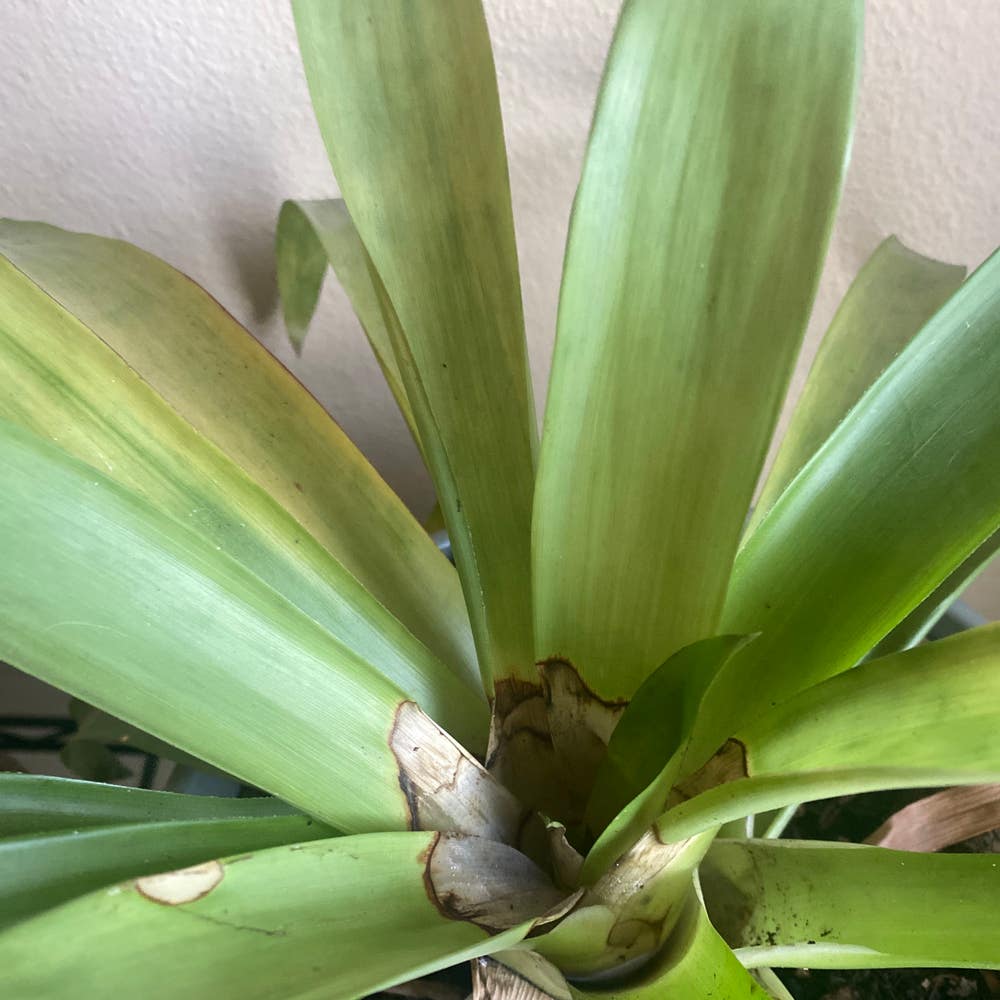
Ultimate Guide to What's Eating Your Neoregelia 'Pop Tart' 🐞
Neoregelia 'Pop Tart'
By the Greg Editorial Team
Oct 02, 2024•7 min read
This article was created with the help of AI so we can cover more plants for you. May contain errors. See one? Report it here.
Safeguard your vibrant Neoregelia 'Pop Tart' 🌈 from herbivores while inviting beneficial pollinators for a flourishing garden!
- 🌈 Neoregelia 'Pop Tart' features vibrant leaves and attracts pollinators with its beautiful flowers.
- 🦌 Common herbivores like deer and rabbits can severely damage your Neoregelia if unchecked.
- 🛡️ Effective deterrents include fencing and repellents to protect your plant from herbivore threats.
Description and Appeal
Appearance and Unique Features 🌈
Neoregelia 'Pop Tart' is a stunning plant known for its vibrant, colorful leaves that form a striking rosette shape. Typically, it grows to about 12-18 inches in height, making it a perfect addition to any garden or indoor space.
Flowering Characteristics 🌸
This plant produces attractive flowers that not only beautify your space but also draw in various animals. The blooms can be a delightful spectacle, adding to the overall charm of the Neoregelia.
Most Appealing Parts to Animals 🐾
The fruits of the Neoregelia are bright and juicy, making them irresistible to herbivores. Their vivid colors signal a tasty treat, attracting a range of animals.
Flowers and Young Shoots 🍭
The flowers offer sweet nectar and vibrant colors, enticing pollinators and other creatures. Additionally, the young shoots are tender and nutritious, making them particularly appealing to various herbivores.
This combination of visual appeal and nutritional value creates a dynamic interaction with the surrounding ecosystem. Understanding these features helps you appreciate the plant's role in attracting both beneficial and harmful animals.
As we delve deeper into the common herbivores that may pose a threat to your Neoregelia, you'll gain insights into how to protect this beautiful plant.
Common Herbivores
🦌 Deer
Signs of Presence and Damage
Look for hoof prints in muddy areas around your Neoregelia 'Pop Tart'. Damage often appears as ragged edges on leaves, indicating browsing that stunts growth.
Interaction Type
Deer are generally harmful to your plants. If left unmanaged, they can decimate populations quickly.
Deterrent Methods
To keep deer at bay, consider using commercial deer repellents. Planting strong-smelling herbs like lavender nearby can also deter them naturally.
🐇 Rabbits
Signs of Presence and Damage
Rabbits leave small, rounded tracks in the soil. Chewed leaves and stems, often cut at a 45-degree angle, signal their presence.
Interaction Type
These critters are generally harmful, significantly reducing plant vigor. Their appetite can lead to noticeable damage over time.
Deterrent Methods
Rabbit repellent sprays can be effective against these pests. Additionally, fencing that stands 2-3 feet high and using predator urine can help keep them away.
🐿️ Squirrels
Signs of Presence and Damage
Squirrels leave small paw prints and often chew on bark. Their gnawing can lead to dieback in leaves and stems.
Interaction Type
Squirrels are generally harmful, disrupting both growth and aesthetics. Their nibbling can create unsightly damage.
Deterrent Methods
Hot pepper spray serves as a chemical deterrent for squirrels. Installing squirrel-proof feeders can distract them from your plants.
🐦 Birds
Signs of Presence and Damage
Look for feathers and droppings near your plant. Pecking at flowers and fruits can lead to reduced yield.
Interaction Type
Birds have mixed interactions with your plants. While some help with pollination, others may cause damage to fruits.
Deterrent Methods
Bird netting acts as a chemical deterrent. For a more organic approach, use scare tactics like reflective tape or wind chimes.
🐭 Rodents (Mice, Voles, etc.)
Signs of Presence and Damage
Rodents leave small, round droppings and burrows near your plant. Their gnawing on roots and stems can lead to instability.
Interaction Type
These pests are generally harmful, causing significant damage to your plants. Their presence can be quite detrimental.
Deterrent Methods
Rodent bait stations serve as a chemical deterrent. Alternatively, planting mint or using traps can help manage their population organically.
🦡 Groundhogs/Woodchucks
Signs of Presence and Damage
Groundhogs leave large paw prints and burrows nearby. They can extensively chew on leaves and stems, often leading to total loss.
Interaction Type
These animals are generally harmful and can devastate small gardens. Their appetite for your plants is insatiable.
Deterrent Methods
Commercial repellents can deter groundhogs effectively. Fencing that stands 3-4 feet high and planting barriers can also provide protection.
Understanding these common herbivores is crucial for maintaining the health of your Neoregelia 'Pop Tart'. By implementing effective deterrent methods, you can protect your plants and enjoy their beauty for years to come.
Beneficial Animals
🐝 Description and Role
When it comes to Neoregelia 'Pop Tart', beneficial animals play a crucial role. Pollinators like bees and butterflies are drawn to its vibrant flowers, ensuring effective pollination.
In addition, predatory insects such as ladybugs and lacewings help keep pest populations in check. Their presence is vital for maintaining a healthy garden ecosystem.
🌱 Positive Impacts
The benefits of these animals extend beyond mere aesthetics. Enhanced pollination leads to better fruit set, which means more vibrant and healthy plants.
Moreover, natural pest control reduces the need for chemical interventions. This not only supports a healthier environment but also promotes sustainable gardening practices.
Understanding these beneficial interactions can inspire you to create a thriving habitat for both your plants and the creatures that support them. By fostering a balanced ecosystem, you can enjoy the beauty of your Neoregelia while minimizing the challenges posed by herbivores.
As we explore protection strategies next, consider how these beneficial animals can be integrated into your overall gardening approach.
Protection Strategies
🛡️ Preventive Measures
Fencing is one of the most effective ways to deter larger herbivores from munching on your Neoregelia 'Pop Tart.' A sturdy barrier, ideally 3-4 feet high, can keep deer and groundhogs at bay.
Companion planting is another smart strategy. By surrounding your plants with species that repel pests or attract beneficial insects, you create a natural defense system that enhances your garden's resilience.
⚠️ Reactive Solutions
Regular monitoring is crucial for early detection of damage. Keep an eye out for signs of herbivore activity, such as tracks or chewed leaves.
When you notice any signs, a quick response is essential. Implement deterrents immediately to minimize damage and protect your plants.
🌱 Ecosystem Balance
Understanding the role of herbivores in the ecosystem can help you maintain a healthy garden. While they can be harmful, they also play a part in the natural balance.
Utilizing integrated pest management (IPM) strategies allows you to manage herbivore interactions effectively. This approach combines various methods to keep your garden thriving while respecting the ecosystem.
By employing these protection strategies, you can enjoy the beauty of your Neoregelia 'Pop Tart' while minimizing the impact of herbivores. Next, let’s explore the seasonal considerations that affect your plant's vulnerability.
Seasonal Considerations
Variations in Attraction 🐾
As the seasons change, so does the behavior of herbivores. In spring, there's a noticeable uptick in activity as these animals eagerly seek out fresh growth, making your Neoregelia 'Pop Tart' particularly appealing.
Come fall, the scenario shifts again. Animals begin foraging more aggressively, preparing for the winter months ahead, which can lead to increased damage to your plants.
Plant Vulnerability 🌱
During these seasonal shifts, young shoots and flowers are at their most vulnerable. Early growth stages are critical, as tender new growth can easily fall prey to hungry herbivores.
Understanding these seasonal patterns can help you anticipate potential threats to your plants. By being proactive, you can better protect your Neoregelia from seasonal herbivore activity.
Toxicity and Safety
Toxic Effects 🌿
Neoregelia 'Pop Tart' exhibits mild toxicity, which can lead to adverse effects on some herbivores if consumed in large quantities. This characteristic can serve as a natural deterrent, helping to protect the plant from excessive grazing.
Implications for Interactions 🐾
It's essential to recognize that while some animals may be deterred by this toxicity, others might not be affected at all. This variability can lead to mixed interactions, making it crucial for gardeners to monitor their plants closely and adapt their protection strategies accordingly.
Understanding these dynamics can help you maintain a healthy balance in your garden, ensuring that your Neoregelia thrives despite the presence of curious critters. As you navigate these challenges, remember that knowledge is your best ally in fostering a vibrant ecosystem.
⚠️ Safety First
This content is for general information and may contain errors, omissions, or outdated details. It is not medical, veterinary advice, or an endorsement of therapeutic claims.
Always consult a qualified healthcare professional before using any plant as food, medicine, or supplement.
Never eat any plant (or feed one to pets) without confirming its identity with at least two trusted sources.
If you suspect poisoning, call Poison Control (800) 222-1222, the Pet Poison Helpline (800) 213-6680, or your local emergency service immediately.
Spotted an error? Please report it here.
Protect your vibrant Neoregelia 'Pop Tart' from hungry herbivores with Greg's custom care tips and monitoring reminders, ensuring your plant thrives in a safe environment! 🌿