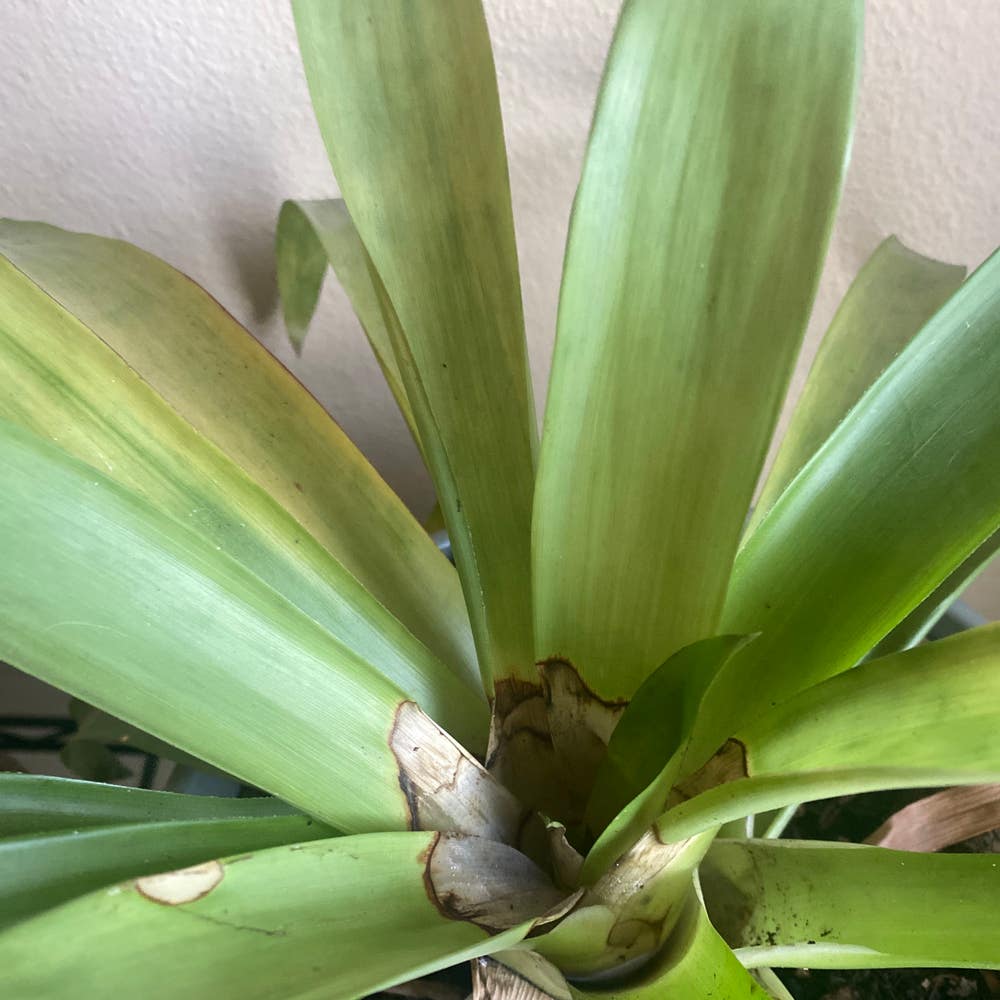
Top 4 Signs Your Neoregelia 'Pop Tart' Has Flower Problems 🥧
Neoregelia 'Pop Tart'
By the Greg Editorial Team
Oct 02, 2024•5 min read
This article was created with the help of AI so we can cover more plants for you. May contain errors. See one? Report it here.
Transform your Neoregelia 'Pop Tart' into a blooming masterpiece 🌼 with these essential care tips for thriving plants!
- 💡 Bright, indirect light is crucial for Neoregelia 'Pop Tart' to bloom effectively.
- 💧 Overwatering or underwatering can stress the plant and hinder flower development.
- 🌱 Essential nutrients like nitrogen and potassium are vital for healthy blooms.
Failure to Bloom
🌞 Causes
Insufficient Light
Neoregelia 'Pop Tart' thrives in bright, indirect light. If your plant's leaves are pale or elongated, it’s a clear sign it's not getting enough light.
Improper Watering
Watering issues can be detrimental. Overwatering may cause root rot, while underwatering can stress your plant and prevent blooming.
Nutrient Deficiencies
Essential nutrients like nitrogen, phosphorus, and potassium are crucial for flower development. A lack of these can significantly hinder your plant's ability to bloom.
💡 Solutions
Adjusting Light Exposure
To remedy light issues, move your plant to a brighter spot with filtered sunlight. If natural light is scarce, consider using grow lights to boost its exposure.
Optimizing Watering Schedule
Check the top inch of soil; if it feels dry, it’s time to water. Ensure your pot has proper drainage to prevent waterlogging.
Fertilization Tips
During the growing season, use a balanced bromeliad fertilizer. Follow the package instructions for the best results, ensuring your plant gets the nutrients it needs.
By addressing these common causes and implementing effective solutions, you can help your Neoregelia 'Pop Tart' thrive and bloom beautifully. Next, let’s explore the issue of premature flower drop and how to tackle it effectively.
Premature Flower Drop
🌪️ Causes
Stress Factors
Premature flower drop in your Neoregelia 'Pop Tart' can often be traced back to stress factors. Environmental changes, such as temperature fluctuations and sudden shifts in humidity, can significantly impact your plant's ability to hold onto its blooms.
Pest Infestations
Pest infestations are another common culprit. Pests like mealybugs and aphids can weaken your plant, leading to bud drop and diminished flower quality.
🛠️ Solutions
Identifying Stressors
To combat premature flower drop, start by identifying stressors in your plant's environment. Monitor conditions closely and aim for stability; gradually acclimate your plant to any changes to minimize shock.
Pest Control Methods
For pest issues, proactive measures are key. Use insecticidal soap or neem oil to treat infestations, and make it a habit to regularly inspect your plant for early signs of trouble.
Maintaining Stable Conditions
Finally, maintaining stable conditions is crucial. Keep humidity levels consistent, ideally between 50-70%, and avoid placing your plant near drafts or heat sources that could disrupt its environment.
By addressing these factors, you can help ensure your Neoregelia 'Pop Tart' thrives and produces beautiful blooms. Next, let’s explore abnormal flower development and what you can do to encourage healthy growth.
Abnormal Flower Development
🎭 Causes
Genetic Factors
Some Neoregelia 'Pop Tart' hybrids come with unique traits that can impact bloom quality. Understanding these genetic quirks is crucial for setting realistic expectations.
Nutrient Imbalances
Both excess and deficiency of nutrients can lead to malformed flowers. Key nutrients like nitrogen, phosphorus, and potassium must be balanced for optimal blooming.
Improper Pruning
Incorrect pruning techniques can damage flower buds or stunt growth. Knowing how to prune effectively is essential for encouraging healthy blooms.
🛠️ Solutions
Understanding Genetic Traits
Researching the specific characteristics of your hybrid can help you manage your expectations. This knowledge empowers you to appreciate your plant's unique beauty.
Correcting Nutrient Ratios
Conducting a soil test is a smart move to identify nutrient levels. Adjust your fertilization strategy based on the results to ensure your plant gets what it needs.
Pruning Techniques
Focus on pruning dead or damaged leaves to promote new growth. Avoid excessive pruning during blooming to prevent disrupting the flowering process.
By addressing these factors, you can enhance the blooming potential of your Neoregelia 'Pop Tart.' Next, let’s explore how environmental factors play a crucial role in flowering.
Impact of Environmental Factors on Flowering
💡 Light Requirements
Importance of Light for Blooming
Light is crucial for your Neoregelia 'Pop Tart' to thrive and bloom. Without adequate light, the plant struggles to initiate its bloom cycle, leading to disappointing flower development.
Signs of Inadequate Light
If your plant is not getting enough light, you'll notice signs like leggy growth and faded leaf colors. These symptoms indicate that it's time to reassess its lighting conditions.
🌱 Nutritional Needs
Essential Nutrients for Flowering
Your plant needs specific nutrients to flourish. Key players include nitrogen for lush foliage, phosphorus for vibrant blooms, and potassium for overall health.
Recommended Fertilizers and Application Methods
To meet these nutritional needs, opt for a slow-release fertilizer designed for bromeliads. Apply it during the growing season to ensure your plant gets the nutrients it craves.
✂️ Pruning Techniques
How Pruning Affects Flower Development
Pruning is more than just a maintenance task; it can significantly impact flower development. Proper pruning encourages new growth and enhances air circulation, which is vital for healthy blooms.
Best Practices for Pruning
When pruning, always use clean, sharp tools to prevent disease. Focus on removing only dead or damaged leaves to keep your plant in top shape without risking flower spikes.
Understanding these environmental factors can make a world of difference in your Neoregelia's flowering success. With the right light, nutrients, and pruning techniques, you can help your plant reach its full blooming potential. Next, let’s explore how to troubleshoot common flower problems.
⚠️ Safety First
This content is for general information and may contain errors, omissions, or outdated details. It is not medical, veterinary advice, or an endorsement of therapeutic claims.
Always consult a qualified healthcare professional before using any plant as food, medicine, or supplement.
Never eat any plant (or feed one to pets) without confirming its identity with at least two trusted sources.
If you suspect poisoning, call Poison Control (800) 222-1222, the Pet Poison Helpline (800) 213-6680, or your local emergency service immediately.
Spotted an error? Please report it here.
Keep your Neoregelia 'Pop Tart' blooming beautifully 🌸 by using Greg's tailored care reminders to optimize light, watering, and nutrients for vibrant flowers!