How Frequently Should I Water My Neoregelia 'Pop Tart'?
Neoregelia 'Pop Tart'
By the Greg Editorial Team
Apr 28, 2024•3 min read
This article was created with the help of AI so we can cover more plants for you. May contain errors. See one? Report it here.
Nail the watering sweet spot for a luscious Neoregelia 'Pop Tart'—your plant's life depends on it! 🌺💦
- Seasonal watering is key: more in summer, less in winter.
- Thorough watering: until it drains out, mimicking tropical rain.
- Drainage and soil matter: use well-draining mix and terracotta pots.
When to Water Your 'Pop Tart'
💧 Spotting Thirsty 'Pop Tart' Signs
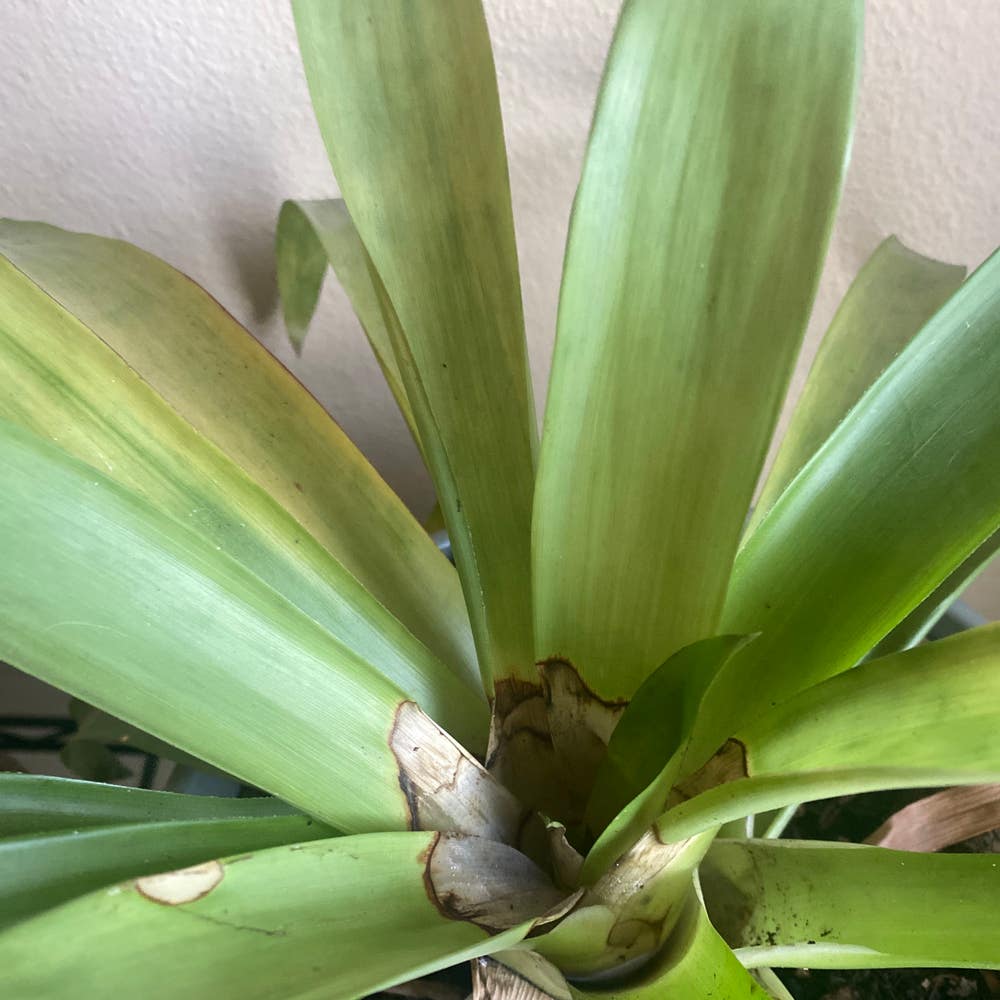
Your Neoregelia 'Pop Tart' has a non-verbal way of saying, "I'm thirsty!" Look for leaves that are less vibrant and have a tired appearance. If the center cup runs dry or the soil feels like a bone at the first knuckle's depth, it's time to reach for the watering can.
🌦 Seasonal Watering Shifts
Seasons change, and so does your 'Pop Tart's' need for water. During the summer blaze, it's likely to guzzle more to keep cool. Come winter, it's more about sipping than chugging—overwatering can lead to a soggy demise. Adjust your routine with the thermometer, not the calendar.
Perfecting Your Watering Technique
💦 The Right Amount of H2O
To ensure your Neoregelia 'Pop Tart' thrives, water thoroughly until it escapes from the drainage holes. This mimics a tropical downpour, which these plants adore. After the deluge, allow the pot to drain completely; a Neoregelia sitting in water is a Neoregelia heading for trouble. Moisture meters can be your ally here, taking the guesswork out of the equation.
💧 Watering Do's and Don'ts
Water temperature is crucial—aim for lukewarm to match the ambient conditions of your 'Pop Tart'. If your tap water is a miniature chemical plant, let it sit to evaporate the nasties or use rainwater for that extra touch of care. When it comes to technique, think of watering as a ritual; soak the soil, then give it space to breathe. Avoid a set schedule; your 'Pop Tart' isn't a train that needs to run on time. Instead, use the touch test: dry an inch down means it's time for a drink. Remember, overwatering is the express lane to root rot, while underwatering leaves your plant gasping for moisture. Balance is key.
The Impact of Your Home Environment
🌞 Light and Temperature: The Watering Game Changers
Bright light and warm temperatures increase your Neoregelia 'Pop Tart's' thirst. Dim conditions and cool temperatures signal a reduction in watering frequency. Monitor these factors closely to prevent underwatering or overwatering.
💧 Humidity's Role in Hydration
Humidity is the stealth factor in your plant's hydration equation. High humidity can lower the need for water, while low humidity suggests more frequent watering. Use tools like humidifiers or pebble trays to maintain a stable environment, and remember to adjust your watering routine to the humidity levels in your home.
Tailoring the Terrain: Potting and Soil
🌱 Choosing the Right Soil Mix
Soil selection isn't just about grabbing a bag off the shelf; it's a strategic decision. Your Neoregelia 'Pop Tart' craves a mix that's well-draining yet retains enough moisture to quench its thirst. Opt for a blend that includes peat, perlite, and coarse sand. This trio works like a charm, keeping the soil light and airy, allowing roots to breathe and preventing water from overstaying its welcome.
🚰 Drainage: The Unsung Hero
When it comes to pots, drainage holes are your plant's lifeline. They're the difference between a healthy 'Pop Tart' and a waterlogged mess. Terracotta pots are the MVP here, offering breathability that plastic just can't match. They help the soil dry out more evenly, reducing the risk of root rot. Remember, a pot without holes is like a ship without a lifeboat—just asking for trouble.
⚠️ Safety First
This content is for general information and may contain errors, omissions, or outdated details. It is not medical, veterinary advice, or an endorsement of therapeutic claims.
Always consult a qualified healthcare professional before using any plant as food, medicine, or supplement.
Never eat any plant (or feed one to pets) without confirming its identity with at least two trusted sources.
If you suspect poisoning, call Poison Control (800) 222-1222, the Pet Poison Helpline (800) 213-6680, or your local emergency service immediately.
Spotted an error? Please report it here.
Nurture your Neoregelia 'Pop Tart' 🌱 effortlessly with Greg's adaptive watering reminders, tailored to your home's unique seasons and conditions.