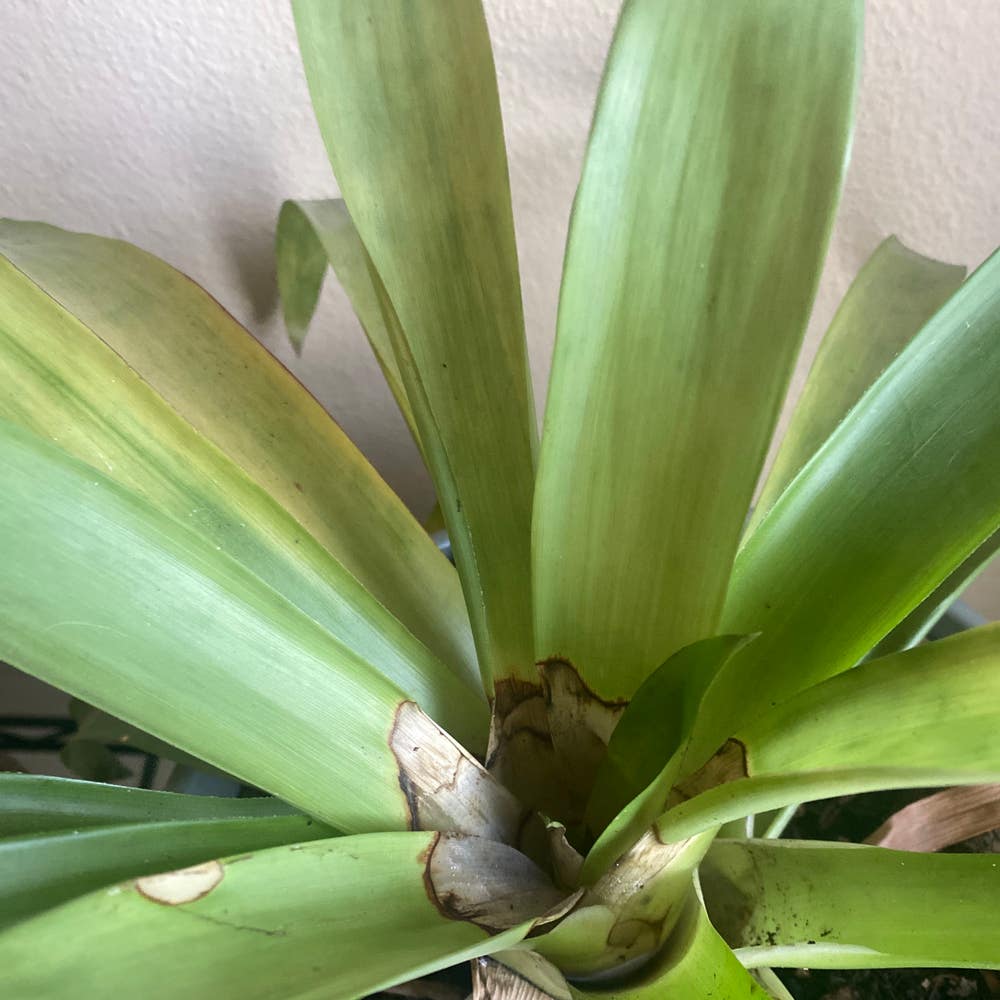
🍰 Understanding Why Your Neoregelia 'Pop Tart' Is Wiling
Neoregelia 'Pop Tart'
By the Greg Editorial Team
Oct 02, 2024•5 min read
This article was created with the help of AI so we can cover more plants for you. May contain errors. See one? Report it here.
Transform your wilting Neoregelia 'Pop Tart' 🌱 into a thriving beauty with essential care tips and tricks!
- 💧 Wilting leaves indicate water stress; ensure consistent moisture in the central cup.
- ☀️ Heat stress causes wilting; monitor light exposure and relocate to shade if needed.
- 🌱 Inspect for diseases like root rot if wilting persists despite proper care.
Common Causes of Wilting Leaves
💧 Water Stress
Wilting leaves on your Neoregelia 'Pop Tart' often signal water stress. Symptoms include drooping, curling, or crispy leaves, indicating that your plant isn't getting the moisture it needs.
Inconsistent watering or insufficient moisture in the central cup are common culprits. Maintaining consistent moisture levels is crucial for keeping your plant healthy and vibrant.
🔥 Heat Stress
Heat stress can also lead to wilting. If you notice scorched or bleached leaves, your plant might be getting too much direct sunlight or exposed to high temperatures.
Monitoring temperature and light exposure is essential. A little shade can go a long way in protecting your Neoregelia from the harsh sun.
🦠 Disease-Related Wilting
While less common, disease-related wilting can occur. Look for yellowing leaves or a mushy texture, which may indicate fungal infections or root rot.
However, it's important to emphasize that pathogenic wilt is unlikely to be the primary cause in Neoregelia 'Pop Tart'. Regular checks can help you catch any issues early on.
Diagnosing Wilting
🕵️♂️ Step-by-Step Guide to Diagnose Wilting
Diagnosing wilting in your Neoregelia 'Pop Tart' involves a systematic approach. Start by inspecting the plant's environment; check humidity, temperature, and light conditions.
Next, examine the leaves closely. Look for signs of water stress, such as dryness, or heat stress, indicated by scorching.
Assess the central cup of the plant. Ensure it has adequate water and isn't stagnant, as this can lead to further issues.
Finally, check the roots. Gently remove the plant from its pot to inspect for any signs of rot or damage.
🔍 Signs to Look For
Pay attention to color changes in the leaves. Yellowing or browning tips can signal underlying problems.
Texture changes are also crucial. Leaves that feel soft or crispy may indicate stress.
Observe growth patterns as well. Stunted growth or abnormal leaf formation can be red flags that your plant needs immediate attention.
By following these steps, you can effectively diagnose the cause of wilting and take appropriate action to revive your plant.
Solutions for Wilting Leaves
🌊 Addressing Water Stress
To combat water stress, first adjust your watering schedule. Aim for consistent moisture without creating soggy conditions.
Consider using the bottom watering technique. By filling the central cup with water, you allow the plant to absorb moisture naturally.
Using well-draining soil is crucial. This prevents water from pooling and helps maintain the right moisture balance.
🔥 Managing Heat Stress
If your Neoregelia 'Pop Tart' is wilting due to heat stress, relocating the plant is essential. Move it to a shadier spot to shield it from direct sunlight.
Humidity trays can also help. They increase the ambient humidity around the plant, creating a more favorable environment.
Keep an eye on temperature. Ideally, it should stay between 65°F to 80°F (18°C to 27°C) for optimal growth.
🦠 Solutions for Disease-Related Wilting
For disease-related wilting, start by identifying root rot. If you find affected roots, remove them and repot the plant in fresh, sterile soil.
In some cases, using fungicides may be necessary. Always follow the label instructions for safe and effective application.
🌱 Techniques for Reviving a Wilted Plant
Reviving a wilted plant can be straightforward. Use the bottom watering method again by filling the central cup to help restore moisture.
Consider temporarily relocating the plant to a more stable environment. This can help it recover from stress.
Lastly, prune any damaged leaves. Removing severely wilted or dead foliage encourages new growth and revitalizes the plant.
By addressing these issues promptly, you can help your Neoregelia 'Pop Tart' thrive once more. Next, let’s explore preventive measures to keep your plant healthy and vibrant.
Preventive Measures
Best Practices to Minimize Future Wilting 🌱
To keep your Neoregelia 'Pop Tart' thriving, regularly check moisture levels. A moisture meter can help you gauge when it's time to water, ensuring your plant stays hydrated without overdoing it.
Consistency is key. Maintain stable environmental conditions by avoiding sudden changes in humidity or temperature, which can stress your plant.
Environmental Conditions to Monitor 🌡️
Humidity plays a crucial role in your plant's health. Aim for 50-70% relative humidity to create a comfortable atmosphere for your Neoregelia.
Temperature fluctuations can be detrimental. Keep your plant away from drafts or heat sources to maintain a steady climate, promoting optimal growth and reducing the risk of wilting.
By implementing these preventive measures, you can significantly enhance your plant's resilience against wilting. This proactive approach not only nurtures your Neoregelia but also deepens your connection with this vibrant, tropical beauty.
Next, let’s explore the unique characteristics of Neoregelia 'Pop Tart' and how they influence its care.
Unique Characteristics
Growth Habits and Sensitivity 🌱
Neoregelia 'Pop Tart' flourishes in humid, tropical environments, reflecting its natural habitat. This vibrant plant thrives on consistent moisture and warmth, making it essential to replicate these conditions at home.
Vulnerability to Environmental Changes 🌬️
While stunning, 'Pop Tart' is sensitive to fluctuations in humidity and temperature. A stable environment is crucial for optimal growth, so keep an eye on those conditions to ensure your plant remains healthy and vibrant.
Creating the right atmosphere can make all the difference in nurturing this unique bromeliad. By understanding its needs, you can enjoy a thriving plant that adds beauty to your space.
Next, let’s explore when it’s time to seek expert help for your wilting Neoregelia.
When to Seek Help
🚨 Signs Indicating the Need for Expert Advice
If your Neoregelia 'Pop Tart' continues to wilt despite your best efforts, it may be time to consult an expert. Persistent wilting can indicate underlying issues that simple adjustments won't fix.
Look for signs of severe disease or pest infestation. Yellowing leaves, unusual spots, or visible pests are red flags that require immediate attention.
🌐 Resources for Assistance
Local nurseries specializing in bromeliads can be invaluable resources. They often have knowledgeable staff who can provide tailored advice for your specific situation.
Online platforms like Greg offer community support and expert insights. Engaging with fellow plant enthusiasts can help you troubleshoot and find solutions that work.
⚠️ Safety First
This content is for general information and may contain errors, omissions, or outdated details. It is not medical, veterinary advice, or an endorsement of therapeutic claims.
Always consult a qualified healthcare professional before using any plant as food, medicine, or supplement.
Never eat any plant (or feed one to pets) without confirming its identity with at least two trusted sources.
If you suspect poisoning, call Poison Control (800) 222-1222, the Pet Poison Helpline (800) 213-6680, or your local emergency service immediately.
Spotted an error? Please report it here.
Revive your Neoregelia 'Pop Tart' from wilting woes with Greg's tailored care tips 🌱, ensuring consistent moisture and the perfect environment for vibrant growth!