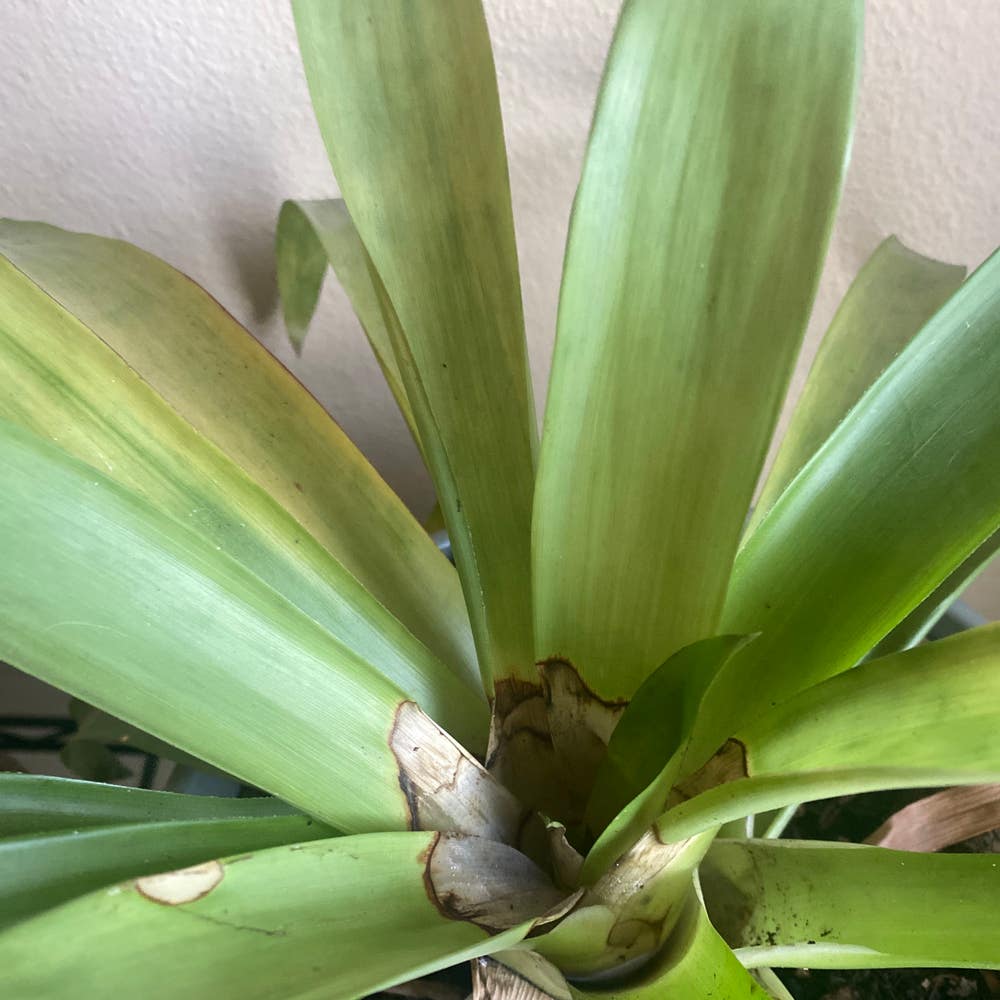
🍰 All About Your Neoregelia 'Pop Tart''s Roots
Neoregelia 'Pop Tart'
By the Greg Editorial Team
Oct 02, 2024•5 min read
This article was created with the help of AI so we can cover more plants for you. May contain errors. See one? Report it here.
Master Neoregelia 'Pop Tart' root care 🌱 to ensure vibrant growth and stunning blooms in your garden!
- 🌱 Neoregelia 'Pop Tart' has a fibrous root system for efficient nutrient absorption.
- 💧 Proper watering is crucial; overwatering can lead to root rot and plant stress.
- 🌿 Healthy roots are key for propagation and overall plant vitality.
Root System Characteristics
Type of Root System 🌱
Neoregelia 'Pop Tart' features a fibrous root system, characterized by shallow roots that spread horizontally. This design is an adaptation that allows the plant to efficiently absorb nutrients and water from well-draining substrates.
Specific Characteristics 🌿
The roots of this plant are fine and delicate, making them particularly sensitive to overwatering. This sensitivity is crucial, as a healthy root system directly influences the overall stability and vigor of the plant.
Understanding these root characteristics can help you provide the best care for your Neoregelia 'Pop Tart'. Next, we’ll explore how the depth and spread of these roots affect their growth patterns.
Root Depth, Spread, and Growth Patterns
🌱 Typical Root Depth and Spread
Neoregelia plants typically develop a root depth of about 6 to 12 inches. In optimal conditions, their roots can spread horizontally up to 18 inches, allowing them to efficiently absorb nutrients and water.
📈 Growth Patterns
The size of the pot significantly influences root development. A larger pot provides more space for roots to grow, promoting healthier plants.
Environmental factors also play a crucial role in root growth. Humidity and temperature can affect how well roots expand and thrive.
Seasonal changes impact root expansion as well. During the growing season, roots tend to grow more actively, while in cooler months, growth may slow down.
Understanding these growth patterns helps you create the best environment for your Neoregelia. By providing adequate space and optimal conditions, you can support robust root development, leading to a healthier plant overall.
Next, we’ll explore how to care for your Neoregelia’s roots through proper watering, fertilizing, and transplanting techniques.
Watering, Fertilizing, and Transplanting
💧 Watering Neoregelia
Neoregelia's fibrous root system significantly influences its watering needs. These shallow roots thrive in consistently moist substrates, but be careful not to overwater; soggy soil can lead to root rot.
To maintain ideal moisture levels, use distilled or rainwater. This ensures that your plant receives the best quality hydration without harmful chemicals.
🌱 Fertilizing Techniques
Fertilization is crucial for promoting root health in Neoregelia. Opt for balanced, water-soluble fertilizers that provide essential nutrients.
Apply fertilizer every 4-6 weeks during the growing season to support robust growth. This routine helps your plant flourish and maintain vibrant foliage.
🌿 Transplanting Best Practices
Timing is key when transplanting Neoregelia. The best periods are early spring or right after blooming, allowing the plant to adjust with minimal stress.
Follow these steps for a successful transplant:
- Prepare a new pot with well-draining substrate.
- Gently remove the plant from its current pot.
- Inspect and trim any damaged roots.
- Place the plant in the new pot and water lightly.
By following these guidelines, you can ensure your Neoregelia remains healthy and vibrant. Proper care during watering, fertilizing, and transplanting sets the stage for a thriving plant.
Next, let’s explore common root-related issues that can affect your Neoregelia’s health.
Common Root-Related Issues
🦠 Identifying Root Rot and Other Diseases
Root rot is a sneaky adversary for your Neoregelia. Watch for symptoms like wilting, yellowing leaves, and a foul odor emanating from the soil.
Other diseases can also plague your plant, such as fungal infections that thrive in overly moist conditions. Keeping an eye on these signs can save your plant from serious damage.
🛡️ Preventative Measures
Prevention is your best defense against root issues. Start with well-draining substrates to ensure excess water doesn’t linger around the roots.
Regularly inspecting root health during watering is crucial. This simple habit can help you catch problems before they escalate.
⚙️ Solutions for Root Problems
If you do encounter root rot, don’t panic. Begin by removing any affected roots and repotting your Neoregelia in fresh, dry substrate.
For ongoing care, consider these preventative tips: avoid overwatering and ensure your plant has adequate airflow. These practices will help keep root diseases at bay, allowing your plant to thrive.
With these insights, you’re better equipped to maintain a healthy root system for your Neoregelia. Next, let’s explore how to recognize and address rootbound conditions.
Indicators of Root Health and Propagation
👀 Visual Cues for Healthy vs. Unhealthy Roots
Identifying root health is crucial for the vitality of your Neoregelia 'Pop Tart'. Healthy roots are firm and exhibit a white or light tan color, indicating they are thriving.
Conversely, unhealthy roots present as dark, mushy, or foul-smelling. These signs often point to issues like overwatering or root rot, which can jeopardize your plant's health.
🌱 Importance of Root Health in Propagation
Healthy roots play a pivotal role in successful propagation. When roots are robust, they can better support new growth and help the plant adapt to its new environment.
To propagate your Neoregelia, follow these steps:
- Remove the plant from its pot.
- Identify offsets or pups for division.
- Cut cleanly with sterilized tools.
- Replant in separate pots with appropriate substrate.
After propagation, care is essential. Maintain humidity and avoid direct sunlight to help your new plants establish themselves.
Understanding these indicators and techniques will empower you to nurture your Neoregelia effectively. With healthy roots, your propagation efforts can flourish, leading to a vibrant collection of plants.
Next, we’ll explore how to recognize and address rootbound conditions, ensuring your plants continue to thrive.
Recognizing and Addressing Rootbound Conditions
🌱 Definition and Signs of Rootbound Conditions
Rootbound conditions occur when a plant's roots circle the pot, indicating limited growth space. You'll notice visual signs like roots emerging from drainage holes and stunted growth, which signal that your Neoregelia needs attention.
🛠️ When and How to Address Rootbound Issues
It's essential to intervene every 1-2 years or whenever you spot these signs. Here’s how to alleviate rootbound conditions effectively:
- Remove the plant from its pot.
- Gently tease apart the roots to encourage spreading.
- Repot in a larger container filled with fresh substrate.
By addressing rootbound issues promptly, you can ensure your Neoregelia continues to thrive and grow. This proactive care not only enhances the plant's health but also enriches your gardening experience.
⚠️ Safety First
This content is for general information and may contain errors, omissions, or outdated details. It is not medical, veterinary advice, or an endorsement of therapeutic claims.
Always consult a qualified healthcare professional before using any plant as food, medicine, or supplement.
Never eat any plant (or feed one to pets) without confirming its identity with at least two trusted sources.
If you suspect poisoning, call Poison Control (800) 222-1222, the Pet Poison Helpline (800) 213-6680, or your local emergency service immediately.
Spotted an error? Please report it here.
Unlock the secret to your Neoregelia 'Pop Tart's' root health with Greg's custom watering alerts 💧, ensuring your plant gets just the right amount of moisture for vibrant growth!