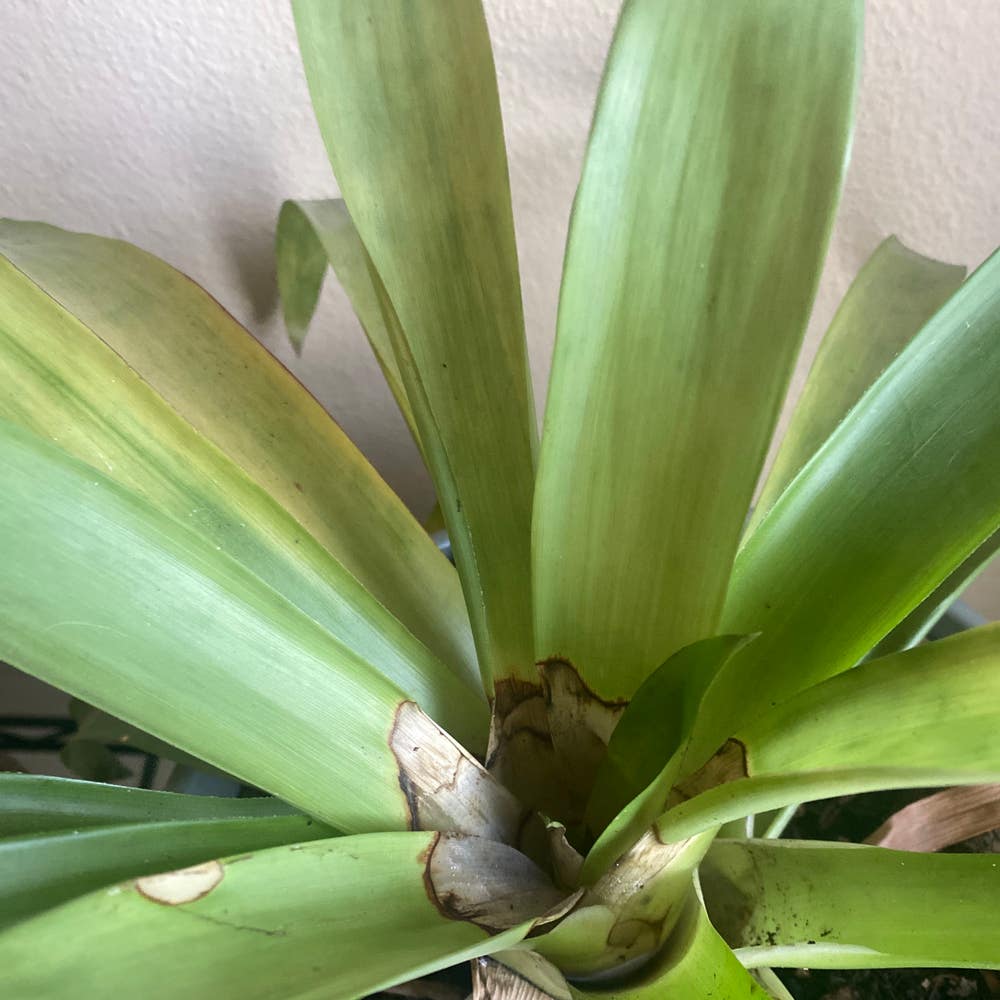
How to Propagate Your Neoregelia 'Pop Tart'
Neoregelia 'Pop Tart'
By the Greg Editorial Team
Apr 28, 2024•5 min read
This article was created with the help of AI so we can cover more plants for you. May contain errors. See one? Report it here.
Grow your own vibrant Neoregelia 'Pop Tart' collection with these foolproof propagation tips! 🌱✨
- Offsets ensure success, resembling the parent before planting.
- 🍃 Leaf cuttings thrive with callusing and indirect light.
- 🌱 Consistent care post-propagation; watch for pests and diseases.
Kickstarting Propagation: Offsets Division
🌱 Spotting and Harvesting Offsets
In the propagation arena, offsets are your Neoregelia 'Pop Tart' apprentices, ready to branch out. Spot these pups when they've got a healthy chunkiness, mirroring the parent plant in miniature. To harvest, wiggle them free with a twist of confidence. If they're stubborn, a sterilized snip will do the trick, but be gentle—think precision, not hacking.
🌿 Prepping Offsets for Success
Once liberated, give your offsets a breather; let them callus over for a day or two to prevent rot. This is like a short spa retreat for plants, prepping them for the soil life ahead. Ensure they have a few roots each—these are their lifelines.
🌱 Planting and Initial Care
Plant your offsets in a mix that drains faster than a sink in a spy movie. Nestle them in just enough to feel secure, but not so deep they're smothered. Water with a light touch—overzealous hydration is the enemy here. Place them in a spot where the sun is a gentle friend, not a scorching foe. Keep an eagle eye out for pests; they love a fresh plant buffet.
Leaf Cuttings: A Step-by-Step Guide
🍃 Choosing Your Champion Leaves
Selecting the right leaves is crucial for propagation. Look for leaves that are plump, vibrant, and free of blemishes or pests. These are your propagation MVPs. Ensure they're healthy, as they'll need to endure the journey from cutting to full plant.
🌱 Rooting Your Cuttings
After selecting your leaves, let them callus over for a day or two; this is like their armor against rot. When it's time to root, choose soil that's well-draining yet retains moisture like a sponge. Consider using a rooting hormone to encourage quicker root development. Patience is key here; roots take time to appear.
🌿 The First Signs of Growth
Keep an eye out for new shoots, the first sign your propagation efforts are paying off. Provide your cuttings with bright, indirect light and water sparingly—overwatering is the enemy. When you spot growth, it's a small victory in the propagation marathon.
Going the Seed Route
🌱 From Seed to Sprout
Collecting Neoregelia 'Pop Tart' seeds requires a keen eye; they're tiny and easy to miss. Once you've got them, it's germination time. Pre-moisten your seed-starting mix to create a welcoming bed for your seeds. They should be sown on the surface, with just a whisper of soil to cover them. Consistent warmth is crucial—think top of the fridge or a seed-starting mat. Keep the soil damp but not soggy; overzealous watering is the fast track to seedling demise.
🌱 Creating the Perfect Seedling Nursery
Your seedlings' first home should be a mini greenhouse. A simple plastic container or bag can create a humidity haven. Sterile potting soil and seedling trays are your best friends here. Once those green shoots appear, it's time to gradually reduce humidity. This tough love prepares them for the real world. When they're sturdy, give them individual pots and let them bask in adequate light—not direct sunburn territory, but enough to avoid the dreaded legginess.
After Propagation: Ensuring Your 'Pop Tart' Thrives
🌱 The Right Environment for New Plants
Creating the ideal environment for your Neoregelia 'Pop Tart' after propagation is like setting up a nursery for a newborn. Consistent conditions are crucial. Keep the young plants in bright, indirect light to avoid the harshness of direct sunlight that could scorch their delicate leaves. Maintain a humidity level that mimics their native tropical habitat; think about using a humidity tray or a room humidifier. As for temperature, aim for a steady range that's warm but not hot, avoiding any sudden drops or spikes that could shock the plants.
🌿 Post-Propagation Care
Watering your 'Pop Tart' is a delicate dance—too much, and you risk root rot, too little, and they'll dehydrate. Let the soil surface dry slightly between waterings, ensuring you're not leaving the roots soggy. When it comes to feeding, hold off on the fertilizer for the first few weeks to let the plants settle. Once they're established, a balanced, water-soluble fertilizer monthly will suffice. Remember, it's about nutritional balance, not a feast. Keep a vigilant eye out for pests or signs of disease; early detection means easier management. As the plants grow, rotate them to ensure even growth and prevent them from leaning towards the light source. With these care tips, your propagated 'Pop Tart' is set to thrive.
Propagation Pitfalls: Troubleshooting Tips
🌊 Common Setbacks and Solutions
In the trenches of propagation, setbacks are as common as dirt. Here's how to tackle them head-on.
🚰 Underwatering and Overwatering
Underwatering turns your plants into a sad, shriveled mess. Touch the soil; if it's dry, it's time to hydrate. Overwatering, on the other hand, can drown your plant's dreams faster than a monsoon. Check for soggy soil and dial back on the H2O.
🌡️ Temperature Tantrums
Your Neoregelia 'Pop Tart' might throw a fit with temperature swings. Keep the thermometer steady to avoid shocking your plant babies.
🐜 Pest Patrol
Pests are the ultimate party crashers. Spot them early and show them the door with insecticidal soap or neem oil.
🌞 Light Levels
Too much light and your plants crisp up; too little and they're reaching for the stars. Aim for that sweet spot of bright, indirect light.
🍄 Fungal Foes
Fungal infections can sneak in like a thief in the night. Promote good airflow and keep humidity in check to keep these culprits at bay.
When to Seek Help
Sometimes, you need to tag in a pro. If your plants are more wilt than wow, and you've tried all the tricks, it's time to seek expert advice. Remember, asking for help isn't defeat; it's a strategic retreat to come back stronger.
⚠️ Safety First
This content is for general information and may contain errors, omissions, or outdated details. It is not medical, veterinary advice, or an endorsement of therapeutic claims.
Always consult a qualified healthcare professional before using any plant as food, medicine, or supplement.
Never eat any plant (or feed one to pets) without confirming its identity with at least two trusted sources.
If you suspect poisoning, call Poison Control (800) 222-1222, the Pet Poison Helpline (800) 213-6680, or your local emergency service immediately.
Spotted an error? Please report it here.
Ensure your Neoregelia 'Pop Tart' offsets thrive by using Greg's 🌱 custom care plans for watering and environmental monitoring, making propagation a breeze!