Fertilizing My Neoregelia 'Pop Tart'
Neoregelia 'Pop Tart'
By the Greg Editorial Team
Apr 28, 2024•4 min read
This article was created with the help of AI so we can cover more plants for you. May contain errors. See one? Report it here.
Nourish your Neoregelia 'Pop Tart' to vibrant perfection 🌈, avoiding over-fertilization pitfalls with our expert guide.
- Balanced NPK ratio (1:1:1 or 1:1.5:2) is key for 'Pop Tart' vibrancy.
- Fertilize monthly in spring/summer; dilute to half-strength or less.
- Spot over-fertilization early to prevent leaf damage and soil issues.
Picking the Perfect Fertilizer for Your 'Pop Tart'
💡 Understanding the NPK Ratio
For your Neoregelia 'Pop Tart', balance is key. An NPK ratio of 1:1:1 or 1:1.5:2 is ideal, ensuring that nitrogen doesn't overshadow the vibrant foliage colors. Remember, excessive nitrogen can lead to weak, elongated leaves and may hinder the development of those sought-after hues.
🍽️ Organic vs. Synthetic Options
When it comes to organic versus synthetic fertilizers, think of it as a choice between a steady diet and a quick snack. Organics release nutrients slowly, fostering a healthy soil ecosystem. Synthetics provide a rapid nutrient boost, which can be great for a quick color display but use with caution to avoid over-fertilization.
Timing is Everything: When to Fertilize
⏰ Growth vs. Dormancy
Neoregelia 'Pop Tart' has its active and resting phases. During the growth period, typically spring and summer, it's all systems go. This is when the plant is most hungry for nutrients. As the days shorten and temperatures drop, your 'Pop Tart' will slow down, signaling the start of its dormancy phase. This is the plant's way of saying, "I'm good on food, thanks."
📅 Seasonal Fertilization Schedule
Spring is your starting line. As the 'Pop Tart' shakes off the winter chill and new growth appears, it's time to fertilize. Monthly applications of a balanced fertilizer are ideal during this period. Once summer hits, you can maintain this schedule, but always keep an eye on the plant's response. If it's thriving, you're on the right track. As fall approaches, start to ease off the gas. Reduce the frequency of fertilization as the plant prepares to enter dormancy. By winter, it's time for a full stop—think of it as giving your plant a rest from its nutrient workout. Remember, these are more guidelines than gospel; adjust based on your 'Pop Tart's' performance.
The Art of Application: How to Fertilize Properly
🌱 Dilution Dos and Don'ts
Dilution is not just a suggestion; it's the cornerstone of fertilizing Neoregelia 'Pop Tart'. Over-concentrated solutions can lead to root burn and foliage damage, stunting your plant's vibrant potential. Aim for a half-strength mix, or even less, to err on the side of caution. Remember, it's easier to add more later than to fix an overfed plant.
🌿 Soil vs. Central Cup Fertilization
When it comes to Neoregelia 'Pop Tart', location matters. Soil application ensures nutrients reach the roots without damaging the foliage. Think of it as a stealthy nutrient delivery. Alternatively, using the central cup can mimic natural rainfall, but be wary of stagnation and rot. Whichever method you choose, consistency is key. Apply evenly, avoid clumps, and always follow up with a gentle watering to help the nutrients settle in.
Recognizing and Rescuing from Over-Fertilization
🚨 Spotting the Telltale Signs
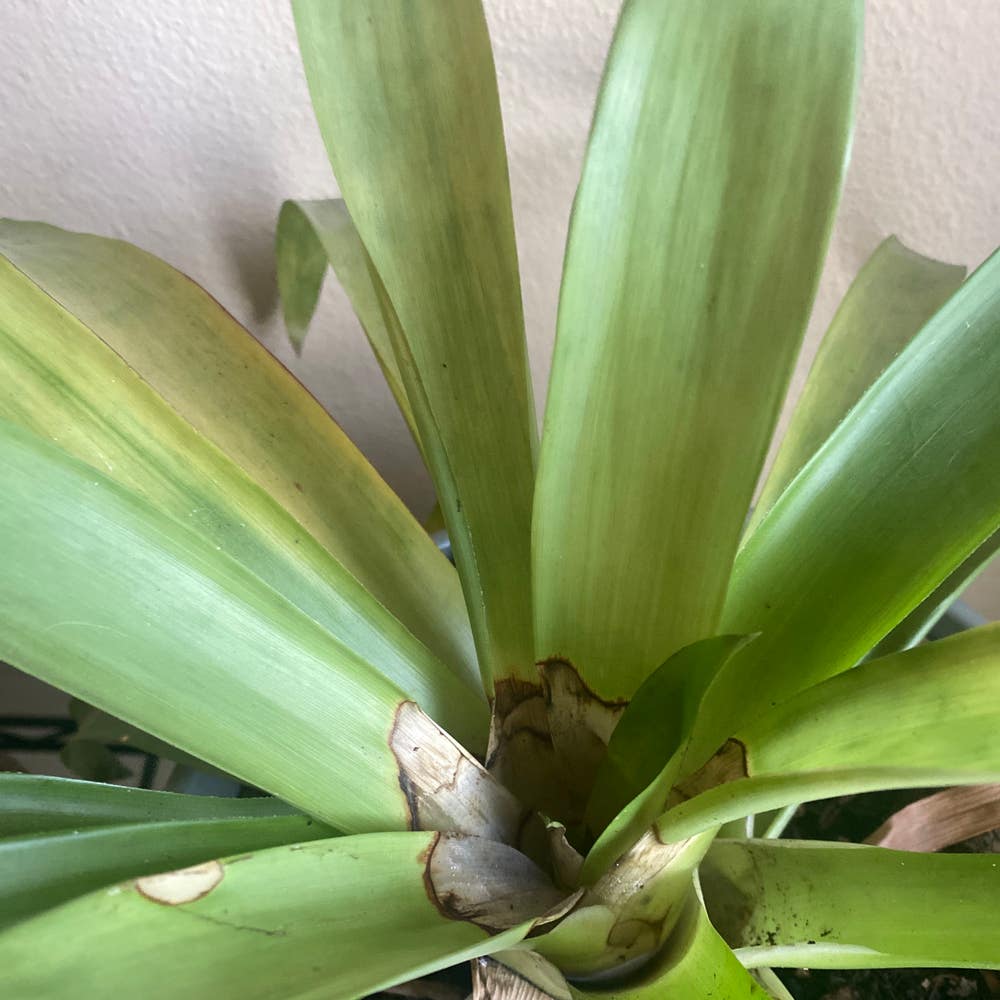
Leaf discoloration is your Neoregelia 'Pop Tart's first cry for help when it's had its fill of fertilizer. If you notice burned tips or a general browning of the leaves, it's time to pay attention. A white, crusty layer on the soil's surface isn't a quirky feature—it's a distress signal of nutrient overload. Also, keep an eye out for roots that look like they've been through the wringer, displaying signs of browning or blackening.
🛠️ The Recovery Plan
Caught your 'Pop Tart' in the throes of over-fertilization? Don't panic. First, remove any visible fertilizer from the soil surface—think of it as weeding out the bad stuff. Next, give your plant a thorough soil shower, flushing it with water to wash away the excess nutrients. This may need to be repeated every few days. If the leaves have brown tips, it's time for a trim—they won't recover. In severe cases, a soil change might be necessary. Hold off on the fertilizer for a while; let your 'Pop Tart' recover from its nutrient binge. Remember, patience is a virtue—wait for signs of improvement before you even think about fertilizing again.
⚠️ Safety First
This content is for general information and may contain errors, omissions, or outdated details. It is not medical, veterinary advice, or an endorsement of therapeutic claims.
Always consult a qualified healthcare professional before using any plant as food, medicine, or supplement.
Never eat any plant (or feed one to pets) without confirming its identity with at least two trusted sources.
If you suspect poisoning, call Poison Control (800) 222-1222, the Pet Poison Helpline (800) 213-6680, or your local emergency service immediately.
Spotted an error? Please report it here.
Nurture your Neoregelia 'Pop Tart' to peak brilliance 🌈 with Greg guiding your fertilizing finesse for that just-right NPK mix.