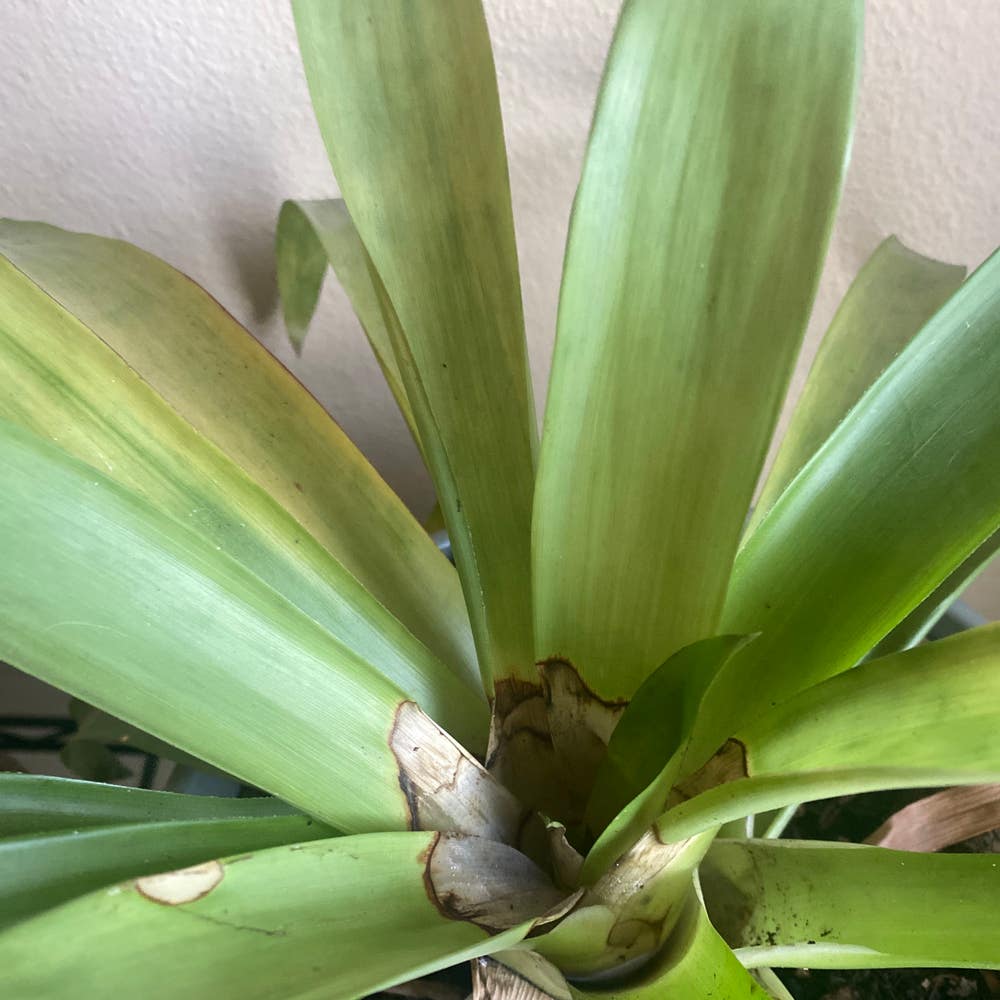
Top 3 Signs Your Neoregelia 'Pop Tart' is Stressed in Winter 🧁
Neoregelia 'Pop Tart'
By the Greg Editorial Team
Oct 02, 2024•5 min read
This article was created with the help of AI so we can cover more plants for you. May contain errors. See one? Report it here.
Unlock the secrets to keeping your Neoregelia 'Pop Tart' thriving all winter long 🌱 with essential care tips!
- 🌿 Yellowing leaves indicate stress from low light or nutrient deficiencies.
- ❄️💧 Wilting foliage results from cold and inconsistent watering; check soil moisture regularly.
- 🌬️ Browning tips signal low humidity; maintain levels between 50%-70% for health.
Signs of Stress in Winter
Yellowing leaves as a stress indicator 🌼
Yellowing leaves on your Neoregelia 'Pop Tart' can signal stress. This often stems from inadequate light or nutrient deficiencies, particularly nitrogen.
Monitoring leaf color is crucial for early detection of issues. Catching these changes early can help you take corrective action before the plant suffers more severe damage.
Wilting or drooping foliage 🌧️
Wilting or drooping leaves during winter can indicate several factors at play. Cold temperatures and inconsistent watering schedules are common culprits.
To assess your plant's hydration levels, check the soil moisture. If the top inch feels dry, it’s time to water, but be cautious of overwatering, which can lead to root rot.
Browning leaf tips and edges 🍂
Browning leaf tips and edges are frequent problems for bromeliads like the 'Pop Tart.' This often results from low humidity or improper watering practices.
To prevent leaf tip burn, maintain adequate humidity levels and ensure you’re not letting the plant sit in water. A little attention can go a long way in keeping your plant healthy and vibrant.
Understanding these signs of stress is essential for maintaining the health of your Neoregelia 'Pop Tart.' By addressing these issues promptly, you can ensure your plant thrives through the winter months.
Winter Care Requirements
Adjusting watering schedule for winter 🌊
In winter, Neoregelia 'Pop Tart' requires less frequent watering. Aim for every two to three weeks, allowing the soil to dry out between waterings to prevent root rot.
Watch for signs of overwatering, such as mushy leaves or a foul smell from the soil. Conversely, underwatering may cause the leaves to wrinkle or become crispy.
Fertilizing needs during dormancy 🌱
During dormancy, Neoregelia 'Pop Tart' has lower nutrient needs. Use a balanced, water-soluble fertilizer diluted to half strength, applying it once a month.
Timing is key; fertilize only when the plant shows signs of growth, typically as temperatures begin to rise. This approach helps maintain plant health without overwhelming it.
Importance of humidity levels 💧
Humidity plays a crucial role in the health of your Neoregelia 'Pop Tart' during winter. Aim for a humidity level between 50% and 70% to keep your plant thriving.
To maintain humidity indoors, consider using a humidifier or placing a tray of water near the plant. Dry air can lead to stress indicators like browning leaf tips, so monitor conditions closely.
By adjusting your care routine, you can help your Neoregelia 'Pop Tart' navigate the winter months successfully. Next, let’s explore how to protect your plant from frost and cold drafts.
Protection from Frost
Best practices for outdoor frost protection 🥶
Neoregelia 'Pop Tart' thrives in warmer temperatures, so it's crucial to protect it from frost. Ideally, keep your plant above 32°F (0°C) to prevent damage.
To insulate your outdoor plants, consider using row covers or blankets. These materials trap heat and shield your bromeliad from harsh winter winds.
Indoor care to avoid cold drafts 🏠
Cold drafts can be detrimental to your Neoregelia. Start by identifying potential sources of cold air, such as windows and doors.
Position your plant away from these areas to ensure stable temperatures. A consistent environment helps your bromeliad stay healthy and stress-free.
Using protective coverings for outdoor plants 🧥
When it comes to frost protection, the right coverings make all the difference. Use breathable materials like burlap or frost cloth to allow moisture while keeping the cold at bay.
Properly covering your plants is essential. Ensure the covering reaches the ground to trap warmth, and remember to remove it during the day to prevent overheating.
Timing is also key; apply coverings before temperatures drop and remove them once the threat of frost has passed. This proactive approach can save your Neoregelia from winter stress.
As you prepare for spring, understanding these frost protection strategies will help your Neoregelia 'Pop Tart' thrive. Transitioning to warmer months requires careful attention to care routines, which we’ll explore next.
Spring Preparation and Recovery
🌱 Signs of recovery from winter stress
As winter fades, your Neoregelia 'Pop Tart' will show signs of recovery. Look for new growth and vibrant leaf colors as indicators that your plant is bouncing back.
Monitoring growth patterns is crucial. Pay attention to how quickly new leaves emerge and the overall health of existing foliage.
🌼 Preparing Neoregelia for spring growth
With rising temperatures, it's time to adjust your care routine. Start by gradually increasing watering frequency to match the plant's growing needs.
Transitioning your Neoregelia to outdoor conditions should be done slowly. This helps prevent shock and ensures a smoother adjustment to the changing environment.
🌞 Tips for transitioning back to outdoor conditions
Acclimating your Neoregelia 'Pop Tart' to outdoor environments requires careful planning. Begin by placing it in a shaded area for a few hours each day.
Timing is key when moving plants outside. Wait until nighttime temperatures are consistently above 50°F before making the switch.
Keep a close eye on your plant during this transition. Monitoring for signs of stress will help you make necessary adjustments to its care.
⚠️ Safety First
This content is for general information and may contain errors, omissions, or outdated details. It is not medical, veterinary advice, or an endorsement of therapeutic claims.
Always consult a qualified healthcare professional before using any plant as food, medicine, or supplement.
Never eat any plant (or feed one to pets) without confirming its identity with at least two trusted sources.
If you suspect poisoning, call Poison Control (800) 222-1222, the Pet Poison Helpline (800) 213-6680, or your local emergency service immediately.
Spotted an error? Please report it here.
Keep your Neoregelia 'Pop Tart' thriving this winter ❄️ by using Greg for tailored care reminders that ensure it emerges vibrant and healthy come spring!