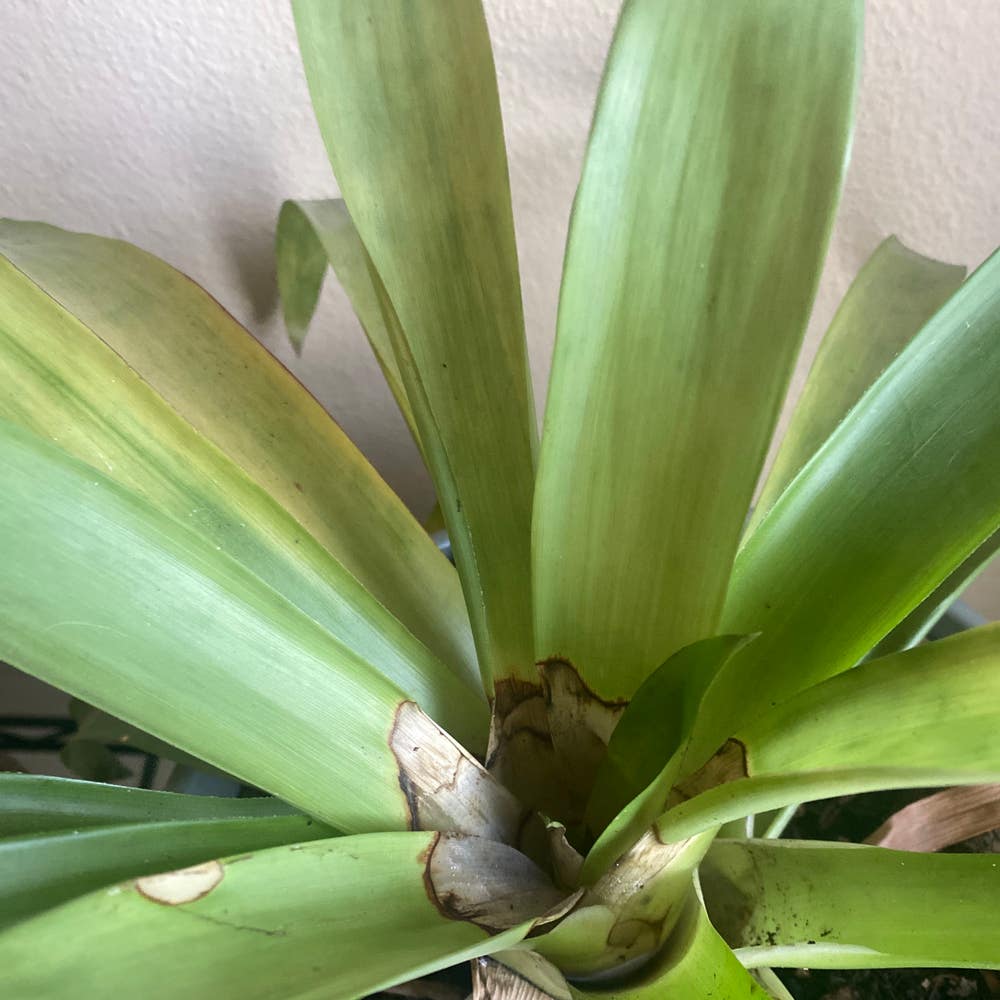
3 Tips for Pollinating Neoregelia 'Pop Tart' 🐝
Neoregelia 'Pop Tart'
By the Greg Editorial Team
Oct 02, 2024•6 min read
This article was created with the help of AI so we can cover more plants for you. May contain errors. See one? Report it here.
Unlock the secrets of Neoregelia 'Pop Tart' 🌸 and learn how to support vital pollinators in your garden!
- 🌼 Neoregelia 'Pop Tart' attracts bees, butterflies, and hummingbirds with vibrant flowers.
- 🌱 Self-pollination occurs due to close flower structures, ensuring reproduction without external help.
- 🌍 Creating a pollinator-friendly garden enhances pollination success and supports ecosystem health.
Flower Structure
Description of Flower Characteristics 🌸
Neoregelia 'Pop Tart' boasts bright, tubular flowers that emerge from a striking central spike. These vivid blooms often showcase shades of pink, red, or purple, making them irresistible to pollinators.
The flowers are arranged in a spiral pattern along the spike, which not only enhances their visual appeal but also facilitates easy access for visiting pollinators. This unique arrangement is a clever adaptation that maximizes pollination opportunities.
Role in Pollination 🐝
The anatomy of Neoregelia 'Pop Tart' allows for effective self-pollination. The close proximity of stamens and pistils means that pollen can easily transfer within the same flower, ensuring reproduction even in the absence of external pollinators.
However, the flower structure also encourages cross-pollination. By attracting a variety of pollinator species, these plants enhance genetic diversity, which is crucial for their long-term survival and adaptability.
Pollination Process
🌱 Self-Pollination
Neoregelia 'Pop Tart' has a fascinating ability to self-pollinate. The timing is crucial; flowers typically self-pollinate when conditions are optimal, such as during warm, humid days when the flower's anatomy is perfectly aligned.
Self-pollination offers a reliable method for reproduction, but additional pollination methods can enhance genetic diversity. This diversity is vital for the plant's resilience and adaptability.
🐝 Primary Pollinators
Bees are essential players in the pollination game. Their attraction to the flower's vibrant colors and sweet scent makes them effective pollen carriers.
Butterflies also love Neoregelia 'Pop Tart', drawn in by its nectar-rich blooms. Their delicate interactions with the flowers help facilitate pollination.
Hummingbirds, with their rapid feeding habits, contribute significantly to the pollination process. Their quick movements ensure pollen transfer between flowers, enhancing reproductive success.
🌈 Attraction Mechanisms
The vibrant colors of Neoregelia 'Pop Tart' are not just for show; they play a crucial role in attracting pollinators. The sweet fragrance further entices these creatures, creating a welcoming environment.
Additionally, the rosette structure of the plant holds water, providing a mini-habitat for pollinators. This feature not only supports pollinators but also encourages them to linger, increasing the chances of successful pollination.
With a solid understanding of the pollination process, you're well-equipped to appreciate the intricate relationships between Neoregelia 'Pop Tart' and its pollinators. Next, let's explore the natural pollination mechanisms that further enhance this plant's reproductive success.
Natural Pollination
🌬️ Pollen Transfer Mechanisms
During natural pollination, pollen moves from the male parts (stamens) to the female parts (pistils) of Neoregelia 'Pop Tart'. This transfer often occurs when pollinators visit the flowers, brushing against the stamens and then the pistils, effectively completing the process.
Wind and water can also play a role in this transfer. While Neoregelia primarily relies on pollinators, a gentle breeze can help disperse pollen, and water droplets can carry it to nearby flowers.
🌱 Importance for Reproduction and Genetic Diversity
Successful pollination is crucial for seed production in Neoregelia 'Pop Tart'. Each seed produced enhances the genetic diversity of the population, which is vital for resilience against diseases and environmental changes.
Maintaining genetic diversity in plant populations is ecologically significant. It ensures that plants can adapt to shifting conditions, promoting a healthier ecosystem overall. By supporting diverse plant life, we contribute to a more sustainable environment.
As we explore the next section on hand pollination techniques, consider how these methods can further enhance the reproductive success of your Neoregelia 'Pop Tart'.
Hand Pollination Techniques
Step-by-Step Instructions
Identify Male and Female Flower Parts
To successfully hand pollinate Neoregelia 'Pop Tart', start by distinguishing between the male and female flower parts. The stamens, which produce pollen, are typically slender and located around the central pistil, the female part.Collecting Pollen
Gently tap or brush the stamens to collect pollen. This can be done using a small brush or your fingertip, ensuring you gather enough for effective transfer.Transferring Pollen
Apply the collected pollen to the stigma of the female flower. Make sure to cover the stigma evenly for the best chance of fertilization.Timing
The best time for hand pollination is during the morning when flowers are fully open and receptive. This timing maximizes the chances of successful fertilization.
🌱 Ensuring Successful Fertilization
Environmental conditions play a crucial role in successful fertilization.
- Humidity: Higher humidity levels can enhance pollen viability, making it more likely for fertilization to occur.
- Temperature: Moderate temperatures are ideal; extreme heat or cold can hinder the process.
By paying attention to these factors, you can significantly improve your hand pollination efforts.
With these techniques, you’re well on your way to cultivating a thriving Neoregelia 'Pop Tart' garden. Next, let’s explore how to support pollinators in your environment to further enhance your gardening success.
Supporting Pollinators
🌼 Creating a Pollinator-Friendly Environment
To attract a variety of pollinators, plant diversity is key. Incorporating a mix of flowering plants ensures that different species find food sources throughout the growing season.
Providing water sources is equally important. Shallow water dishes or birdbaths can create a welcoming habitat for thirsty pollinators, helping them thrive in your garden.
🌱 Companion Plants
Growing companion plants alongside Neoregelia 'Pop Tart' can significantly enhance pollinator activity.
- Lantana: This vibrant plant attracts butterflies and hummingbirds, adding color and life to your garden.
- Salvia: Known for drawing in bees and other pollinators, Salvia is a fantastic addition that complements the beauty of Neoregelia.
By fostering a pollinator-friendly environment, you not only support these vital creatures but also enhance the overall health and productivity of your garden.
Next, let’s explore the challenges that can arise in the pollination process and how to overcome them.
Pollination Challenges
🌪️ Common Obstacles
Pollination success for Neoregelia 'Pop Tart' can be hindered by environmental factors. Temperature fluctuations and humidity levels play a crucial role in whether pollen can effectively transfer from male to female flower parts.
Another significant challenge is the declining populations of pollinators. This reduction directly impacts plant reproduction, as fewer pollinators mean less pollen transfer, leading to lower seed production.
🛠️ Solutions
Gardeners can take proactive steps to mitigate these environmental challenges. Creating microclimates can help maintain humidity levels, providing a more favorable environment for pollination.
Additionally, planting a diverse range of flowers can attract various pollinator species. This diversity not only enhances the chances of successful pollination but also supports local ecosystems.
Monitoring local pollinator populations is essential. By adjusting gardening practices based on these observations, gardeners can better support both their plants and the pollinators that help them thrive.
With these strategies in place, you can create a flourishing environment for Neoregelia 'Pop Tart' and its pollinators. Next, let’s explore how to support these vital creatures further.
⚠️ Safety First
This content is for general information and may contain errors, omissions, or outdated details. It is not medical, veterinary advice, or an endorsement of therapeutic claims.
Always consult a qualified healthcare professional before using any plant as food, medicine, or supplement.
Never eat any plant (or feed one to pets) without confirming its identity with at least two trusted sources.
If you suspect poisoning, call Poison Control (800) 222-1222, the Pet Poison Helpline (800) 213-6680, or your local emergency service immediately.
Spotted an error? Please report it here.
Cultivate a pollinator-friendly paradise 🌺 for your Neoregelia 'Pop Tart' with Greg's tailored care tips, ensuring your blooms flourish and contribute to a healthier ecosystem!