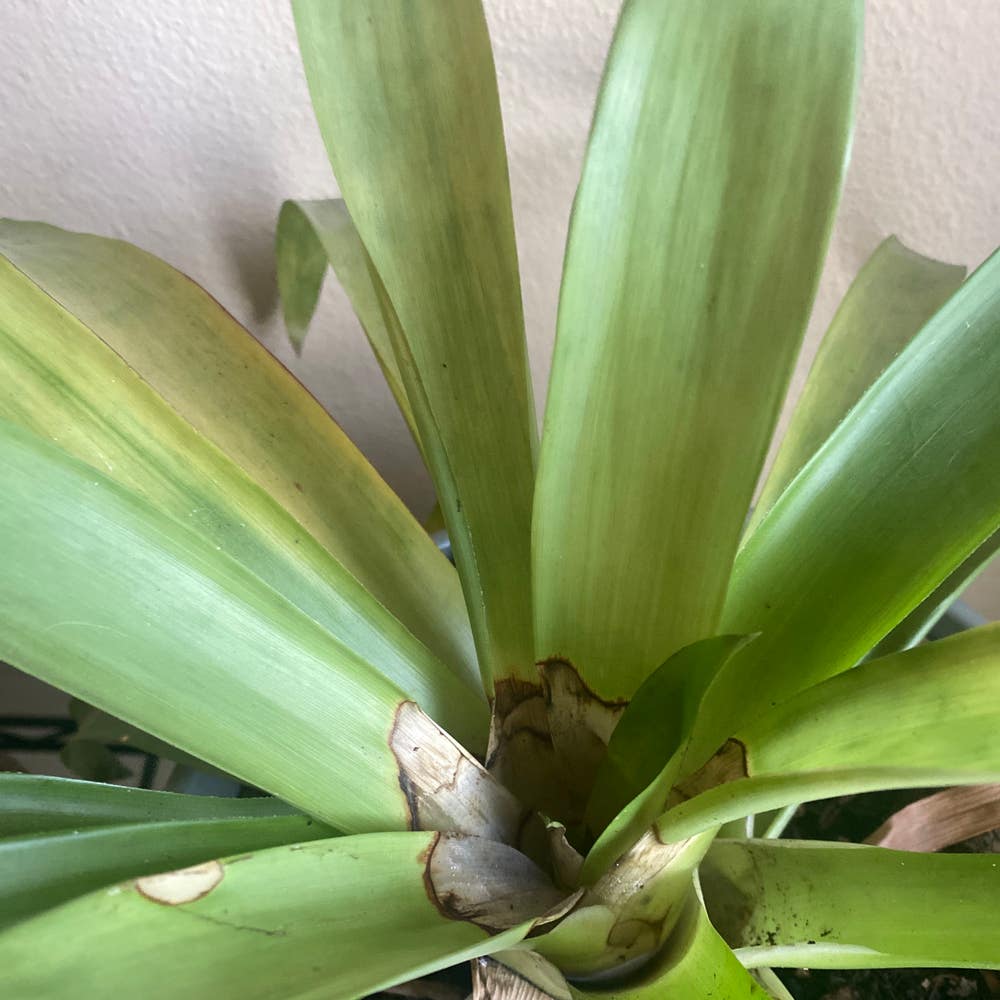
🐛 What To Do About Bugs on My Neoregelia 'Pop Tart'?
Neoregelia 'Pop Tart'
By the Greg Editorial Team
Apr 28, 2024•3 min read
This article was created with the help of AI so we can cover more plants for you. May contain errors. See one? Report it here.
Defend your vibrant Neoregelia 'Pop Tart' 🌺 from bug invasions with expert-recommended, plant-friendly tactics!
- Spot pests early on Neoregelia 'Pop Tart' for effective control.
- Use gentle solutions like soaps, oils, and beneficial insects.
- Regular care and inspection prevent pest infestations.
Meet the Usual Suspects: Common Pests on Neoregelia 'Pop Tart'
🕷️ Spider Mites: The Sneaky Sap-Suckers
Webbing on your Neoregelia 'Pop Tart' is a dead giveaway—spider mites are throwing a party at your plant's expense. These tiny critters suck the life out of leaves, leaving behind a speckled, yellowed mess.
Blast them with water to ruin their intricate homes, then follow up with insecticidal soap or neem oil, targeting every nook. For a full-on eviction, miticides are your last resort, but think of the environment before you go nuclear.
🛡️ Scale: The Sticky Shield-Bearers
Spotting scale means finding waxy bumps that seem to have settled in for the long haul. They're sap-suckers, leaving behind a sticky residue that's a beacon for sooty mold.
Alcohol swabs are your go-to for a quick fix. For a more entrenched enemy, horticultural oils are your night-time ninjas, stealthily preventing plant damage. Stay persistent; these pests often demand an encore.
🦟 Fungus Gnats and Fruit Flies: The Soil-Dwelling Menace
If you've spotted tiny insects resembling mosquitoes or a mini cloud of white when you water, you've got fungus gnats or fruit flies. They're not just annoying—they're harmful to your plant's roots.
Traps and treatments are your best bet. Sticky traps snag adults, while letting the soil dry out between waterings can discourage a sequel. Insecticidal soap or neem oil will help clear the scene if the infestation persists.
🍬 Mealybugs: The White Cotton Clad Invaders
Mealybugs are like unwanted cotton candy on your plant—white, fluffy, and definitely not sweet. They're sap-suckers too, and they multiply faster than bunnies.
Alcohol on a cotton swab is your precision tool for spot removal. Insecticidal soap is your blanket coverage. Regular plant check-ups are your best defense; isolation is your quarantine protocol for any new plants.
🦗 Other Frequent Flyers: Aphids, Thrips, and Whiteflies
Aphids love the undersides of leaves, thrips are the invisible vandals, and whiteflies are like a pesky cloud of dandruff. Each has its own brand of annoyance.
Specific remedies are required here. Insecticidal soaps, neem oil, or a strong jet of water can be effective. The key is to stay vigilant; these pests are like bad habits, popping up when you least expect them.
The Green Guardian's Toolkit: Remedies and Prevention Combined
🐞 Embracing Natural Allies
Beneficial insects are your garden's unsung heroes. Introduce ladybugs and lacewings to wage war on aphids and mites. It's a low-effort, high-impact strategy to keep your Neoregelia 'Pop Tart' thriving.
🛡️ Integrated Pest Management (IPM)
IPM isn't just a fancy acronym; it's your comprehensive battle plan. Sanitation, cultural practices, and the strategic use of pesticides form the trifecta of a healthy plant life. Think of it as the Swiss Army knife in your green guardian arsenal.
👀 Early Detection and Consistent Care
Vigilance is your best defense. Regularly inspect your bromeliad for any signs of pests. When you spot trouble, act fast with the gentlest solution. It's about being proactive, not just reactive. Remember, a robust plant is less inviting to pests, so keep that care routine tight.
⚠️ Safety First
This content is for general information and may contain errors, omissions, or outdated details. It is not medical, veterinary advice, or an endorsement of therapeutic claims.
Always consult a qualified healthcare professional before using any plant as food, medicine, or supplement.
Never eat any plant (or feed one to pets) without confirming its identity with at least two trusted sources.
If you suspect poisoning, call Poison Control (800) 222-1222, the Pet Poison Helpline (800) 213-6680, or your local emergency service immediately.
Spotted an error? Please report it here.
Banish pests from your Neoregelia 'Pop Tart' with Greg's vigilant care reminders 🌱 and personalized advice for early detection and effective treatment!