🍩 Neoregelia 'Pop Tart' is Not an Invasive Plant
Neoregelia 'Pop Tart'
By the Greg Editorial Team
Oct 02, 2024•6 min read
This article was created with the help of AI so we can cover more plants for you. May contain errors. See one? Report it here.
Transform your garden with Neoregelia 'Pop Tart'—a stunning, non-invasive choice that supports local ecosystems! 🌱
- 🌱 Neoregelia 'Pop Tart' is non-invasive, making it a safe garden choice.
- 🌼 Its compact size and vibrant foliage enhance aesthetics while supporting local biodiversity.
- 🌿 Easy to manage with limited spread, perfect for small spaces and low-maintenance gardens.
Plant Classification
Definition of Invasive Species 🌱
Invasive species are plants or animals that grow rapidly and spread uncontrollably. They often displace native flora and can negatively impact local ecosystems, leading to a loss of biodiversity.
Why Neoregelia 'Pop Tart' is Not Invasive 🍰
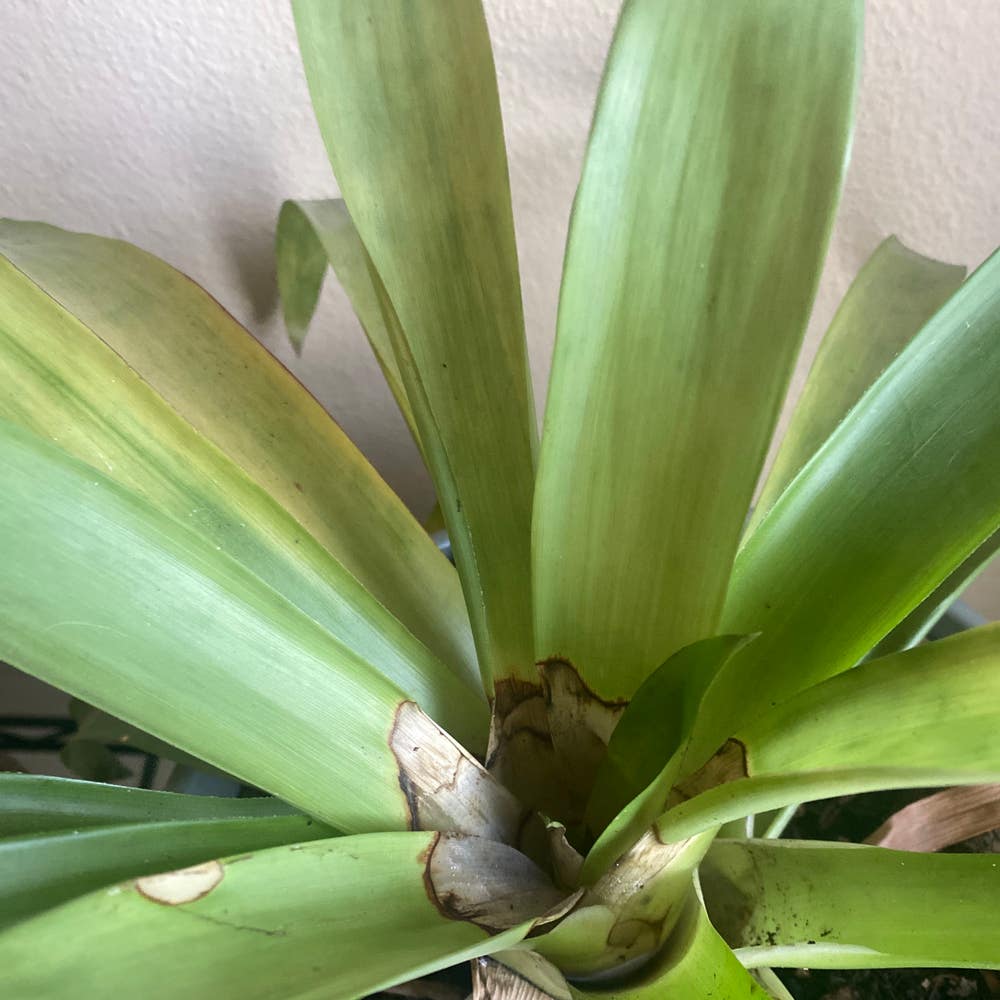
Neoregelia 'Pop Tart' features a compact rosette shape, which limits its spread potential. This growth form keeps it contained, preventing it from becoming a nuisance in gardens.
The plant thrives in well-draining soil and partial shade, conditions that restrict its growth in non-native environments. Its preference for these specific habitats means it won’t easily invade other areas.
Additionally, Neoregelia 'Pop Tart' exhibits non-aggressive behavior. It does not outcompete local plants or disrupt ecosystems, making it a friendly addition to any garden.
In summary, Neoregelia 'Pop Tart' stands out as a non-invasive choice, contributing positively to garden aesthetics without posing a threat to local flora. This makes it an excellent option for gardeners looking to enhance their landscapes responsibly.
Next, we will explore the growth habits of Neoregelia 'Pop Tart' and how they contribute to its appeal in various garden settings.
Growth Habits
Typical Growth Patterns in Gardens 🌼
Neoregelia 'Pop Tart' showcases a compact rosette structure, typically reaching 12-18 inches in diameter. Its colorful foliage, adorned with unique patterns, adds a vibrant touch to any garden.
The plant produces striking flowers that not only enhance its beauty but also attract pollinators like bees and butterflies. This makes it a fantastic choice for those looking to support local wildlife.
Natural Limits to Growth and Spread Potential 🌱
This bromeliad thrives in well-draining soil, making it essential to avoid overwatering, which can lead to rot. Its preference for partial shade means that excessive sunlight can damage its leaves, limiting its growth in overly bright conditions.
Neoregelia 'Pop Tart' has a limited spread potential, as it grows in clumps and does not produce runners or extensive root systems. This characteristic makes it easy to manage in garden settings without the worry of it overtaking other plants.
Incorporating Neoregelia 'Pop Tart' into your garden not only enhances its aesthetic appeal but also ensures a low-maintenance experience. As we explore its ecological role, you'll see how this plant contributes positively to local ecosystems.
Ecological Role
🌼 Benefits in Gardens and Ecosystems
Neoregelia 'Pop Tart' is more than just a pretty face in your garden. Its vibrant flowers are a magnet for pollinators, providing essential nectar for bees and butterflies.
Additionally, this plant serves as a habitat for beneficial insects. It offers shelter and food sources, creating a mini-ecosystem right in your backyard.
🦋 Positive Interactions with Local Wildlife
This bromeliad plays a crucial role in supporting biodiversity. By providing resources for various wildlife, it helps maintain a balanced ecosystem.
Moreover, Neoregelia 'Pop Tart' is compatible with other plants. You can easily integrate it into diverse planting schemes without worrying about negative impacts on your garden's health.
Incorporating this plant not only enhances your garden's beauty but also contributes positively to the environment. As we move forward, let’s explore how to manage this delightful addition effectively.
Garden Management
Incorporating Neoregelia 'Pop Tart' into Garden Designs 🍭
Neoregelia 'Pop Tart' can serve as a stunning focal point in your landscape. Its vibrant colors and unique patterns draw the eye, making it a standout feature.
Pairing it with other tropical plants creates a cohesive look that enhances your garden's aesthetic. This bromeliad thrives in containers, making it perfect for small spaces or patios.
Growth Control Methods for Aesthetic Purposes ✂️
To keep your Neoregelia looking its best, regular pruning is essential. Remove any dead or damaged leaves to maintain its vibrant appearance.
Spacing is crucial; ensure adequate room between plants to prevent overcrowding. This not only promotes healthy growth but also allows each plant to shine.
Lastly, monitoring your plants is key. Regularly check for signs of overgrowth or health issues to keep your garden thriving.
With these tips, you can enjoy the beauty of Neoregelia 'Pop Tart' while maintaining a healthy garden environment. Next, let’s explore its ecological role and the benefits it brings to gardens and local ecosystems.
Comparison to Other Plants
🌱 Comparison with Similar Non-Invasive Plants
When considering non-invasive bromeliads, Guzmania and Aechmea are notable companions to Neoregelia 'Pop Tart'. Guzmania typically features tubular flowers and a more upright growth habit, while Aechmea is known for its striking inflorescences and broader leaves.
These plants differ in care requirements as well. Guzmania thrives in bright, indirect light and prefers a bit more moisture, whereas Aechmea can tolerate drier conditions. Neoregelia 'Pop Tart', with its compact rosette shape, stands out for its unique adaptability and aesthetic appeal.
🍭 Unique Qualities of Neoregelia 'Pop Tart'
Neoregelia 'Pop Tart' boasts distinctive leaf patterns and vibrant colors that truly set it apart from other bromeliads. Its rosette form not only enhances visual interest but also makes it a conversation starter in any garden.
Moreover, its versatility shines in various garden settings. Whether in containers or as part of a landscape design, 'Pop Tart' integrates seamlessly, adding a tropical flair without overwhelming the space. This adaptability makes it a favorite among gardeners looking to create dynamic, colorful displays.
As we explore garden management techniques, consider how Neoregelia 'Pop Tart' can enhance your gardening experience while maintaining its non-invasive status.
Legal and Environmental Considerations
📜 Relevant Classifications and Guidelines
Before planting Neoregelia 'Pop Tart', it's essential to check local regulations. Some areas may have specific guidelines regarding the cultivation of certain plants.
Confirming its non-invasive status is also crucial. You can find this information in local horticultural databases, ensuring that you're making an environmentally responsible choice.
🌱 Fit Within Sustainable Gardening Practices
Using non-invasive plants like Neoregelia 'Pop Tart' offers numerous benefits. They support local ecosystems and often require less maintenance, making them a gardener's dream.
Integrating this bromeliad with other native and non-invasive species encourages biodiversity. This approach promotes a healthy garden environment, creating a vibrant space for both plants and wildlife.
As you consider your garden design, remember that every plant choice contributes to the larger ecosystem. Embracing non-invasive options can lead to a flourishing garden that benefits everyone involved.
With these considerations in mind, let’s explore how to effectively incorporate Neoregelia 'Pop Tart' into your garden designs.
⚠️ Safety First
This content is for general information and may contain errors, omissions, or outdated details. It is not medical, veterinary advice, or an endorsement of therapeutic claims.
Always consult a qualified healthcare professional before using any plant as food, medicine, or supplement.
Never eat any plant (or feed one to pets) without confirming its identity with at least two trusted sources.
If you suspect poisoning, call Poison Control (800) 222-1222, the Pet Poison Helpline (800) 213-6680, or your local emergency service immediately.
Spotted an error? Please report it here.
Elevate your garden with the vibrant Neoregelia 'Pop Tart' 🌺, and let Greg guide you with tailored care tips to ensure this stunning bromeliad thrives beautifully in your space!