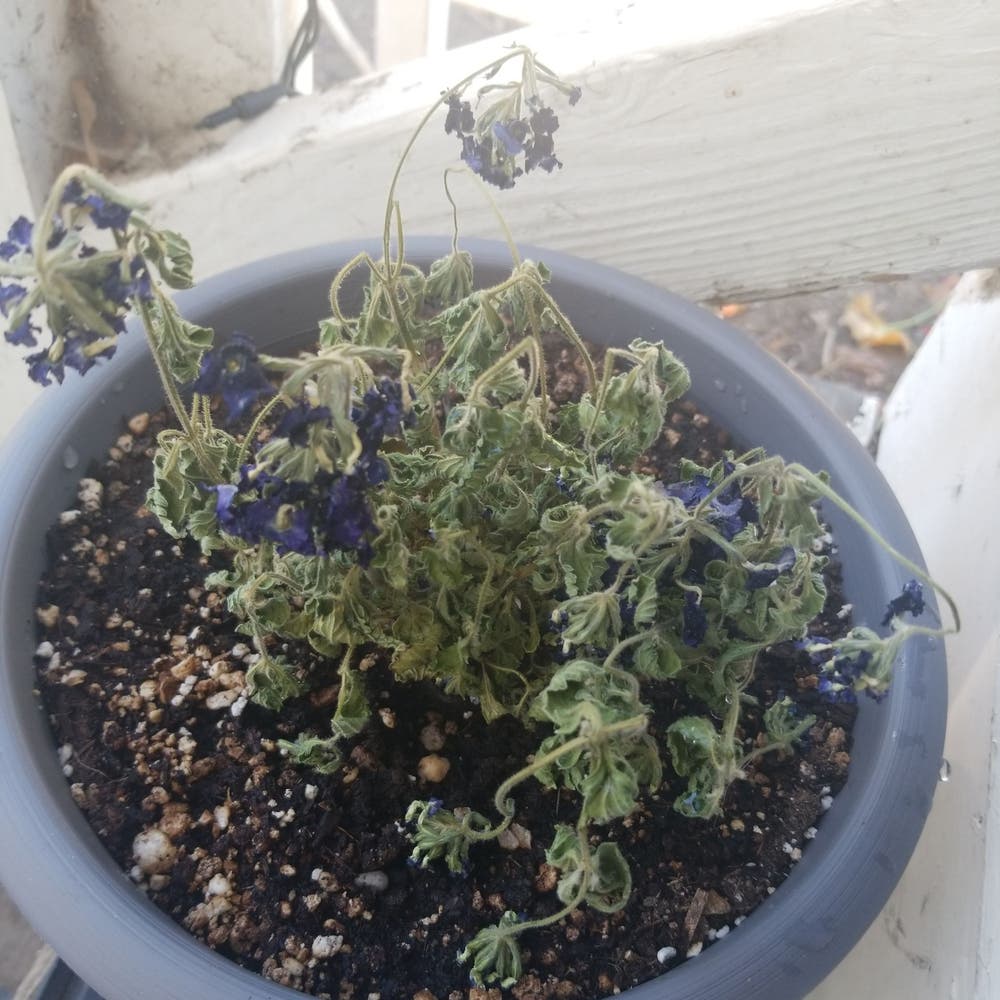
Identifying What is Eating Your Lanai Verbena 🐞
Verbena 'Lanai'
By the Greg Editorial Team
Oct 15, 2024•5 min read
This article was created with the help of AI so we can cover more plants for you. May contain errors. See one? Report it here.
Safeguard your Lanai Verbena from pesky herbivores 🌿 and cultivate a flourishing garden oasis with these essential tips!
- 🦌 Identify common herbivores like deer, rabbits, and squirrels damaging your Lanai Verbena.
- 🔍 Look for signs such as tracks and chewed stems to pinpoint herbivore activity.
- 🌱 Use deterrents like netting and repellents to protect your plants effectively.
Signs and Damage from Common Herbivores
🦌 Deer
Deer are often a gardener's nightmare. Look for tracks and droppings as clear signs of their presence.
These creatures typically browse on leaves, causing significant damage. Their interaction with Lanai Verbena is generally harmful, leading to a decline in plant health.
Deterrent Methods:
- Fencing: An 8-foot tall barrier can effectively keep deer at bay, though it requires moderate effort to install.
- Repellents: Both commercial and homemade solutions can deter deer easily.
🐇 Rabbits
Rabbits leave behind chewed stems and droppings, indicating their presence in your garden. They gnaw on stems, which can severely affect your plants.
Like deer, rabbits are generally harmful to Lanai Verbena. Their feeding habits can stunt growth and reduce flowering.
Deterrent Methods:
- Netting: Covering your plants with mesh is an easy way to protect them.
- Organic Repellents: Scents like peppermint can naturally repel rabbits with minimal effort.
🐿️ Squirrels
Squirrels are notorious for their destructive habits. Look for chewed leaves and nests as signs they’ve taken up residence nearby.
They dig around roots, causing damage that can be detrimental to plant health. Their interaction is also generally harmful.
Deterrent Methods:
- Scare Tactics: Reflective objects or noise-makers can easily frighten squirrels away.
- Traps: Live traps can be used for relocation, though this method is more challenging.
🐦 Birds
Birds can be a mixed bag in the garden. Signs of their presence include feathers and nests, but their impact varies.
While they peck at flowers, their interaction can be both beneficial and harmful. Some birds help with pollination, while others can damage your plants.
Deterrent Methods:
- Decoys: Using predator decoys can effectively scare birds off.
- Reflective Objects: Hanging shiny materials can deter them easily.
🐾 Rodents and Groundhogs
Rodents and groundhogs can wreak havoc on your garden. Look for tunnels, droppings, and burrows as signs of their activity.
These critters cause root damage and can lead to extensive plant destruction. Their interaction is generally harmful, making them a significant concern for gardeners.
Deterrent Methods:
- Traps: Snap traps or live traps can help control their population, though they require more effort.
- Natural Predators: Encouraging owls or hawks can be a moderate effort solution to keep these pests in check.
Understanding the signs and damage caused by these common herbivores is crucial for protecting your Lanai Verbena. With the right deterrent methods, you can create a thriving garden environment.
Next, let’s explore the beneficial animals and insects that can enhance your garden ecosystem.
Beneficial Animals and Insects
🐝 Pollinators
Pollinators like bees and butterflies are vital for a thriving garden. Bees, in particular, are essential for pollination, ensuring that your Lanai Verbena produces abundant blooms and seeds.
Butterflies not only add beauty but also enhance the overall ecosystem. Their presence indicates a healthy environment, contributing to biodiversity.
🌱 Positive Impacts
The role of pollination cannot be overstated. It significantly increases fruit and seed production, making your garden more fruitful and vibrant.
Additionally, attracting beneficial insects helps with pest control. These allies can keep harmful pests at bay, creating a balanced ecosystem that supports your plants' health.
Incorporating these beneficial creatures into your garden strategy can lead to a flourishing environment. By understanding their importance, you can foster a space that thrives on natural interactions.
Next, let’s explore general strategies for protecting your Lanai Verbena from herbivores.
General Strategies for Protecting Lanai Verbena
🛡️ Preventive Measures
To keep your Lanai Verbena safe, start with strategic plant placement. Position your plants away from common herbivore pathways to minimize encounters.
Companion planting can also be a game-changer. By surrounding your Lanai Verbena with deterrent plants, you create a natural barrier that can help keep herbivores at bay.
⚠️ Reactive Solutions
Regular monitoring is essential for early detection of herbivore activity. Check your plants frequently to spot any signs of damage or unwanted visitors.
Integrating pest management techniques can enhance your protection strategy. Combining various methods—like traps, repellents, and physical barriers—ensures a more effective control plan.
🌱 Seasonal Variations
Be aware of seasonal changes that affect herbivore behavior. In spring, as animals emerge from hibernation, you may notice increased activity around your plants.
Summer marks peak feeding times for many herbivores. Stay vigilant during this season to protect your Lanai Verbena from potential damage.
By implementing these strategies, you can create a thriving environment for your plants while minimizing the impact of herbivores. Next, let’s explore the toxic effects and ecological role of these interactions.
Toxic Effects and Ecological Role
Toxicity Discussion 🐍
Lanai Verbena has mild toxicity, which can lead to digestive upset in some animals. While this may seem alarming, it serves as a natural defense mechanism against herbivores.
Ecosystem Balance 🌱
Herbivores play a crucial role in the ecosystem, contributing to nutrient cycling and plant diversity. Acknowledging their importance helps us find a balance between protecting our Lanai Verbena and maintaining a healthy garden environment.
Understanding these dynamics allows gardeners to appreciate the intricate web of life surrounding their plants. By fostering this balance, we can enjoy the beauty of our gardens while minimizing damage from herbivores.
Next, let’s explore general strategies for protecting your Lanai Verbena from potential threats.
⚠️ Safety First
This content is for general information and may contain errors, omissions, or outdated details. It is not medical, veterinary advice, or an endorsement of therapeutic claims.
Always consult a qualified healthcare professional before using any plant as food, medicine, or supplement.
Never eat any plant (or feed one to pets) without confirming its identity with at least two trusted sources.
If you suspect poisoning, call Poison Control (800) 222-1222, the Pet Poison Helpline (800) 213-6680, or your local emergency service immediately.
Spotted an error? Please report it here.
Protect your Lanai Verbena from pesky herbivores with smart strategies and let Greg guide you with customized care tips 🌱 to ensure your garden flourishes!