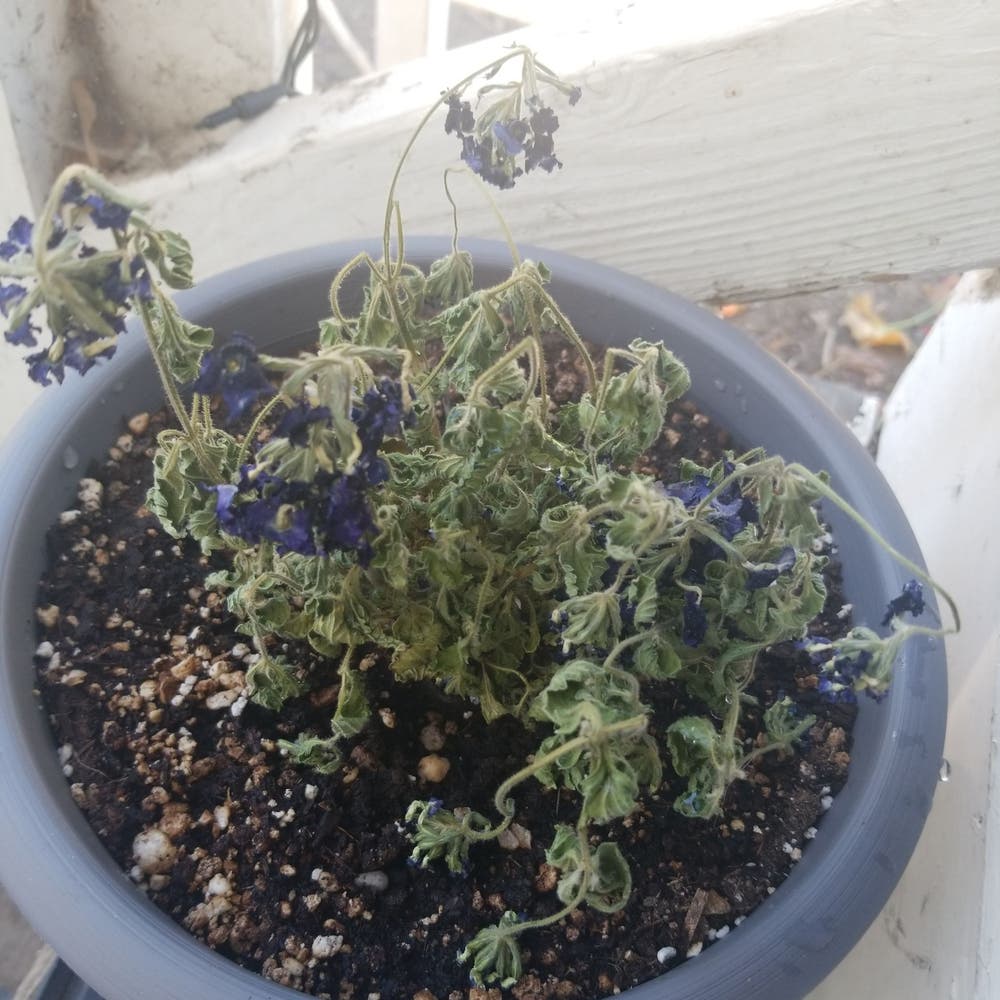
6 Facts About Lanai Verbena Pollination 🐝
Verbena 'Lanai'
By the Greg Editorial Team
Oct 15, 2024•5 min read
This article was created with the help of AI so we can cover more plants for you. May contain errors. See one? Report it here.
Unlock the secrets of Lanai Verbena's flowers 🌸 that enhance pollination and nurture a vibrant ecosystem!
- 🌼 Lanai Verbena attracts bees, butterflies, and hummingbirds with vibrant flowers and nectar.
- 🌱 Self-pollination ensures reproduction, while cross-pollination boosts genetic diversity.
- 🌍 Creating a diverse garden supports pollinators and enhances local ecosystems.
Flower Structure
Description of Flower Characteristics 🌸
Lanai Verbena boasts small, tubular flowers that cluster densely together. These vibrant blooms come in shades of purple, pink, and white, creating a striking visual appeal that attracts pollinators.
The flowers grow in umbels, which enhances their visibility. This arrangement is not just for show; it plays a crucial role in drawing in various pollinators.
Role of Flower Structure in Pollination 🐝
The anatomy of Lanai Verbena allows for self-pollination. This means that the flowers can fertilize themselves, ensuring reproduction even in the absence of pollinators.
However, the structure also facilitates cross-pollination. By attracting a variety of pollinator species, these flowers enhance genetic diversity, which is vital for the health of the plant population.
In summary, the unique flower structure of Lanai Verbena is a key player in its pollination strategy. This dual capability ensures that the plant thrives in diverse conditions, setting the stage for a rich ecosystem.
Next, we’ll dive into the fascinating pollination process and the various mechanisms at play.
Pollination Process
🌱 Self-Pollination or Cross-Pollination
Lanai Verbena has a fascinating approach to reproduction. While it can self-pollinate, the flower's structure often encourages cross-pollination, which is vital for genetic diversity.
Self-pollination occurs when pollen from the same flower fertilizes its ovules. This mechanism ensures that even in the absence of pollinators, the plant can reproduce.
However, cross-pollination is essential for introducing genetic variation. This diversity enhances resilience against diseases and environmental changes, making the species stronger overall.
🐝 Identification of Primary Pollinators
Bees
Bees are the primary pollinators of Lanai Verbena. Their attraction to the vibrant colors of the flowers makes them crucial for effective pollen transfer.
Butterflies
Butterflies also play a significant role in pollination. As they feed on nectar, they inadvertently transfer pollen from one flower to another, aiding in the plant's reproductive process.
Other Pollinator Species
Moths and hummingbirds are additional pollinators that interact with Lanai Verbena. Their unique feeding habits contribute to the plant's pollination success, showcasing the diverse relationships within the ecosystem.
🍯 Attraction Mechanisms for Pollinators
Nectar Production
Nectar is a key player in attracting pollinators. The sweet reward encourages bees, butterflies, and other species to visit the flowers, ensuring effective pollination.
Flower Scent
The fragrance of Lanai Verbena further enhances its appeal. A pleasant scent draws in garden pollinators, creating a vibrant atmosphere that supports the entire pollination process.
In summary, the pollination process of Lanai Verbena is a complex interplay of self-pollination, cross-pollination, and the attraction of various pollinators. Understanding these dynamics is crucial for anyone looking to support these beautiful plants in their gardens. Next, we’ll explore the art of hand pollination, a useful technique for gardeners aiming to enhance their plants' reproductive success.
Hand Pollination
Hand pollination can be a rewarding way to ensure your Lanai Verbena thrives. Here’s a straightforward guide to help you navigate the process.
Step 1: Identifying Male and Female Flower Parts 🌸
Start by locating the male and female parts of the flower. The male components include the anthers and stamens, while the female parts consist of the stigma and style.
Step 2: Collecting Pollen 🌼
Next, gently collect pollen from the anthers. You can do this by tapping or lightly brushing them with a small tool, like a cotton swab or a soft brush.
Step 3: Transferring Pollen 🔄
Once you have the pollen, it’s time to transfer it to the stigma. Carefully apply the pollen directly onto the stigma using the same tool you used for collection.
Step 4: Ensuring Successful Fertilization ⏰
Timing is crucial for successful fertilization. Aim to perform hand pollination during the flower's peak blooming period, ideally in the morning when conditions are optimal.
Hand pollination not only boosts your plant's chances of producing seeds but also deepens your connection to the gardening process. With these steps, you can actively participate in the life cycle of your Lanai Verbena, ensuring a vibrant and diverse garden.
Next, let’s explore how to create a pollinator-friendly environment to support these beautiful plants.
Supporting Pollinators
🌼 Creating a Pollinator-Friendly Environment
To support pollinators, start by planting a variety of flowering plants. This diversity attracts different species, ensuring a bustling ecosystem in your garden.
Additionally, providing water sources is crucial. Simple birdbaths or shallow dishes can offer much-needed hydration for thirsty pollinators.
🌱 Companion Plants
Companion planting can significantly enhance your garden's appeal to pollinators. Consider adding marigolds, which are known to attract bees and butterflies with their vibrant blooms.
Lavender is another excellent choice. Its fragrant flowers not only draw in pollinators but also add a lovely scent to your garden.
By creating a welcoming environment and incorporating companion plants, you can foster a thriving habitat for pollinators. This not only benefits your garden but also contributes to the overall health of local ecosystems.
Next, let’s explore the challenges pollinators face and how we can help them overcome these obstacles.
Pollination Challenges
Common Obstacles to Successful Pollination 🌧️
Pollination can be hindered by various environmental factors. Temperature fluctuations and high humidity levels can disrupt the delicate balance needed for effective pollination.
A lack of pollinators is another significant challenge. Urbanization, pesticide use, and habitat loss have led to declining pollinator populations, making it harder for plants like Lanai Verbena to reproduce.
Solutions for Overcoming Challenges 🌼
Enhancing pollinator presence in your garden is crucial. Planting a diverse array of flowering plants can attract different pollinator species, creating a vibrant ecosystem.
Adjusting planting times and conditions can also improve pollination outcomes. Consider planting early-blooming varieties to provide food sources when pollinators are most active.
Impact of Environmental Factors 🌍
Varying environmental conditions can significantly affect pollination timing and effectiveness. For instance, extreme heat can cause flowers to wilt, reducing their attractiveness to pollinators.
Understanding these factors allows gardeners to make informed decisions, ensuring that their plants thrive and contribute to a healthy pollinator population. With the right strategies, you can create a flourishing garden that supports both Lanai Verbena and its vital pollinators.
⚠️ Safety First
This content is for general information and may contain errors, omissions, or outdated details. It is not medical, veterinary advice, or an endorsement of therapeutic claims.
Always consult a qualified healthcare professional before using any plant as food, medicine, or supplement.
Never eat any plant (or feed one to pets) without confirming its identity with at least two trusted sources.
If you suspect poisoning, call Poison Control (800) 222-1222, the Pet Poison Helpline (800) 213-6680, or your local emergency service immediately.
Spotted an error? Please report it here.
Boost your garden's pollinator power 🐝 with Greg's tailored care tips, ensuring your Lanai Verbena thrives while attracting a vibrant array of pollinators!