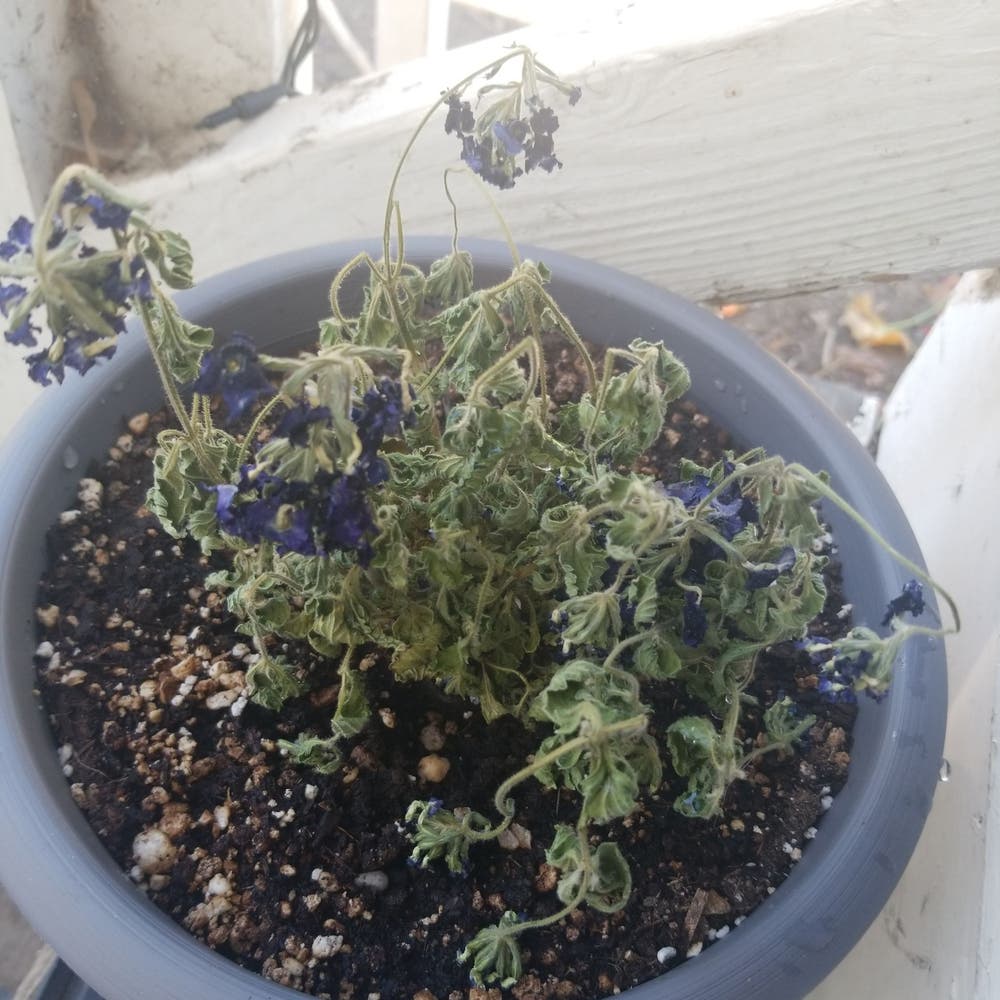
🍃 Why Your Lanai Verbena Leaves Are Falling Over
Verbena 'Lanai'
By the Greg Editorial Team
Oct 15, 2024•5 min read
This article was created with the help of AI so we can cover more plants for you. May contain errors. See one? Report it here.
Transform your lanai verbena into a vibrant showstopper 🌼 by mastering essential care tips for thriving plants!
- 💧 Overwatering and underwatering both cause leaf drop; check soil moisture regularly.
- 🌱 Nutrient deficiencies like nitrogen and potassium lead to yellowing and weak stems.
- 🌞 Ensure 6+ hours of sunlight daily for healthy lanai verbena growth.
Causes of Leaf Drop
💧 Overwatering and Its Effects
Overwatering is a common culprit behind leaf drop in lanai verbena. Symptoms include yellowing leaves, mushy stems, and even root rot.
To combat this, ensure your plant has well-draining soil to prevent water accumulation. Ideally, allow the top inch of soil to dry out between waterings to maintain a healthy balance.
🚰 Underwatering and Dehydration
On the flip side, underwatering can also lead to leaf drop. Signs to watch for include wilting leaves, dry soil, and crispy leaf edges.
Regular checks are essential, especially during hot weather. Consistent moisture is key for healthy growth, so keep an eye on your watering schedule.
🥦 Nutrient Deficiencies
Nitrogen Deficiency
A lack of nitrogen can manifest as yellowing of older leaves and stunted growth. Nitrogen is crucial for foliage development, so addressing this deficiency is vital.
Potassium Deficiency
Potassium deficiency often shows up as browning leaf edges and weak stems. This nutrient plays a significant role in overall plant health and stress resistance.
🐜 Pest Infestations
Common Pests
Pests like aphids and spider mites can wreak havoc on your lanai verbena. Aphids cause curled leaves and leave a sticky residue, while spider mites create fine webbing and stippled leaves.
Early detection is crucial to prevent severe damage, so keep a close watch on your plants.
🌡️ Environmental Stress
Temperature Fluctuations
Lanai verbena thrives in a temperature range of 60°F to 80°F (15°C to 27°C). Extreme temperatures can negatively impact leaf health, leading to drop.
Humidity Levels
Moderate humidity is essential for optimal growth. Signs of low humidity include leaf curling and droop, indicating your plant may need more moisture in the air.
Understanding these causes can help you take proactive steps to keep your lanai verbena healthy and thriving. Next, we’ll explore how to diagnose the specific problems affecting your plant.
Diagnosing the Problem
🌧️ Signs of Overwatering vs. Underwatering
Overwatering is often indicated by yellow leaves and soggy soil. In contrast, underwatering manifests as wilting and dry soil.
🥦 Identifying Nutrient Deficiency Symptoms
Nitrogen deficiency shows up as yellowing leaves and slow growth. Potassium deficiency can be recognized by browning leaf edges and weak stems.
🐞 Recognizing Pest Damage on Leaves
Aphids leave behind curled leaves and sticky residue, while spider mites create webbing and discoloration. Early detection is key to managing these pests effectively.
🌡️ Assessing Environmental Conditions Affecting Growth
Start by checking temperature and humidity levels. Ensure your lanai verbena receives a minimum of 6 hours of direct sunlight daily for optimal growth.
Understanding these signs and symptoms will help you pinpoint the issues affecting your lanai verbena. With this knowledge, you can take the necessary steps to restore your plant's health and vitality.
Preventive Measures
Proper Watering Techniques 🌊
Deep watering is essential for encouraging strong root growth. Adjust your watering frequency based on weather conditions and the moisture level of the soil.
Soil Selection and Drainage Tips 🪴
Choose a well-draining potting mix to keep your lanai verbena healthy. Ensure your pots have drainage holes to prevent root rot from excess water.
Fertilization Schedule and Nutrient Balance 🌱
Fertilize every 4-6 weeks during the growing season to keep your plants thriving. A balanced NPK formula is recommended to provide essential nutrients.
Pest Management Strategies 🐞
Conduct regular inspections for early detection of pests. Consider introducing beneficial insects like ladybugs for natural pest control.
Ideal Growing Conditions ☀️
Ensure your lanai verbena gets full sun exposure for at least 6 hours daily. Maintain temperatures within the ideal range and aim for moderate humidity to prevent stress.
By implementing these preventive measures, you can create a thriving environment for your lanai verbena. This proactive approach will help you avoid common issues and enjoy vibrant, healthy plants. Next, let’s explore effective treatment solutions for any problems that may arise.
Treatment Solutions
Adjusting Watering Practices 🌧️
To keep your lanai verbena thriving, establish a consistent watering schedule tailored to its needs. Consider using moisture meters to accurately gauge soil moisture levels, ensuring you neither overwater nor underwater your plants.
Fertilizing to Correct Deficiencies 🌱
Identifying specific nutrient needs is crucial for healthy growth. Apply appropriate fertilizers based on these needs and closely monitor your plant's response to ensure it’s getting the nutrients it craves.
Pest Control Methods 🐞
Organic Options
For a natural approach, use neem oil and insecticidal soap to effectively manage aphid populations. Increasing humidity can also deter spider mites, creating an environment less conducive to their survival.
Chemical Options
If pests persist, targeted pesticides can be a last resort. Always follow label instructions for safe application to protect both your plants and the surrounding ecosystem.
Environmental Adjustments 🌤️
Providing shade during extreme heat can significantly reduce stress on your lanai verbena. Additionally, increasing humidity around the plant—through misting or using pebble trays—can create a more favorable growing environment.
With these treatment solutions in place, your lanai verbena will be better equipped to thrive. Next, let’s explore seasonal considerations to ensure your plant remains healthy year-round.
Seasonal Considerations
🌊 Seasonal Watering Adjustments
During the hot summer months, your lanai verbena will need more water. Increase the frequency to keep the soil consistently moist, but avoid waterlogging.
In cooler months, when growth slows, reduce your watering schedule. This helps prevent root rot and keeps your plant healthy.
🌱 Fertilization Changes with Seasons
Adjust your fertilization frequency based on the plant's growth cycles. In spring, consider using slow-release fertilizers for sustained nutrition throughout the growing season.
This approach ensures your lanai verbena gets the nutrients it needs when it needs them most.
❄️ Preparing for Temperature Changes
As temperatures drop in winter, protect your plants from frost. Cover them or bring them indoors to shield them from harsh conditions.
During peak summer heat, provide shade to prevent stress. This simple step can make a significant difference in your plant's health and vitality.
By being mindful of these seasonal adjustments, you can ensure your lanai verbena thrives year-round. Next, let’s explore treatment solutions to address any issues that may arise.
⚠️ Safety First
This content is for general information and may contain errors, omissions, or outdated details. It is not medical, veterinary advice, or an endorsement of therapeutic claims.
Always consult a qualified healthcare professional before using any plant as food, medicine, or supplement.
Never eat any plant (or feed one to pets) without confirming its identity with at least two trusted sources.
If you suspect poisoning, call Poison Control (800) 222-1222, the Pet Poison Helpline (800) 213-6680, or your local emergency service immediately.
Spotted an error? Please report it here.
Keep your lanai verbena vibrant and healthy 🌿 by using Greg's tailored watering and nutrient reminders to prevent leaf drop and ensure thriving growth!