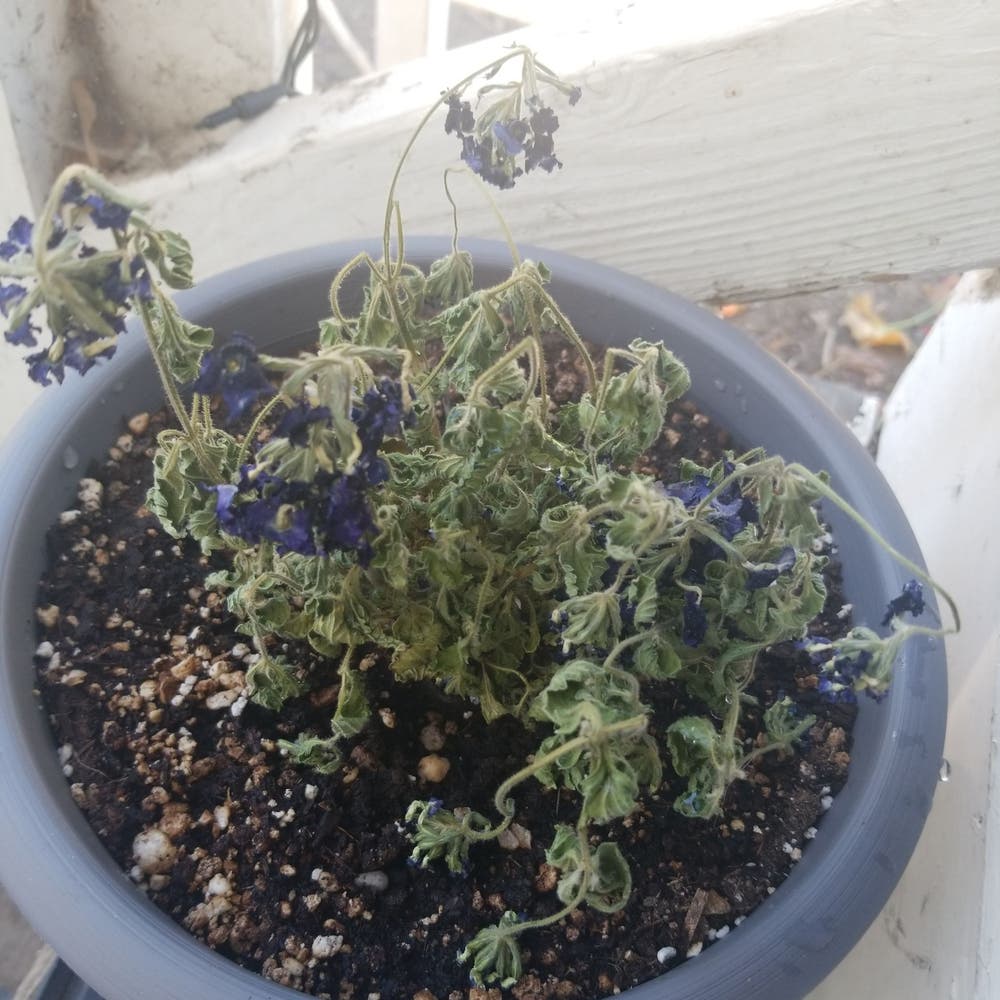
Step-by-Step Guide to Lanai Verbena Flowers 🦋
Verbena 'Lanai'
By the Greg Editorial Team
Oct 15, 2024•5 min read
This article was created with the help of AI so we can cover more plants for you. May contain errors. See one? Report it here.
Unlock a vibrant garden oasis with Lanai Verbena's stunning blooms! 🌼 Your outdoor space will thank you! 🌱
- 🌸 Lanai Verbena blooms in vibrant colors, attracting pollinators and enhancing garden beauty.
- ☀️ Requires 6-8 hours of sunlight and consistent moisture for optimal flowering.
- 🌱 Resilient perennial allows for multiple blooming cycles, enriching your garden year-round.
Flowering Status
Clarification on Flowering Status 🌸
Lanai Verbena is a showstopper when it comes to flowering. Its vibrant clusters of blooms are a feast for the eyes, making it a favorite in ornamental gardens.
These flowers come in stunning shades of purple, pink, and white. Their bright colors not only enhance garden aesthetics but also play a crucial role in attracting pollinators.
Flowering is essential for the ornamental use of Lanai Verbena. The blooms create a lively atmosphere, drawing attention and admiration from anyone who passes by.
In summary, the flowering status of Lanai Verbena is not just a visual delight; it’s a key aspect of its charm and utility in landscaping.
Flower Characteristics
Description of Flower Colors and Structure 🌈
Lanai Verbena flowers are a sight to behold, forming small, densely packed clusters that create a vibrant display. These clusters typically measure 1-2 inches in diameter, showcasing five-petaled flowers that form a charming tubular shape.
Self-Pollination vs. External Pollination 🐝
Interestingly, Lanai Verbena is primarily self-pollinating, which means it can thrive without relying on external factors. However, it also attracts pollinators like bees and butterflies, enhancing its flowering potential and contributing to a lively garden atmosphere.
This dual strategy not only ensures the plant's survival but also enriches the surrounding ecosystem. By understanding these characteristics, you can appreciate the beauty and resilience of Lanai Verbena even more.
As we explore the blooming process next, you'll see how these flowers transition from buds to full bloom, adding even more charm to your garden.
Blooming Process
🌱 Stages of Blooming
The blooming process of Lanai Verbena begins with bud formation, where small flower buds develop. This initial stage is crucial as it sets the stage for the vibrant display to come.
As the buds mature, they transition into full bloom, showcasing their colorful clusters. This transformation is a delightful sight, marking the peak of the flowering cycle.
⏳ Typical Bloom Time and Duration
Lanai Verbena typically blooms from late spring to early fall. This extended blooming season allows gardeners to enjoy their beauty for several months.
Each flower lasts about 2-3 weeks, providing a consistent splash of color in your garden. This duration ensures that the plant remains visually appealing throughout its blooming period.
⏲️ Time from Bud Formation to Full Bloom
On average, it takes 2-3 weeks from bud formation to reach full bloom. This timeframe allows for a gradual unveiling of the flowers, creating anticipation for their vibrant display.
Understanding this blooming timeline can help you plan your garden and enjoy the stunning beauty of Lanai Verbena. With proper care, you can witness this enchanting process year after year.
As we explore how to encourage these blooms, you'll discover practical tips to enhance your gardening experience.
Encouraging Blooms
🌼 Tips for Encouraging Flowering
To get your Lanai Verbena blooming beautifully, start with sunlight. Aim for 6-8 hours of direct sunlight daily to keep those vibrant colors coming.
Next, focus on watering. Keep the soil consistently moist but avoid waterlogging, which can harm the roots.
Fertilization is also key. Use a balanced fertilizer every 4-6 weeks during the growing season to provide essential nutrients.
🌱 Factors Influencing Flowering
Soil quality plays a significant role in flowering success. Well-draining, nutrient-rich soil is crucial for promoting those stunning blooms.
Temperature is another important factor. Lanai Verbena thrives in warm climates, with an ideal temperature range of 70°F to 85°F (21°C to 29°C) for optimal growth.
By paying attention to these tips and factors, you can create the perfect environment for your Lanai Verbena to flourish. This will not only enhance your garden's beauty but also attract pollinators, enriching your outdoor space.
With the right care, your Verbena will reward you with a stunning display of flowers throughout the blooming season.
Post-Flowering Care
What Happens After Flowering 🌼
Once the vibrant flowers of Lanai Verbena fade, they drop off, paving the way for seed formation. This natural process is essential for the plant's lifecycle and can lead to new growth in the right conditions.
Dormancy in Cooler Months ❄️
As temperatures dip, the plant may enter a dormant phase. During this time, it conserves energy, preparing for the next blooming season.
Longevity of the Plant Post-Bloom 🌱
Lanai Verbena is a resilient perennial, meaning it doesn’t perish after flowering. With the right care, you can enjoy multiple blooming cycles throughout its life, bringing continuous color to your garden.
Caring for Your Verbena 💧
To ensure your plant thrives post-bloom, maintain consistent watering and provide adequate sunlight. This attention will help it bounce back beautifully when the growing season returns.
Embrace the Cycle 🔄
Understanding the post-flowering phase allows you to appreciate the full lifecycle of Lanai Verbena. By nurturing it through dormancy, you're setting the stage for a vibrant comeback.
As we transition to the unique aspects of this remarkable plant, let’s explore its unusual characteristics and reproductive strategies that make it a favorite among gardeners.
Unique Aspects
🌼 Unusual Characteristics Related to Flowering
While Lanai Verbena is celebrated for its vibrant flowers, some varieties are specifically bred for their stunning foliage. These plants showcase lush, colorful leaves that can be just as captivating as the blooms.
Additionally, Lanai Verbena has a unique ability to attract pollinators like bees and butterflies. This not only enhances its own flowering potential but also boosts overall garden biodiversity.
🧬 Trivia About Reproductive Strategy
One of the standout features of Lanai Verbena is its resilience across various climates. This adaptability makes it a favorite choice for landscaping, as it thrives in both hot and cooler environments.
After flowering, the plant can reproduce through seeds, allowing it to spread in suitable areas. This natural reproductive strategy contributes to its popularity and ensures a vibrant garden year after year.
With these unique aspects in mind, let's explore how to encourage more blooms from your Lanai Verbena.
⚠️ Safety First
This content is for general information and may contain errors, omissions, or outdated details. It is not medical, veterinary advice, or an endorsement of therapeutic claims.
Always consult a qualified healthcare professional before using any plant as food, medicine, or supplement.
Never eat any plant (or feed one to pets) without confirming its identity with at least two trusted sources.
If you suspect poisoning, call Poison Control (800) 222-1222, the Pet Poison Helpline (800) 213-6680, or your local emergency service immediately.
Spotted an error? Please report it here.
Transform your garden with vibrant Lanai Verbena blooms 🌼 by using Greg's tailored care reminders to keep your flowers thriving all season long!