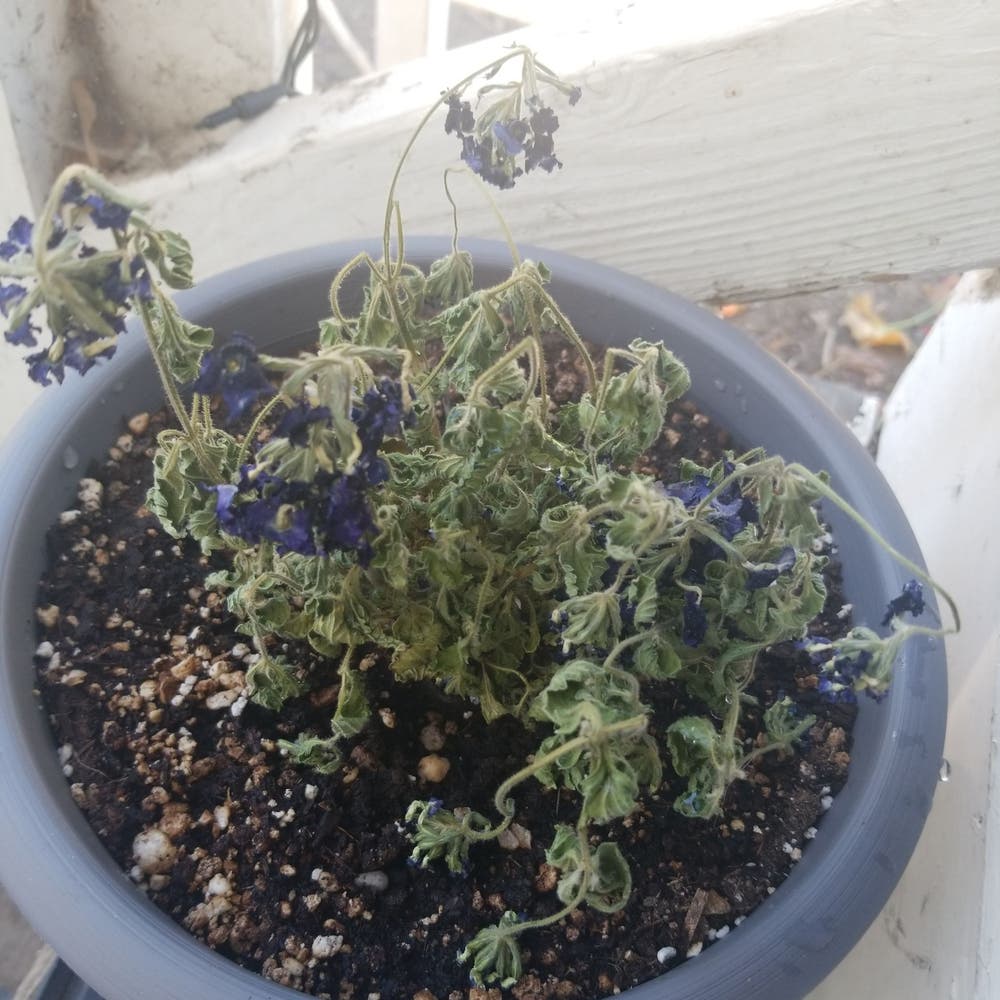
🪴 Step-by-Step Guide to Choosing Soil for Lanai Verbena
Verbena 'Lanai'
By the Greg Editorial Team
Oct 15, 2024•5 min read
This article was created with the help of AI so we can cover more plants for you. May contain errors. See one? Report it here.
Unlock vibrant blooms 🌸 by mastering soil health for your Lanai Verbena—your garden will thank you!
- 🌱 Moldy soil indicates overwatering; improve air circulation to protect your Lanai Verbena.
- 💧 Check for compacted soil to ensure proper root growth and water retention.
- 🧪 Maintain soil pH between 6.0 and 7.0 for optimal nutrient availability.
Identifying Unhealthy Soil
🚩 Signs of Unhealthy Soil
Moldy Soil
Moldy soil is often the first red flag that something is off. Look for white or gray mold on the surface, which usually indicates overwatering or poor air circulation.
Compaction
Compacted soil presents a hard, crusty surface that can hinder drainage. This compaction negatively impacts root growth and water retention, making it difficult for your Lanai Verbena to thrive.
Poor Drainage
Standing water or slow absorption are clear indicators of poor drainage. These conditions can lead to root rot and other health issues for your plants.
🧪 How to Test Soil Health
Visual Inspection
Start with a visual inspection of your soil. Check for mold, compaction, and any color changes, while also assessing moisture levels and texture.
pH Testing
Regular pH checks are crucial for maintaining soil health. Use soil testing kits or probes to ensure your soil remains within the ideal range for optimal growth.
Understanding these signs and testing methods will help you identify unhealthy soil conditions. This knowledge sets the stage for resolving any issues, ensuring your Lanai Verbena flourishes.
Resolving Soil Issues
🌱 Solutions for Moldy Soil
Removal
To tackle moldy soil, start by carefully removing the top layer where the mold is visible. Discarding this affected soil is crucial to prevent the mold from spreading further.
Treatment
Next, treat the remaining soil with organic fungicides or natural remedies like a vinegar solution. Additionally, improving air circulation around your Lanai Verbena can significantly help in preventing future mold growth.
Prevention
To avoid mold issues in the first place, adopt best practices such as adjusting your watering techniques and selecting the right pot. Ensure pots have adequate drainage to keep moisture levels in check.
💧 Improving Soil Drainage
Amendments
For better drainage, consider adding materials like perlite, sand, or vermiculite to your soil. A good starting ratio is to mix one part amendment to three parts existing soil for optimal results.
Techniques
Implementing raised beds or using containers can enhance drainage significantly. Always remember the importance of drainage holes in pots; they are essential for preventing water from pooling and causing root rot.
By addressing these soil issues, you set a solid foundation for your Lanai Verbena to thrive. Next, let’s explore how to create a homemade soil mix tailored to your plant's needs.
Recommended Soil pH Range
🌱 Specific Needs for Lanai Verbena
For thriving Lanai Verbena, maintaining an ideal soil pH range of 6.0 to 7.0 is crucial. This slightly acidic to neutral pH level ensures optimal nutrient availability, promoting robust plant health and vibrant blooms.
📊 Effects of pH on Nutrient Availability
Soil pH directly impacts how well plants can absorb nutrients. If the pH is too high or too low, essential nutrients may become locked away, leading to deficiencies that can stunt growth or affect flowering.
🔬 Soil Testing for pH
Methods for Testing Soil pH
Testing your soil's pH is straightforward. You can use pH testing kits or digital probes, both of which provide quick and accurate results.
Frequency of Testing for Optimal Growth
Regular testing is key to maintaining healthy soil. Aim to check your soil pH at least once a season to ensure it stays within the ideal range for your Lanai Verbena.
📝 Conclusion
Understanding and managing soil pH is vital for the health of your Lanai Verbena. With the right pH and regular testing, you can cultivate a thriving garden that showcases the beauty of these vibrant plants. Next, let’s explore how to create a homemade soil mix that meets all the needs of your Lanai Verbena.
Creating a Homemade Soil Mix
Ingredients for an Ideal Homemade Mix 🌱
Creating the perfect soil mix for your Lanai Verbena is straightforward. Start with a solid foundation: use 50% potting soil or compost as your base.
For drainage, incorporate 25% perlite or coarse sand. This helps prevent waterlogging, ensuring your plants thrive. Finally, add 25% organic matter, such as well-rotted manure, to enrich the soil with nutrients.
Step-by-Step Guide to Mixing Soil for Lanai Verbena 🛠️
- Gather materials: Collect potting soil, perlite, and organic matter.
- Combine ingredients: In a large container, mix potting soil and perlite in a 2:1 ratio.
- Add organic matter: Stir in the organic matter thoroughly for even distribution.
- Check texture: The mix should feel light and crumbly, avoiding any compacted areas.
- Test pH: Ensure the soil falls within the ideal pH range of 6.0 to 7.0 for optimal growth.
With your homemade soil mix ready, you’re one step closer to nurturing healthy Lanai Verbena. Next, let’s explore soil amendments and nutrients to further boost your plant’s growth.
Soil Amendments and Nutrients
🌱 Recommended Amendments for Optimal Growth
When it comes to nurturing your Lanai Verbena, choosing the right fertilizers is crucial. Opt for slow-release or organic fertilizers, as they provide a steady supply of nutrients over time.
For application, follow the manufacturer's instructions, typically every 4-6 weeks during the growing season. This ensures your plants receive consistent nourishment without the risk of over-fertilization.
Adding organic matter, such as compost or well-rotted manure, can significantly enhance soil quality. Organic matter not only enriches the soil but also improves its structure, promoting better drainage and aeration.
🧪 Nutrient Needs Specific to Lanai Verbena
Understanding N-P-K ratios is essential for optimal growth. For flowering plants like Lanai Verbena, a balanced ratio of 10-10-10 or 5-10-5 is recommended to support blooming and overall health.
Keep an eye out for signs of nutrient deficiencies, such as yellowing leaves, stunted growth, or reduced flowering. If you notice these issues, consider amending your soil with the appropriate nutrients to restore balance and vitality.
By ensuring your Lanai Verbena receives the right amendments and nutrients, you set the stage for vibrant blooms and healthy growth. Next, let’s explore how to create a homemade soil mix tailored specifically for these beautiful plants.
⚠️ Safety First
This content is for general information and may contain errors, omissions, or outdated details. It is not medical, veterinary advice, or an endorsement of therapeutic claims.
Always consult a qualified healthcare professional before using any plant as food, medicine, or supplement.
Never eat any plant (or feed one to pets) without confirming its identity with at least two trusted sources.
If you suspect poisoning, call Poison Control (800) 222-1222, the Pet Poison Helpline (800) 213-6680, or your local emergency service immediately.
Spotted an error? Please report it here.
Nurture your Lanai Verbena with tailored soil solutions 🌿 from Greg, ensuring optimal growth and health with custom reminders and expert tips for the perfect mix!