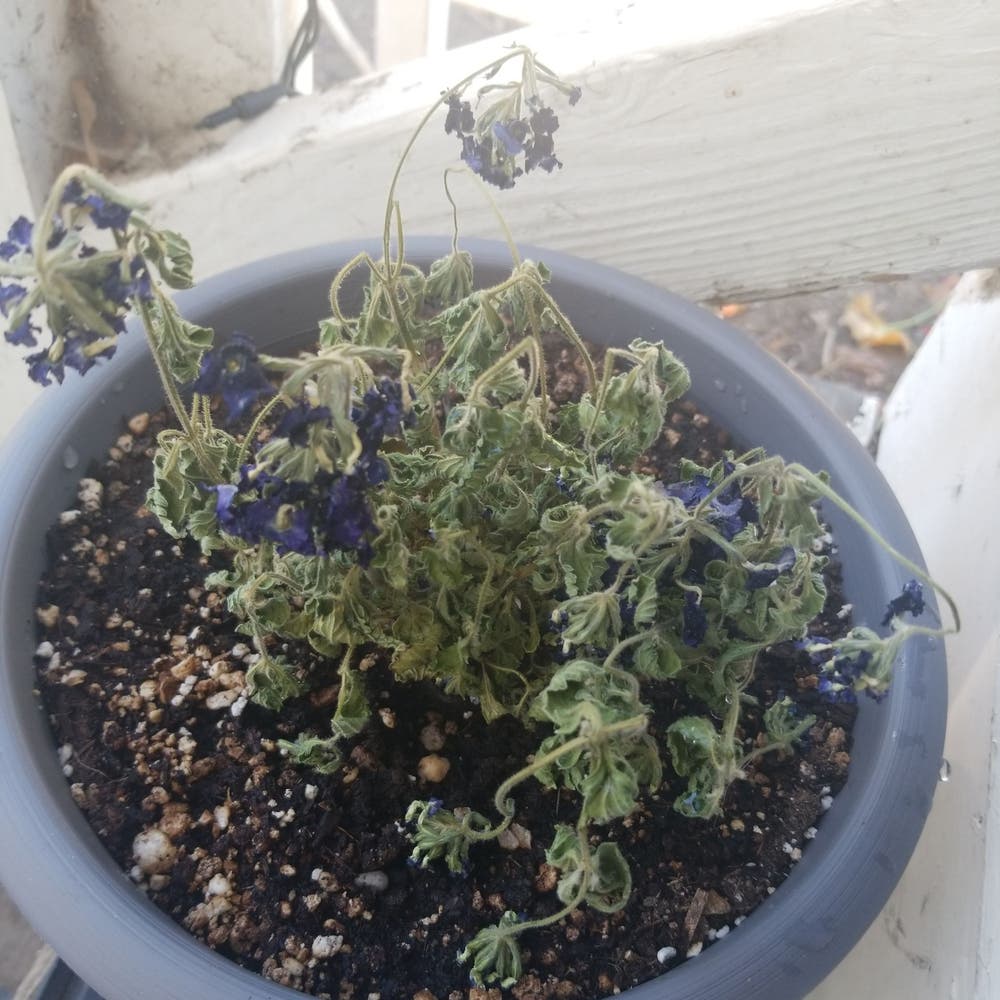
Step-by-Step Guide to Propagating Lanai Verbena
Verbena 'Lanai'
By the Greg Editorial Team
Oct 15, 2024•5 min read
This article was created with the help of AI so we can cover more plants for you. May contain errors. See one? Report it here.
Grow vibrant Lanai Verbena effortlessly 🌱 with these expert tips for propagating from cuttings and seeds!
- 🌱 Choose healthy 4-6 inch cuttings for successful Lanai Verbena propagation.
- 🌡️ Maintain 70°F to 75°F and use humidity domes for optimal rooting conditions.
- 💧 Avoid overwatering; keep soil moist to prevent root rot during propagation.
Propagating from Cuttings
🪴 Step-by-step instructions for taking cuttings
Select healthy stems: Look for stems that are 4-6 incheswell-draining soilm disease. Healthy cutLanai Verbenacial for successful propagation.
Make thehealthy root developmentcissors to cut just below a leaf node. This ensures a better chance for root development.
Remove lower leaves: Trim off the lower leaves to prevent rot. Keeping Waterutting clean helps it focus energy on root growth.
Optional: Dip cut ends in rooting hormone to encourage faster root development. This step can significantly boost your success rate.
🌱 Ideal conditions for rooting cuttings
Temperature: Maintain a warm environment between 70°F to 75°F (21°C to 24°C). Consistent warmth iLight for rooting success.
Humidity: Use a humidity dome or plastic bag to retain moisture. This creates a mini-greenhouse effect, helping your cuttings thrive.
Light: Provide indirect sunlight to prevent scorching. Too much dirlast frost datetress the cuttings and hinder growth.
❌ Common mistakes to avoid
Overwatering: Ensure the soil is moist but not soggy. Overly wet conditions can lead to root rot.
Insufficient light: Avoid placing cuttings in direct sunlight initially. They need gentle light to establish themselves.
Neglecting to check for rot: Regularly inspect cuttings for signs of decay. Early detection can save your propagation efforts.
By following these steps and avoiding common pitfalls, you’ll root developmentfor successful propagation of Lanai Verbena cuttings. Next, let’s explorsoil-borne diseasesfrom seeds for even more growth opportunities.
Propagating from Seeds
Step-by-step instructions for seed propagation 🌱
Prepare seed trays: Start by filling your seed trays with well-draining soil. This is crSoill for Lanai Verbena, as it helps prevent waterlogging and promotes healthy root development.
Sow snatural growth environmentenly across the surface of the soil. Lightly press them into the soil to ensure good contact, but drootsbury them too deep.
Water gently: Mist the soil with water to keep it moist without displacing the seeds. This gentoverwateringhelps maintain the delicate balance needed for germination.
Best practices for seed germination 🌼
- Temperature: Aim to keep the soil temperature around 70°F (21°C). This warmth is essential for optimal germinwell-draining
- Light: Provide bright, indirect light to encourage growth. Too much direct sunlight can scorch the delicate seedlings.
Timing for planting seeds ⏰
- Best time: For the best results, start your seeds indoors 6-8 weeks before the last frost date. Alternatively, you can sow them directly outdoors after the frost has passed.
By following these steps, you'll set a solid foundation for your Lanai Verbena plants. Next, let’s explore the differences betweLanai Verbenag in water versus soil, so you can choose the method that suits you best.
Propagation in Water vs. Soil
Pros and Cons of Each Method
Water Propagation
Water propagation is a popular choice for many gardeners.
- Pros: It allows you to epests monitor root development, giving you a clear view of growth. Additionally, there's less risk of soil-borne diseases, making it a safer option for Root rots.
powdery mildewr, transitioning from water to soil requires careful handling. If left in water too long, the roots can rot, leading to potential failure.
Temperatureation
Soil propagation offers a more traditional approach to plant growth.
Pros: This method provides a more natural growth environment, which can lead to Humidityr plants. It also reduces stress during the transition phhumiditye the roots are already in soil.
Cons: On the downside, monitoring root development is trickier. There's also a higher risk of overwatering, which cLanai Verbenar cuttings.
🌱 How to Transition from Water to Soil
Transitioning your cuttings from water to soil can be straightforward if done correctly.
Prepare a Pot: Start by filling a pot with well-draining soil. This is cruciatemperaturesy root establishment.
Gently Remove Roots: Carefully take the roots out of the water, ensuring you don’t damage them.
Place in Soil: Position the roots in the prepared soil and cover them lightly.
Water Lightly: Give the soil a gentle watering and keep an eye out for any signs of stress as the plant adjusts.
By uwatering frequencyros and cons of each propagation method, you can choose the best approach for your Lanai Verbena. This knowledge will set you up for success as you move on to tackling common challenges in propagation.
Common Challenges in Propagating Lanai Verbena
🐛 Pests and Diseases to Watch For
When propagating Lanai Verbena, keeping an eye out for pests is crucial. Common culprits include aphids, spider mites, and whiteflies, which can quickly damage your plants.
Diseases can also pose a threat. Root rot and powdery mildew are two issues that can derail your propagation efforts if not addressed promptly.
🌡️ Environmental Factors Affecting Propagation Success
Temperature fluctuations can be a real challenge. Maintaining consistent warmth is essential for optimal rooting, so try to keep your cuttings in a stable environment.
Humidity levels are another factor to monitor closely. Adjusting humidity can prevent your cuttings from drying out, ensuring they have the best chance to thrive.
By being vigilant about these challenges, you can set your Lanai Verbena up for success. Next, let’s explore the best seasonal considerations for propagation.
Seasonal Considerations for Propagation
Best Seasons for Propagation 🌱
Spring is the prime time for propagating Lanai Verbena. As temperatures rise, both cuttings and seeds thrive, making it the perfect season to get started.
Fall is also a great option, especially for cuttings. You can take advantage of the warm days before the first frost sets in.
Adjusting Care Based on Weather Conditions ☀️
In hot weather, your plants will need extra attention. Increase watering frequency and provide shade during peak sun hours to keep them healthy.
When temperatures drop, it's crucial to protect your cuttings. Bring them indoors or use a greenhouse to shield them from the cold.
With these seasonal tips, you'll set your Lanai Verbena up for success, ensuring robust growth and vibrant blooms.
⚠️ Safety First
This content is for general information and may contain errors, omissions, or outdated details. It is not medical, veterinary advice, or an endorsement of therapeutic claims.
Always consult a qualified healthcare professional before using any plant as food, medicine, or supplement.
Never eat any plant (or feed one to pets) without confirming its identity with at least two trusted sources.
If you suspect poisoning, call Poison Control (800) 222-1222, the Pet Poison Helpline (800) 213-6680, or your local emergency service immediately.
Spotted an error? Please report it here.
Propagate your Lanai Verbena like a pro 🌿 with Greg's tailored reminders and expert tips to ensure your cuttings thrive every step of the way!