🌸 Best Tips for Healthy Lanai Verbena Roots
Verbena 'Lanai'
By the Greg Editorial Team
Oct 15, 2024•6 min read
This article was created with the help of AI so we can cover more plants for you. May contain errors. See one? Report it here.
Cultivate vibrant lanai verbena by mastering root health and care techniques! 🌱🌼
- 🌱 Lanai verbena thrives in well-draining soil; monitor moisture to prevent root rot.
- 🌿 Healthy roots are firm and light-colored; yellowing leaves indicate overwatering issues.
- 🌞 Propagate in spring for best results; ensure roots have foliage for survival.
Root System Type
Fibrous System 🌱
The fibrous root system is a fascinating network of thin roots that spread out horizontally. This structure allows for efficient nutrient and water uptake, thanks to its extensive surface area.
Characteristics 🌟
One of the standout features of fibrous roots is their adaptability. They thrive in various soil types, particularly well-draining soils, which is essential for healthy growth.
However, this shallow growth can make them susceptible to overwatering. It's crucial to monitor moisture levels to prevent issues that can arise from excess water.
In summary, understanding the fibrous root system is key to nurturing healthy lanai verbena. With proper care, these roots can support vibrant plant life, setting the stage for lush foliage and beautiful blooms.
Next, we'll explore the typical depth, spread, and growth patterns of these roots to further enhance your gardening knowledge.
Root Depth, Spread, and Growth Patterns
🌱 Typical Depth and Spread
The root system of lanai verbena typically reaches an average depth of 6-12 inches (15-30 cm). Its roots can spread impressively, extending up to 2 feet (60 cm) wide, which allows for a robust foundation.
📈 Growth Patterns and Care Implications
Lanai verbena exhibits rapid lateral growth, enabling quick establishment in your garden or pots. This growth pattern means it requires consistent moisture without the risk of waterlogging, so keep an eye on your watering habits.
Additionally, the plant needs ample space for its roots to spread. This requirement influences both pot size and garden placement, ensuring your verbena thrives without feeling cramped.
Understanding these growth patterns helps you create an optimal environment for your lanai verbena, setting the stage for a flourishing plant. Next, let’s explore the essential aspects of watering, fertilizing, and transplanting to keep your verbena healthy and vibrant.
Watering, Fertilizing, and Transplanting
💧 Watering Needs
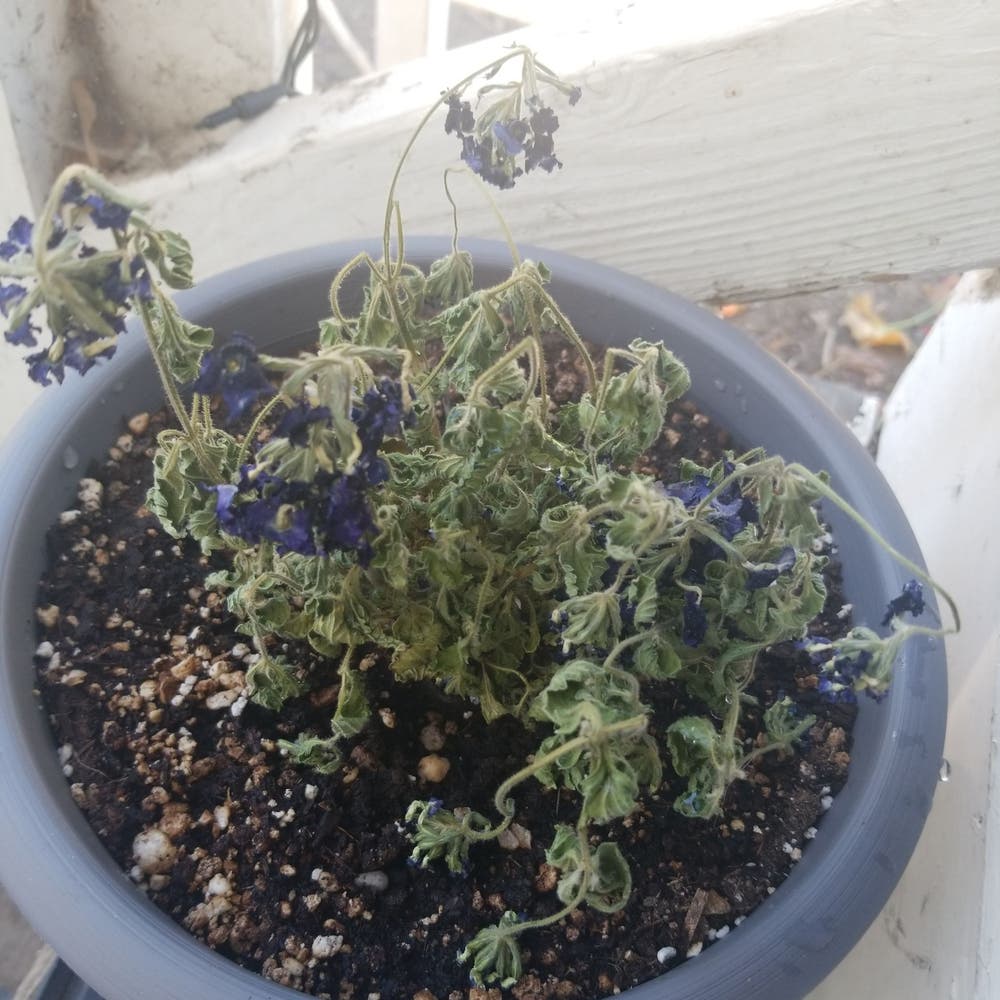
Regular watering is crucial for lanai verbena, especially during dry spells. Keep an eye out for yellowing leaves or wilting, which can indicate overwatering, even when the soil feels wet.
🌱 Fertilization Techniques
For optimal growth, use balanced NPK fertilizers throughout the growing season. Aim to fertilize every 4-6 weeks to ensure robust root development.
🌿 Transplanting Best Practices
Transplanting requires careful timing and technique.
- Timing: Choose cooler parts of the day for transplanting to minimize stress on the plant.
- Preparation: Water the plant thoroughly before you start the process.
- Technique: Gently loosen the root ball, taking care not to break any roots.
- Post-transplant care: Water immediately after transplanting and keep an eye out for any signs of stress.
By following these guidelines, you can ensure your lanai verbena thrives in its new environment. Next, let’s explore common root-related issues that can affect your plant’s health.
Common Root-Related Issues
🕵️ Identifying Root Rot and Causes
Root rot can be a sneaky problem for lanai verbena. Look out for symptoms like wilting, yellowing leaves, and a foul odor emanating from the soil.
The main culprits behind root rot are overwatering, poor drainage, and compacted soil. These factors create a perfect storm for roots to decay, leading to unhealthy plants.
🛠️ Solutions for Prevention
To prevent root rot, start with well-draining soil. A mix of potting soil and perlite works wonders for ensuring excess water can escape.
Adopt smart watering practices by allowing the top inch of soil to dry out between waterings. This simple step can save your plants from drowning.
Regular inspections are crucial. Check for signs of root rot early, and don’t hesitate to intervene if you notice any issues. Staying proactive can keep your lanai verbena thriving.
By understanding these common root-related issues, you can take the necessary steps to maintain a healthy root system. This knowledge sets the stage for the next section on indicators of root health, helping you recognize when your plants are flourishing or faltering.
Indicators of Root Health
👀 Visual Cues for Healthy vs. Unhealthy Roots
Healthy roots are a gardener's pride. Look for roots that are firm, white, or light tan in color, indicating vitality and strength.
In contrast, unhealthy roots present a worrying sight. Dark brown or black roots that feel mushy and emit a foul smell signal serious issues that need immediate attention.
⚠️ Other Indicators
Beyond root color and texture, plant vigor is a crucial indicator of root health. Lush foliage and abundant blooms are clear signs that your roots are thriving.
On the flip side, stunted growth or wilting can be red flags. These symptoms often point to underlying root problems that require prompt action to restore your plant's health.
Understanding these indicators can empower you to take better care of your lanai verbena. By keeping a close eye on root health, you can ensure your plants flourish beautifully.
Next, let’s explore rootbound conditions and how to address them effectively.
Rootbound Conditions
Definition and Signs 🌱
Rootbound conditions occur when roots grow in circles around the pot, restricting their growth. You can spot this issue if roots are protruding from drainage holes, the plant shows stunted growth, or water absorption becomes poor.
Addressing Rootbound Issues 🛠️
To tackle rootbound problems, timing is key. Check for these conditions during repotting or seasonal changes.
- Repotting: Move the plant into a larger container to give roots more room to expand.
- Trimming: If roots are excessively long, trim them back to encourage new growth.
By addressing rootbound conditions promptly, you can ensure your lanai verbena thrives and continues to flourish. This proactive approach not only supports healthy root development but also enhances overall plant vigor.
Next, let’s explore how to identify and resolve common root-related issues that can affect your plant's health.
Propagation and Division
🌱 Importance of Root Health
Healthy roots are the backbone of successful propagation and division. Without robust roots, your plants may struggle to thrive in their new environments.
🛠️ Techniques for Dividing and Propagating
1. Timing
The best time to propagate is in spring or early summer. This timing aligns with the plant's natural growth cycle, enhancing success rates.
2. Method
- Carefully dig up the plant: Use a spade or garden fork to gently lift the plant from the soil.
- Separate root clumps: Gently pull apart the root sections, ensuring each has some foliage attached.
- Replant immediately: Place the divided sections into well-draining soil to minimize stress.
3. Post-propagation care
Water the newly planted sections thoroughly. Provide indirect sunlight until they establish themselves, ensuring they have a nurturing environment to grow.
By following these techniques, you can ensure your lanai verbena thrives and continues to flourish. This not only enhances your garden but also deepens your connection with your plants.
Next, we’ll explore how to identify and address root-related issues to keep your plants healthy and vibrant.
⚠️ Safety First
This content is for general information and may contain errors, omissions, or outdated details. It is not medical, veterinary advice, or an endorsement of therapeutic claims.
Always consult a qualified healthcare professional before using any plant as food, medicine, or supplement.
Never eat any plant (or feed one to pets) without confirming its identity with at least two trusted sources.
If you suspect poisoning, call Poison Control (800) 222-1222, the Pet Poison Helpline (800) 213-6680, or your local emergency service immediately.
Spotted an error? Please report it here.
Cultivate vibrant lanai verbena roots 🌱 by using Greg's personalized watering reminders and care tips to ensure your plants thrive with consistent moisture and well-draining soil!