✂️ Step-by-Step Guide to Trimming Lanai Verbena
Verbena 'Lanai'
By the Greg Editorial Team
Oct 15, 2024•4 min read
This article was created with the help of AI so we can cover more plants for you. May contain errors. See one? Report it here.
Unlock a vibrant garden 🌼 by mastering pruning and deadheading for your lanai verbena!
- 🌱 Prune lanai verbena in spring and summer for optimal growth and flowering.
- ✂️ Deadhead every 2-3 weeks to encourage blooms and prevent diseases.
- 🌿 Avoid over-pruning; leave one-third of the plant intact for healthy recovery.
When to Prune
🌱 Best Seasons for Pruning
Timing is everything when it comes to pruning lanai verbena. The best seasons to tackle this task are early spring, just before new growth kicks in, and late summer, after the first bloom cycle has wrapped up.
🚨 Signs of Overgrowth
Recognizing when your verbena needs attention is crucial. Look for sparse flowering, which indicates fewer blooms than expected, or a leggy appearance with long stems and few leaves.
Crowded growth is another red flag; if your plants are competing for space, it’s time to prune.
⏰ Timing for Deadheading
Deadheading is essential for keeping your verbena vibrant. Aim to remove spent flowers immediately after they bloom to encourage new growth.
Additionally, make it a habit to deadhead every 2-3 weeks during the growing season for optimal results.
With these pruning tips in mind, you’ll be well on your way to a flourishing garden. Next, let’s explore the art of deadheading and how it can enhance your plants' health.
Deadheading
🌼 What is Deadheading?
Deadheading is the process of removing spent flowers from your lanai verbena. This simple act encourages new growth and prevents the plant from wasting energy on seed formation.
🌱 Importance of Deadheading
By deadheading, you redirect the plant's energy back into producing vibrant blooms. This not only enhances the visual appeal but also keeps your verbena healthy and thriving.
🌸 Benefits for Plant Health
🌺 Extends Blooming Period
Regular deadheading leads to a longer blooming period, ensuring your garden remains colorful throughout the season. You'll enjoy more vibrant flowers, adding life to your outdoor space.
🦠 Reduces Disease Risk
Removing decaying flowers minimizes the risk of fungal infections. This proactive step helps maintain the overall health of your plants.
✂️ Step-by-Step Instructions
1. Identify Spent Flowers
Start by looking for wilted or brown blooms. These are the flowers that need to be removed.
2. Use Sharp Shears
With sharp shears in hand, cut just above the first set of healthy leaves. This technique promotes new growth and keeps your plant looking tidy.
3. Dispose of Cuttings
Finally, dispose of the cuttings properly. This prevents disease spread and keeps your garden clean.
Deadheading is a straightforward yet essential practice that can significantly enhance the health and appearance of your lanai verbena. By incorporating this into your gardening routine, you'll foster a more vibrant and resilient plant.
Next, let’s explore some common pruning mistakes to avoid for optimal growth.
Common Pruning Mistakes
✂️ Over-Pruning vs. Under-Pruning
Over-pruning can be a common pitfall for gardeners. Look for signs like stunted growth and reduced flowering; these indicate that too much has been cut away.
To correct this, ensure you leave at least one-third of the plant intact. This allows it to recover and thrive.
On the flip side, under-pruning can lead to leggy growth and poor air circulation. If your verbena looks sparse and stretched, it’s time to trim back.
To promote bushier growth, cut back the plant strategically. This encourages a fuller, healthier appearance.
🚨 Recognizing Signs of Stress
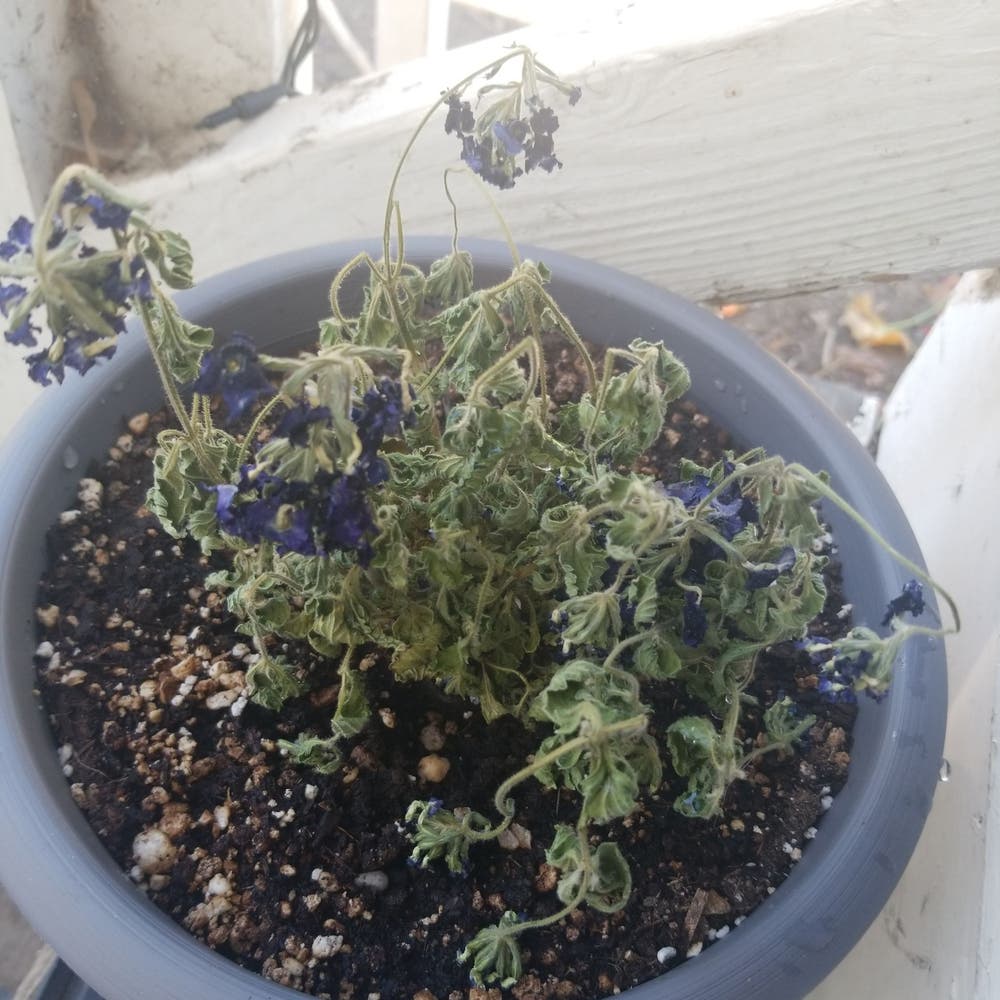
Keep an eye out for wilting leaves, as they can indicate potential over-pruning or drought stress. If your plants are drooping, it’s a signal to reassess your care routine.
Yellowing foliage is another red flag. This may signal nutrient deficiencies or root issues that need immediate attention.
🛠️ How to Correct Errors
First, assess the extent of damage to your verbena. Determine if the plant can recover from your pruning mistakes.
Next, adjust your watering and fertilization practices. Providing the right support can help your plant bounce back and flourish.
By being mindful of these common mistakes, you can ensure your lanai verbena remains healthy and vibrant. Now, let’s explore how to care for your plants after pruning.
Post-Pruning Care
🌱 Aftercare for Pruned Verbena
After pruning your lanai verbena, proper aftercare is crucial for its recovery. Start with consistent watering; keep the soil moist but avoid waterlogging, which can lead to root rot.
Mulching is another essential step. Apply a layer of mulch around the base to help retain moisture and suppress weeds, creating a healthier environment for your plants.
🔍 Monitoring Growth
Regular checks on your verbena will help you catch any issues early. Look for signs of new growth and blooming to ensure your plant is thriving.
Be prepared to adjust your care routine as needed. If you notice changes in growth patterns, modify your watering and fertilization accordingly to support your plant's needs.
🌼 Fertilization Considerations
Timing is key when it comes to fertilization. Aim to fertilize your verbena 2-4 weeks after pruning to give it the nutrients it needs for recovery.
Choose a balanced, slow-release fertilizer. This type will support steady growth and help your verbena bounce back beautifully.
With these aftercare tips, your lanai verbena will be on its way to a vibrant and healthy growing season. Next, let’s explore common pruning mistakes to avoid for the best results.
⚠️ Safety First
This content is for general information and may contain errors, omissions, or outdated details. It is not medical, veterinary advice, or an endorsement of therapeutic claims.
Always consult a qualified healthcare professional before using any plant as food, medicine, or supplement.
Never eat any plant (or feed one to pets) without confirming its identity with at least two trusted sources.
If you suspect poisoning, call Poison Control (800) 222-1222, the Pet Poison Helpline (800) 213-6680, or your local emergency service immediately.
Spotted an error? Please report it here.
Transform your lanai verbena into a blooming masterpiece 🌸 with Greg's tailored pruning reminders and expert tips to keep your garden thriving!