What to Know About Growing Your Lanai Verbena Indoors 🪴
Verbena 'Lanai'
By the Greg Editorial Team
Oct 15, 2024•5 min read
This article was created with the help of AI so we can cover more plants for you. May contain errors. See one? Report it here.
Transform your lanai verbena into a blooming beauty 🌸 with essential tips on light, water, and humidity!
- 🌞 Lanai verbena needs 6-8 hours of bright, indirect sunlight for optimal growth.
- 💧 Water every 5-7 days, ensuring the top inch of soil dries out.
- 🌿 Maintain humidity at 40-60% and monitor for pests to keep plants healthy.
Light Requirements
Ideal Light Conditions 🌞
To thrive, your lanai verbena needs 6-8 hours of bright, indirect sunlight each day. Position it near south or west-facing windows to maximize light exposure.
If your plant is showing leggy growth, producing fewer blooms, or developing pale leaves, it’s a sign it’s not getting enough light.
Role of Grow Lights 💡
In winter or low-light conditions, grow lights can be a game changer. They supplement natural light, ensuring your plant gets the brightness it craves.
When selecting grow lights, consider these types:
- LED grow lights: Energy-efficient and long-lasting.
- Fluorescent lights: Ideal for seedlings and young plants.
For the best results, choose full-spectrum lights that mimic natural sunlight. Aim for 20-40 watts for small indoor setups, and keep the light 12-24 inches above the plant to avoid leaf burn.
With the right light conditions, your lanai verbena will flourish, setting the stage for healthy growth. Next, let’s dive into its watering needs to keep your plant hydrated and happy.
Watering Needs
Frequency and Amount 🌊
To keep your lanai verbena thriving, establish a consistent watering schedule. Allow the top inch of soil to dry out between waterings, typically every 5-7 days, adjusting as needed based on humidity and temperature.
Signs of Overwatering and Underwatering 🚨
Recognizing the signs of overwatering is crucial. Look for yellowing leaves, wilting, and root rot as indicators that you might be giving too much water.
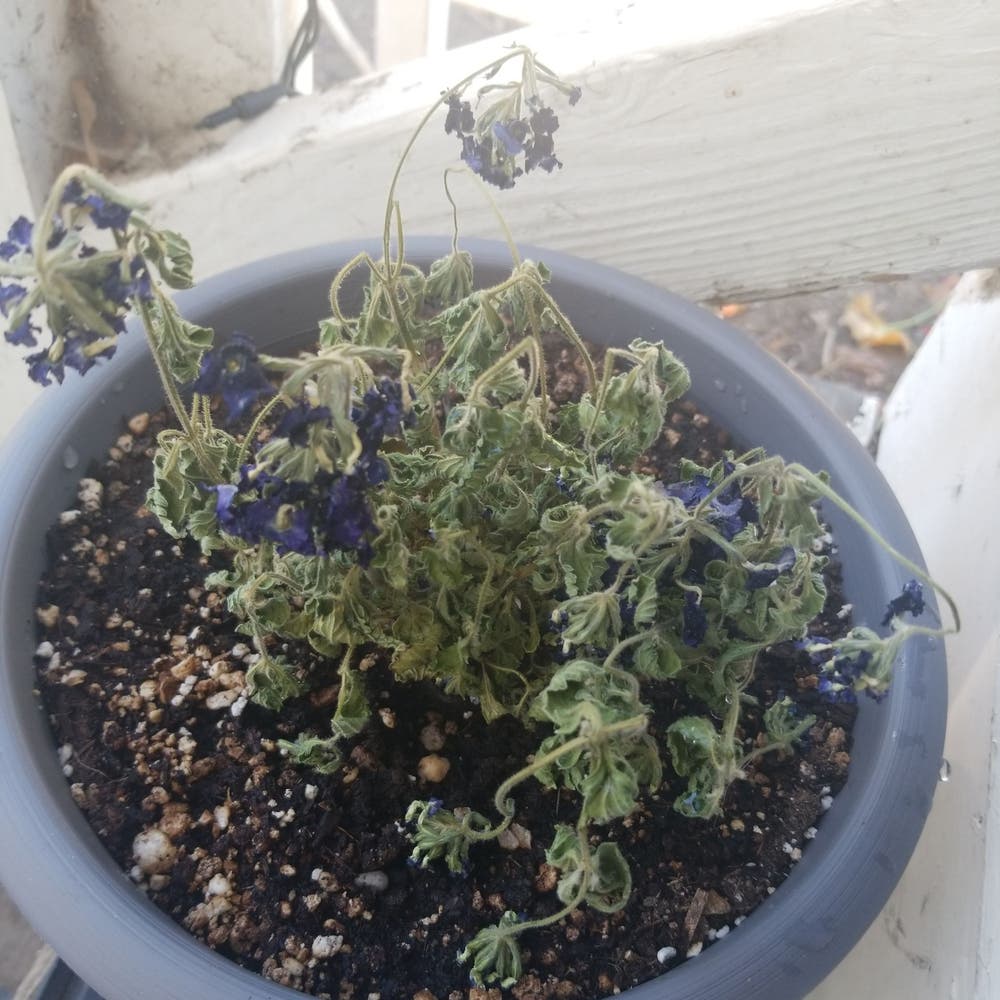
On the flip side, underwatering can lead to drooping leaves, dry soil, and stunted growth. If you notice these symptoms, it’s time to reassess your watering routine.
Solutions 🛠️
Adjust your watering frequency based on how your plant responds to its environment. Keeping an eye on these signs will help you maintain a healthy and vibrant lanai verbena.
With proper watering practices, your plant will flourish, setting the stage for the next essential care aspect: humidity and temperature.
Humidity and Temperature
Optimal Humidity Levels 🌧️
For your lanai verbena to thrive, aim for a humidity level between 40-60%. This range creates the perfect environment for growth and blooming.
To maintain this humidity, consider using a humidifier or placing pebble trays filled with water near your plants. Grouping plants together can also help create a microclimate, enhancing moisture retention.
Temperature Preferences 🌡️
The ideal temperature for your lanai verbena is between 65°F to 75°F (18°C to 24°C). Keeping your plant within this range will promote healthy growth and vibrant blooms.
As seasons change, be mindful of temperature fluctuations. Protect your plant from drafts and sudden temperature changes, and during winter, consider moving it away from heating vents to avoid stress.
With the right humidity and temperature, your lanai verbena will flourish beautifully. Next, let’s explore the best soil and fertilization practices to keep your plant healthy and thriving.
Soil and Fertilization
Best Soil Type 🌱
For your lanai verbena to thrive, start with a well-draining potting mix. Adding perlite or sand enhances drainage, preventing root rot.
The ideal pH level for this plant ranges from slightly acidic to neutral, specifically between 6.0 and 7.0. This balance helps your verbena absorb nutrients effectively.
Fertilization Schedule 🗓️
Fertilizing your lanai verbena every 4-6 weeks during the growing season is crucial for robust growth. This regular feeding ensures your plant has the nutrients it needs to flourish.
Consider using a balanced liquid fertilizer, like a 10-10-10 mix, but dilute it to half strength for optimal results. Organic options, such as fish emulsion or compost tea, can also provide excellent nourishment without harsh chemicals.
Maintaining the right soil and fertilization routine will set your lanai verbena up for success. Next, let’s explore common issues and solutions to keep your plant healthy and vibrant.
Common Issues and Solutions
🐛 Pests and Diseases
Common Pests
Pests can be a real headache for your lanai verbena. Keep an eye out for aphids, which cause curled leaves and sticky residue.
Spider mites are another culprit; they leave fine webbing and stippled leaves in their wake. Lastly, whiteflies are tiny white insects that often hide on the undersides of leaves.
🛡️ Prevention and Treatment
Preventing pests is easier than dealing with them later. Regular inspections and maintaining plant health are crucial.
Using insecticidal soap can help keep these nuisances at bay. If pests do appear, consider neem oil or insecticidal soap for treatment, and introducing beneficial insects like ladybugs can also be effective.
✂️ Maintenance Tips
Pruning and Deadheading
Pruning and deadheading are essential for a thriving plant. Deadheading encourages continuous blooming and prevents seed formation, keeping your verbena looking fresh.
When pruning, trim back any leggy growth and remove dead or yellowing leaves to promote healthy growth.
📍 Placement Tips
Placement is key to your plant's health. Position your lanai verbena near windows with ample light and away from drafts to create an ideal environment.
Avoid overcrowding your plants; good air circulation is vital for preventing diseases and ensuring robust growth.
Transitioning to the next section, understanding seasonal care will help you adapt your routine as your plant grows and changes throughout the year.
Seasonal Care
Adjusting Care Routines 🌱
As the seasons change, so should your care routine for lanai verbena. In spring and summer, ramp up your watering and fertilization frequency to support the plant's growth spurt.
Conversely, during fall and winter, it's time to dial back. Reduce watering and keep an eye on temperature fluctuations to ensure your plant stays healthy.
Preparing for Seasonal Changes 🍂
Transitioning your lanai verbena indoors can be a bit tricky. Gradually acclimate the plant to lower light levels to avoid shock.
In winter, consider using grow lights to supplement natural light. This will help your plant thrive even on the shortest days.
By adjusting your care routines and preparing for seasonal changes, you can keep your lanai verbena flourishing year-round. Next, let’s explore the essential aspects of soil and fertilization for optimal growth.
⚠️ Safety First
This content is for general information and may contain errors, omissions, or outdated details. It is not medical, veterinary advice, or an endorsement of therapeutic claims.
Always consult a qualified healthcare professional before using any plant as food, medicine, or supplement.
Never eat any plant (or feed one to pets) without confirming its identity with at least two trusted sources.
If you suspect poisoning, call Poison Control (800) 222-1222, the Pet Poison Helpline (800) 213-6680, or your local emergency service immediately.
Spotted an error? Please report it here.
Transform your indoor space with vibrant lanai verbena 🌼 by using Greg for tailored care reminders that keep your plant thriving in perfect light and moisture conditions!