Best Temperature Conditions for Lanai Verbena ☀️
Verbena 'Lanai'
By the Greg Editorial Team
Oct 15, 2024•4 min read
This article was created with the help of AI so we can cover more plants for you. May contain errors. See one? Report it here.
Ensure your lanai verbena blooms beautifully 🌼 by mastering temperature stress and protective care techniques!
- 🌡️ Lanai verbena thrives best between 70°F and 85°F for optimal blooming.
- ❄️ Cold stress causes wilting and leaf drop; protect plants below 50°F (10°C).
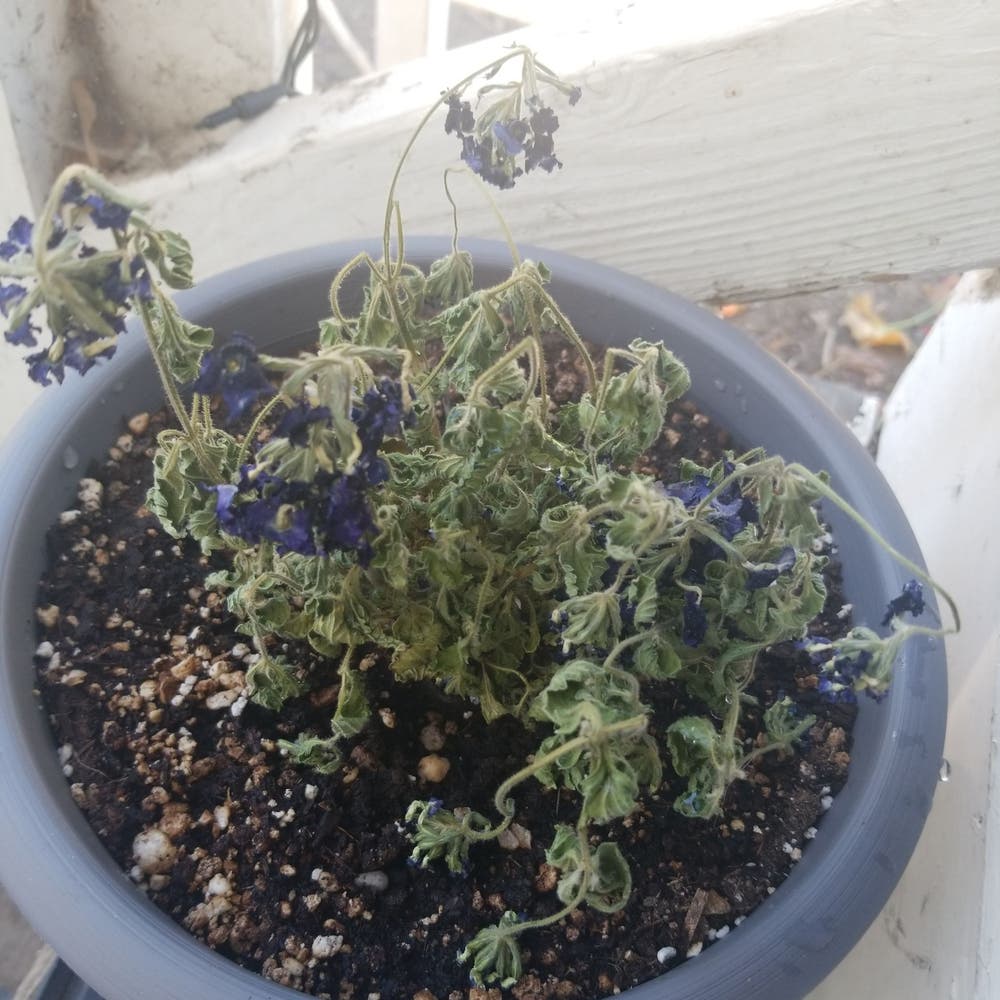
- 🌞 Extreme temperatures lead to leaf curling and reduced flowers; monitor conditions closely.
Temperature Stress in Verbena
🌡️ Signs of Heat Stress
Heat stress can be a real challenge for lanai verbena. Look out for leaf curling and wilting, which indicate the plant is struggling with excessive heat.
Discoloration is another telltale sign; leaves may turn yellow or brown. Additionally, you might notice reduced blooming, with fewer flowers or smaller blooms than usual.
❄️ Signs of Cold Stress
Cold stress manifests in several ways. One common sign is leaf drop, where the plant prematurely sheds its leaves.
You may also see wilting despite adequate watering, indicating root stress. Lastly, stunted growth can occur, leading to slower development during those cooler months.
🔍 Causes of Temperature Stress
Temperature stress often arises from sudden fluctuations. Rapid changes can shock the plant, making it difficult for it to adapt.
Prolonged exposure to extreme temperatures, whether high or low, can also take a toll. Inadequate acclimatization is another culprit; if the plant fails to adapt to local climate conditions, it can suffer significantly.
Understanding these signs and causes can help you better care for your lanai verbena, ensuring it thrives in varying temperatures. Next, let’s explore how temperature impacts growth and flowering.
Impact of Temperature on Growth and Flowering
🌡️ Effects of High Temperatures on Blooming
For lanai verbena, the sweet spot for blooming lies between 70°F and 85°F (21°C to 29°C). When temperatures soar beyond this range, the consequences can be significant.
- Reduced Flower Size and Quantity: Excessive heat can stunt growth, leading to smaller blooms and fewer flowers overall.
- Premature Flowering or Bolting: High temperatures may trigger early flowering, disrupting the plant's natural cycle.
❄️ Effects of Low Temperatures on Growth
On the flip side, temperatures dipping below 50°F (10°C) can halt growth in its tracks. This chill can have a ripple effect on the plant's overall health.
- Growth Inhibition: Cold snaps can slow down development, leaving your verbena looking less vibrant.
- Flowering Delays: If temperatures remain low, blooming cycles can be postponed, leaving you waiting longer for those beautiful flowers.
Understanding these temperature impacts is crucial for nurturing healthy lanai verbena. By keeping an eye on the weather, you can help your plants thrive, ensuring they bloom beautifully when the time is right.
Next, let’s explore the geographic considerations that can influence your verbena's success.
Geographic Considerations
Best Regions for Growing Verbena 🌍
If you're looking to cultivate lanai verbena, targeting the right regions is crucial. The ideal USDA zones for this vibrant plant are 9 to 11, where warm climates reign supreme.
Southern states and coastal areas often provide the consistent warmth that verbena thrives on. These regions not only support healthy growth but also encourage abundant blooming.
Adapting to Local Climate Conditions 🌦️
For gardeners in cooler climates, adapting your approach can make all the difference. One effective strategy is to create microclimates that offer warmth, such as planting near walls or using windbreaks.
Container gardening is another smart option. It allows you to move your plants to sunnier spots or indoors during chilly nights, ensuring they stay protected and happy.
By understanding your local climate and employing these strategies, you can enjoy the beauty of lanai verbena, no matter where you live.
Mitigating Temperature Stress
🌞 Protective Measures for Extreme Heat
When the sun blazes down, providing shade for your lanai verbena is crucial. You can use shade cloth or strategically plant taller companions to shield them from harsh rays.
Mulching is another effective strategy. A good layer of mulch not only retains soil moisture but also helps regulate temperature, keeping those roots cool and happy.
❄️ Protective Measures for Cold Weather
As temperatures dip, covering your plants becomes essential. Frost cloths or blankets can protect your verbena from unexpected cold snaps, ensuring they stay cozy.
For container-grown verbena, relocation is key. Moving pots indoors or to sheltered areas during frost warnings can make all the difference in keeping your plants thriving.
By implementing these protective measures, you can help your lanai verbena flourish, regardless of the temperature extremes. Next, let’s explore the geographic considerations for growing this vibrant plant.
⚠️ Safety First
This content is for general information and may contain errors, omissions, or outdated details. It is not medical, veterinary advice, or an endorsement of therapeutic claims.
Always consult a qualified healthcare professional before using any plant as food, medicine, or supplement.
Never eat any plant (or feed one to pets) without confirming its identity with at least two trusted sources.
If you suspect poisoning, call Poison Control (800) 222-1222, the Pet Poison Helpline (800) 213-6680, or your local emergency service immediately.
Spotted an error? Please report it here.
Keep your Lanai verbena blooming beautifully 🌼 by using Greg's personalized care tips to maintain the perfect temperature for thriving growth!