🌸 9 Common Lanai Verbena Flowering Issues
Verbena 'Lanai'
By the Greg Editorial Team
Oct 15, 2024•5 min read
This article was created with the help of AI so we can cover more plants for you. May contain errors. See one? Report it here.
Unlock vibrant blooms for your lanai verbena 🌼 with essential tips on light, water, and nutrients!
- 🌞 Lanai verbena thrives with 6-8 hours of sunlight for optimal blooming.
- 🌱 Nutrient deficiencies in phosphorus and potassium lead to poor flowering and yellow leaves.
- 💧 Proper watering is essential; avoid both overwatering and underwatering for best blooms.
Failure to Bloom
🌞 Causes
Insufficient Light
Lanai verbena requires a minimum of 6-8 hours of direct sunlight daily. Without enough light, you'll notice leggy growth and sparse flowering.
Nutrient Deficiencies
Phosphorus and potassium are crucial for vibrant blooms. If your plants show yellowing leaves or stunted growth, they might be lacking these essential nutrients.
Improper Watering
Overwatering can lead to root rot, disrupting the bloom cycle. Conversely, underwatering stresses the plant, resulting in fewer flowers.
💡 Solutions
Adjusting Light Exposure
If your plants aren't getting enough sunlight, consider relocating them to sunnier spots. You can also use reflective surfaces to enhance light availability.
Fertilization Tips
Opt for a balanced fertilizer with a higher phosphorus content. Apply it every 4-6 weeks during the growing season to keep your plants thriving.
Watering Techniques
Water deeply but infrequently to encourage robust root growth. Always allow the soil to dry out between waterings to prevent overwatering issues.
By addressing these common causes and implementing effective solutions, you can help your lanai verbena flourish and enjoy a vibrant display of blooms. Next, let’s explore the issue of premature flower drop and how to tackle it effectively.
Premature Flower Drop
🌡️ Causes
Environmental Stress
Temperature fluctuations can wreak havoc on your lanai verbena. Extreme heat or cold not only stresses the plant but can also lead to premature flower drop.
Low humidity is another culprit. When the air is too dry, buds may drop before they even have a chance to bloom.
Overwatering
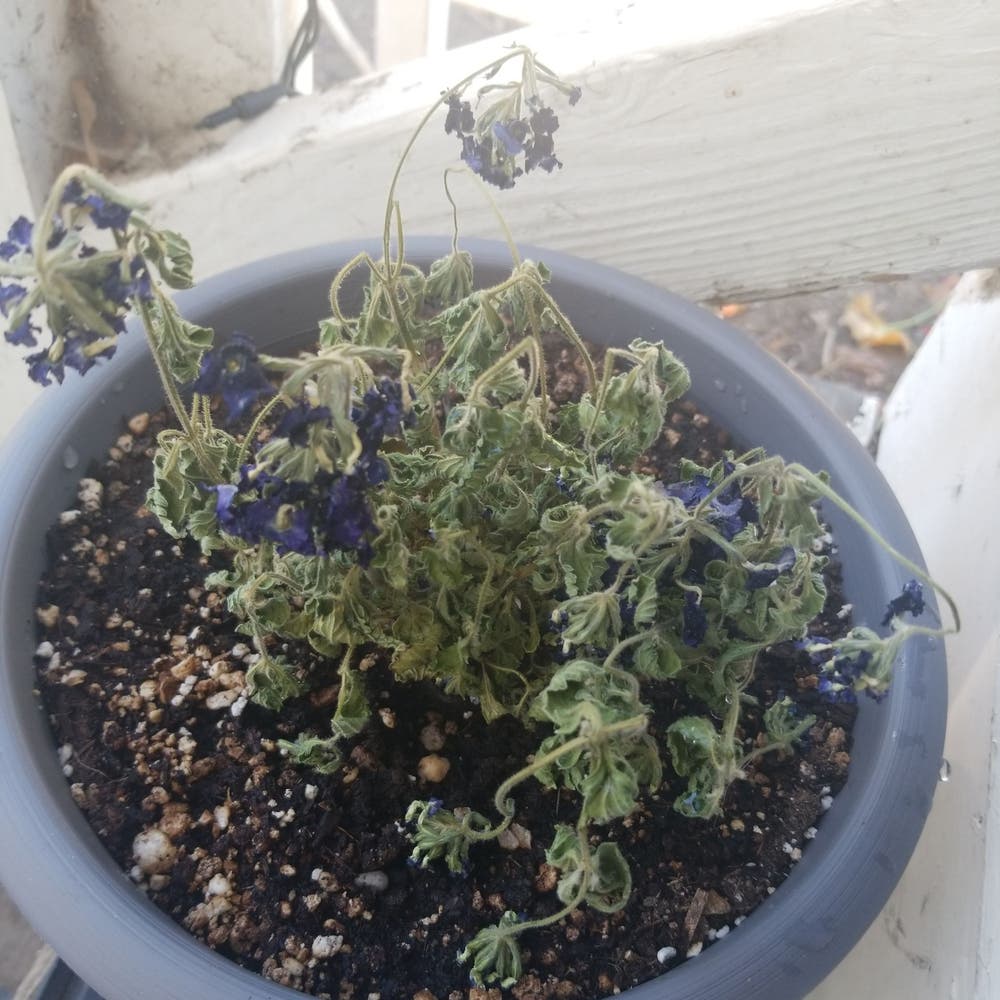
Overwatering is a common mistake that can lead to wilting leaves and soggy soil. When roots suffocate, the result is often a heartbreaking loss of flowers.
Pest Infestations
Pests like aphids and spider mites can be a nightmare for your plants. Look for distorted leaves or visible pests on flowers as signs of an infestation.
🛠️ Solutions
Identifying Stress Factors
Regularly monitor temperature and humidity levels to catch any issues early. Using mulch can help regulate soil temperature, providing a more stable environment for your plants.
Proper Watering Practices
Implement a consistent watering schedule to avoid overwatering. Make sure your pots have drainage holes to prevent waterlogging, which can suffocate roots.
Pest Control Methods
For pest infestations, consider using insecticidal soap or neem oil. You can also introduce beneficial insects like ladybugs, which can help keep harmful pests at bay.
By addressing these common causes and implementing effective solutions, you can help your lanai verbena thrive and enjoy a vibrant display of flowers. Next, let’s explore abnormal flower development and how to tackle that issue effectively.
Abnormal Flower Development
🌱 Causes
Genetic Factors
Some hybrids of lanai verbena may have inherent issues that affect their flowering. You might notice irregular flower shapes or colors, which can be a telltale sign of genetic predispositions.
Nutrient Imbalances
Excess nitrogen can lead to lush foliage but poor flowering. If your flowers appear small or misshapen, nutrient imbalances could be the culprit.
Disease
Common diseases like powdery mildew and root rot can wreak havoc on your plants. Look for discolored leaves and wilting flowers as symptoms of these issues.
🛠️ Solutions
Soil Testing
Conducting soil tests is essential to determine nutrient levels and pH. Based on the results, you can adjust soil amendments to create a healthier environment for your plants.
Balanced Fertilization
Using fertilizers with balanced NPK ratios can help restore nutrient balance. Consider applying slow-release fertilizers to maintain consistent nutrient levels over time.
Disease Management Strategies
Immediate removal of infected plant parts is crucial for disease control. Additionally, applying fungicides as needed and improving air circulation can help prevent future outbreaks.
By addressing these factors, you can encourage healthier flower development and enjoy a more vibrant display in your garden. Next, let’s explore effective pruning techniques that can further enhance flowering in your lanai verbena.
Pruning Techniques for Better Flowering
🌱 When to Prune
Timing is crucial for optimal flowering in lanai verbena. Prune your plants in early spring, just before new growth begins, to set the stage for a vibrant bloom season.
Regularly removing spent flowers is also essential. This practice encourages the plant to focus its energy on producing new blooms rather than wasting resources on fading flowers.
🔧 Solutions
Recognizing when pruning is needed can significantly enhance your plant's health.
Look for signs of overgrown plants, which can lead to reduced airflow and light penetration.
Additionally, check for dead or damaged stems, as these can negatively impact the overall vitality of your lanai verbena.
By staying attentive to these indicators, you can ensure your plants thrive and produce beautiful flowers.
With proper pruning techniques, your lanai verbena will not only bloom more profusely but also maintain a healthier structure.
Next, let’s explore how environmental stressors can affect flowering and what you can do to mitigate their impact.
Environmental Stressors
🌤️ Weather Conditions
Temperature extremes can significantly impact the flowering of lanai verbena. High temperatures often lead to wilting and premature bud drop, while low temperatures can stunt growth and reduce flower production.
🌡️ Effects of Temperature Extremes on Flowering
When the mercury rises too high, your plants may struggle. Signs of heat stress include wilting leaves and fewer blooms, which can be disheartening for any gardener.
Conversely, chilly conditions can halt growth altogether. If temperatures dip too low, you might notice stunted plants and a lack of vibrant flowers.
🛠️ Solutions
Managing environmental stressors is crucial for healthy flowering. Start by addressing humidity and wind exposure to create a more stable environment for your plants.
Use Windbreaks: Protect your lanai verbena from strong winds by installing windbreaks. This simple measure can help maintain a more favorable microclimate.
Increase Humidity: Consider using misting techniques or pebble trays filled with water. These methods can boost humidity levels, making your plants feel more at home.
By taking these steps, you can help your lanai verbena thrive despite the challenges posed by weather conditions. With a little care, you’ll be rewarded with a stunning display of blooms.
Next, let’s explore pruning techniques that can further enhance flowering.
⚠️ Safety First
This content is for general information and may contain errors, omissions, or outdated details. It is not medical, veterinary advice, or an endorsement of therapeutic claims.
Always consult a qualified healthcare professional before using any plant as food, medicine, or supplement.
Never eat any plant (or feed one to pets) without confirming its identity with at least two trusted sources.
If you suspect poisoning, call Poison Control (800) 222-1222, the Pet Poison Helpline (800) 213-6680, or your local emergency service immediately.
Spotted an error? Please report it here.
Keep your Lanai verbena blooming brilliantly 🌼 by using Greg's tailored watering reminders and nutrient tracking to tackle common flowering issues with ease!