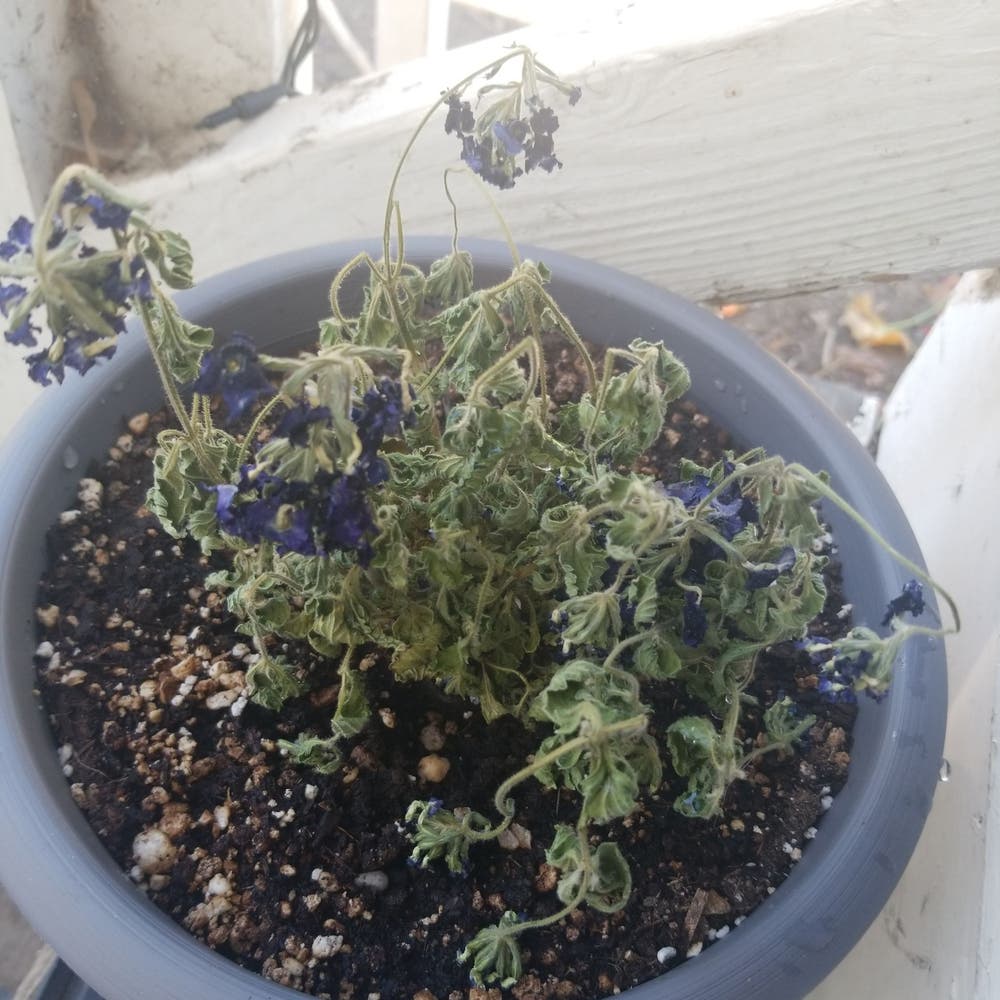
How to Cure Root Rot in Your Lanai Verbena 🩹
Verbena 'Lanai'
By the Greg Editorial Team
Oct 15, 2024•5 min read
This article was created with the help of AI so we can cover more plants for you. May contain errors. See one? Report it here.
Revive your Lanai Verbena and prevent root rot with these essential diagnosis and care tips! 🌱
- 🌱 Early diagnosis of root rot is vital for saving your Lanai Verbena.
- 💧 Overwatering causes root rot; keep soil slightly moist, not soggy.
- 🔍 Inspect roots regularly; healthy roots should be white and firm.
Diagnosing Root Rot
👀 Visual Signs to Look For
Identifying root rot early can save your Lanai Verbena. Start by observing the leaves; yellowing or browning edges are often the first indicators of distress.
Next, check for stunted growth. If your plant's leaves and flowers are smaller than usual, it may be struggling. Wilting is another telltale sign, especially if the leaves droop despite adequate soil moisture.
💧 Soil Testing for Moisture Levels
Soil moisture is crucial in diagnosing root rot. Use a moisture meter or your finger to check the soil; it should feel slightly moist but never soggy.
Aim for ideal moisture levels to keep your plant thriving. Remember, overwatering is a common culprit in root rot cases.
🔍 Root Examination Techniques
To get to the root of the problem—literally—carefully remove the plant from its pot. Handle it gently to minimize any damage to the roots.
Inspect the roots closely. Healthy roots should be white and firm, while signs of rot include soft, mushy, or blackened areas. If you spot these, it’s time to take action.
By diagnosing root rot early, you can implement effective treatment strategies. Next, let’s explore how to treat this pesky issue.
Treating Root Rot
Step-by-Step Treatment Process 🌱
Remove the plant from its pot: Gently handle the plant to minimize root damage. This initial step is crucial for assessing the extent of the rot.
Clean the roots: Rinse the roots under water to eliminate soil and debris. This helps you see the condition of the roots more clearly.
Trim affected roots: Cut away any black or mushy sections. Healthy roots should be white and firm, so focus on removing the damaged parts.
Disinfect tools: Use rubbing alcohol on your tools to prevent spreading pathogens. Clean tools are essential for a successful treatment.
Recommended Fungicides or Treatments 🧪
Organic options: Consider using neem oil or cinnamon powder as natural fungicides. These options are gentle yet effective for treating root rot.
Chemical treatments: Look for specific fungicides labeled for root rot. Always follow the instructions carefully to ensure safety and effectiveness.
Repotting Techniques for Affected Plants 🌍
Choosing a new pot: Ensure your new pot has adequate drainage holes. Proper drainage is vital to prevent future root rot.
Using fresh potting mix: Opt for a well-draining soil mix to promote healthy root growth. This will help avoid the conditions that lead to rot.
Watering after repotting: Lightly water the plant to settle the soil, but avoid saturation. This balance is key to helping your plant recover without risking more rot.
By following these steps, you can effectively treat root rot and give your Lanai Verbena a fighting chance. Next, let’s explore how to prevent root rot from occurring in the first place.
Preventing Root Rot
🌊 Best Practices for Watering Lanai Verbena
To keep your Lanai Verbena thriving, it's crucial to master your watering routine. Allow the top inch of soil to dry out between waterings; this simple practice helps prevent root rot.
Recognizing signs of overwatering is equally important. Look for yellowing leaves or a soggy soil surface, which indicate that it’s time to adjust your watering habits.
🕳️ Importance of Soil Drainage
Soil drainage plays a vital role in maintaining healthy roots. Selecting well-draining soil ensures that excess moisture can escape, preventing the conditions that lead to root rot.
Additionally, the choice of container matters. Always use pots with adequate drainage holes to facilitate proper water flow and aeration.
🌱 Choosing the Right Potting Mix
Opt for potting mixes that promote aeration and drainage. Blends containing perlite or vermiculite are excellent choices, as they help keep the soil light and fluffy.
Avoid heavy soils that can compact easily. These can suffocate roots and trap moisture, creating a perfect environment for root rot to develop.
By following these preventive measures, you can significantly reduce the risk of root rot in your Lanai Verbena. Next, let’s explore how to monitor your plant's health effectively.
Monitoring Plant Health
🕵️ Regular Checks for Root Rot Signs
To keep your Lanai Verbena thriving, conduct weekly inspections. Look closely at the leaves for discoloration and check the soil moisture to catch any issues early.
Seasonal changes can affect your plant's needs. Adjust your care routine based on temperature and humidity to ensure optimal growth.
🌦️ Adjusting Care Based on Seasonal Changes
In cooler months, reduce your watering frequency. This helps prevent overwatering, which is a common cause of root rot.
Fertilization also requires attention. Timing and the type of fertilizer can significantly impact your plant's health, so choose wisely.
☀️ Importance of Proper Sunlight Exposure
Your Lanai Verbena thrives in full sun, ideally receiving at least 6 hours of direct light daily. This exposure promotes robust growth and vibrant blooms.
Watch for signs of inadequate light, such as stretching or leggy growth patterns. These indicators suggest your plant may need a brighter spot to flourish.
By regularly monitoring your plant's health and adjusting care as needed, you can prevent root rot and ensure your Lanai Verbena remains vibrant and healthy. Next, let’s explore effective strategies for preventing root rot altogether.
⚠️ Safety First
This content is for general information and may contain errors, omissions, or outdated details. It is not medical, veterinary advice, or an endorsement of therapeutic claims.
Always consult a qualified healthcare professional before using any plant as food, medicine, or supplement.
Never eat any plant (or feed one to pets) without confirming its identity with at least two trusted sources.
If you suspect poisoning, call Poison Control (800) 222-1222, the Pet Poison Helpline (800) 213-6680, or your local emergency service immediately.
Spotted an error? Please report it here.
Revive your Lanai Verbena from root rot with early detection and Greg's tailored watering alerts, ensuring your plant stays vibrant and healthy! 🌿