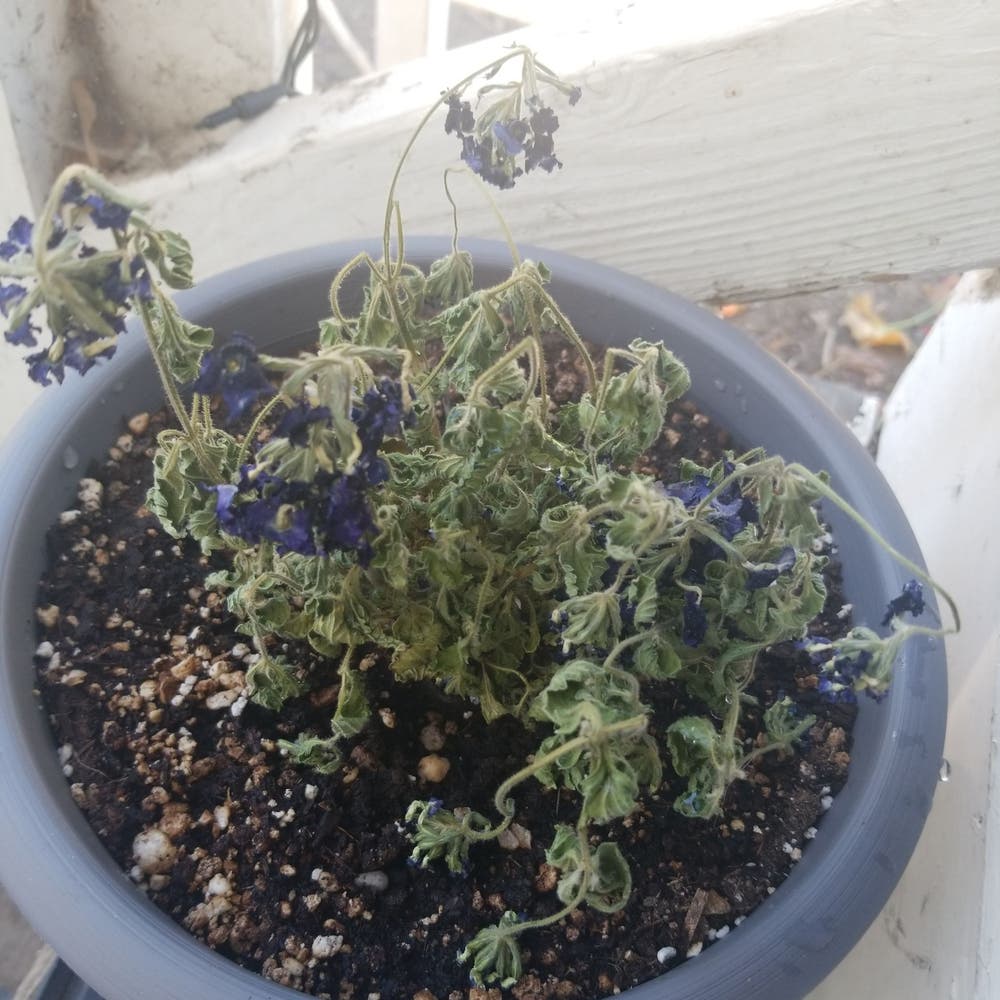
💧 Ultimate Guide to Fixing Droopy Leaves on Lanai Verbena
Verbena 'Lanai'
By the Greg Editorial Team
Oct 15, 2024•7 min read
This article was created with the help of AI so we can cover more plants for you. May contain errors. See one? Report it here.
Transform droopy lanai verbena into vibrant beauties 🌱 with these essential care tips for thriving plants!
- 💧 Overwatering and underwatering both cause droopy leaves; balance is key!
- 🌱 Soil quality and drainage are essential for healthy lanai verbena roots.
- 🌞 Provide 6-8 hours of sunlight daily to prevent stress and droopiness.
Causes of Droopy Leaves
💧 Overwatering and Its Effects
Overwatering is a common culprit behind droopy leaves. Symptoms include yellowing leaves, mushy stems, and root rot, which can severely impact your plant's health.
Poor drainage often leads to waterlogged roots, reducing oxygen availability. This lack of oxygen stresses the plant, causing it to droop.
🚰 Underwatering and Its Symptoms
On the flip side, underwatering can also result in droopy leaves. Look for dry, crispy leaves and wilting as key symptoms.
When a plant is stressed from lack of water, its leaves may curl inward and droop. Prolonged underwatering can stunt growth and even lead to the plant's death.
🌱 Soil Quality and Drainage Issues
Soil quality plays a crucial role in plant health. Well-drained soil is essential for healthy root systems, allowing roots to access necessary nutrients and oxygen.
Loamy or sandy soils with good aeration are recommended. To test drainage, simply water the soil and observe how quickly excess water drains away.
🌡️ Environmental Stress Factors
🌡️ Temperature
Temperature fluctuations can significantly affect your plant's health. The ideal range for lanai verbena is between 60°F to 80°F (15°C to 27°C).
Extreme temperatures, whether too hot or too cold, can stress the plant, leading to droopy leaves.
💨 Humidity
Humidity levels are equally important. Lanai verbena thrives in moderate to high humidity.
Low humidity can cause wilting and droopy leaves, making it essential to monitor your plant's environment.
🐛 Pest Infestations and Their Impact
Pest infestations can wreak havoc on your plants. Common pests include aphids, spider mites, and whiteflies.
Signs of infestation include sticky residue, webbing, or visible insects on leaves. These pests can deplete nutrients and stress the plant, contributing to droop.
Understanding these causes is the first step in addressing droopy leaves. Next, we'll explore how to diagnose the specific issues affecting your lanai verbena.
Diagnosing Droopy Leaves
🌊 Visual Signs of Overwatering
Overwatering can be a sneaky culprit behind droopy leaves. Look for soft, mushy leaves that feel almost waterlogged.
Inspect the roots as well; if they appear dark and slimy when you remove them from the soil, it’s a clear sign of root rot.
💧 Visual Signs of Underwatering
On the flip side, underwatering presents its own set of symptoms. You’ll notice dry, crispy edges on the leaves, often accompanied by wilting.
Check the soil too; if it’s dry and cracked on the surface, your plant is likely thirsty.
🐛 Identifying Pest Damage
Pests can wreak havoc on your lanai verbena, leading to droopy leaves. Look for holes, discoloration, or sticky residue on the leaves.
If you spot visible insects or webbing, it’s time to take action against these unwelcome guests.
🍂 Recognizing Nutrient Deficiency Symptoms
Nutrient deficiencies can also cause droopiness. Watch for yellowing or browning at the leaf tips, which indicates a lack of essential nutrients.
Additionally, if your plant is growing stunted or appears leggy, it may be struggling to get the nutrients it needs.
🌡️ Environmental Stress Indicators
Environmental factors can stress your plant, leading to droopy leaves. Sudden temperature fluctuations can be particularly harmful.
Low humidity levels can also contribute to wilting, so keep an eye on your plant's environment to ensure it stays healthy.
Understanding these signs is crucial for diagnosing the issues affecting your lanai verbena. Once you identify the problem, you can move on to implementing effective solutions for recovery.
Solutions for Droopy Leaves
🌊 Adjusting Watering Practices
Establishing a consistent watering schedule is crucial. Water your lanai verbena when the top inch of soil feels dry to the touch.
To ensure proper moisture levels, use the finger test. Simply insert your finger into the soil to check if it needs watering.
Avoid watering at night. This helps prevent fungal issues that can arise from excess moisture sitting on the leaves overnight.
🕳️ Improving Soil Drainage
Soil drainage is vital for healthy plants. Incorporate perlite or sand into your soil mix to enhance drainage capabilities.
Choose containers wisely. Always opt for pots with drainage holes to prevent water accumulation, which can lead to root rot.
🌱 Fertilization Tips for Healthy Growth
Fertilization plays a key role in plant health. Use a balanced NPK fertilizer, like 10-10-10, during the growing season.
Apply fertilizer every 4-6 weeks, following the package instructions for best results. This will help your lanai verbena thrive.
🐛 Pest Management Strategies
Regular inspections are essential for pest control. Check your plants weekly for any signs of pests.
If you spot an infestation, treatment options include insecticidal soap or neem oil. These are effective solutions to keep your plants healthy.
☀️ Environmental Adjustments
Light is a critical factor for plant health. Ensure your lanai verbena receives 6-8 hours of direct sunlight daily.
Temperature control is also important. Move your plants indoors during extreme weather to protect them from stress.
By implementing these solutions, you can effectively address droopy leaves and promote a healthier, more vibrant lanai verbena. Next, let’s explore how to prevent droopy leaves from occurring in the first place.
Preventing Droopy Leaves
🌊 Best Practices for Watering
To keep your Lanai Verbena thriving, adopt a deep watering technique. This encourages robust root growth and ensures your plant gets the moisture it needs.
Adjust your watering frequency with the seasons. During cooler months, reduce how often you water to prevent over-saturation.
🌱 Soil Selection and Preparation
Choosing the right soil mix is crucial for healthy plants. Combine potting soil with perlite to enhance aeration and drainage.
Before planting, conduct pre-planting checks. Ensure your soil drains well to avoid waterlogged roots, which can lead to droopy leaves.
🐛 Regular Monitoring for Pests
Make it a habit to inspect your plants weekly. Look for signs of pests or disease that could stress your Lanai Verbena.
If you spot any infestations, act quickly. Early intervention can save your plant from significant damage.
🍂 Seasonal Care Tips to Maintain Health
Spring is the perfect time to fertilize and prune your plants. This promotes new growth and keeps your Lanai Verbena looking its best.
As fall approaches, prepare your plant for dormancy. Reduce watering to align with the plant's natural cycle.
☀️ Importance of Proper Sunlight Exposure
Ensure your Lanai Verbena receives adequate sunlight. Aim for 6-8 hours of direct sunlight daily to prevent stress and droop.
If your plant isn't getting enough light, consider adjusting its location. Moving pots to sunnier spots can make a significant difference in their health.
By following these preventive measures, you can maintain the vitality of your Lanai Verbena and keep those leaves perky. Next, let’s explore post-recovery care to ensure your plant continues to thrive after addressing droop issues.
Post-Recovery Care
Signs of Recovery 🌱
After addressing droopy leaves, look for signs of recovery in your lanai verbena. Healthy leaves will feel firm and regain their vibrant color, indicating that the plant is bouncing back.
New growth is another positive sign. Watch for fresh leaves emerging, which shows that your plant is thriving again.
Continued Care After Droop Resolution 💧
To ensure your plant stays healthy, maintain a consistent watering schedule. This helps keep moisture levels stable, preventing future droop.
Regularly monitor for pests as well. Keeping an eye out for any signs of infestation will help you catch issues early.
Monitoring for Recurring Issues 📓
Keeping a journal can be a game-changer. Track your watering, fertilization, and pest management efforts to identify patterns and make informed adjustments.
Be responsive to changes in your plant's health. If you notice any signs of stress, tweak your care routine accordingly.
Long-Term Health Strategies 🌿
Regular fertilization is key to maintaining nutrient levels. A balanced approach will support optimal growth and resilience.
Don’t forget about seasonal adjustments. Adapt your care practices based on the changing seasons to keep your lanai verbena thriving year-round.
By following these post-recovery care tips, you can help your lanai verbena flourish and prevent future droop. Next, let’s explore best practices for preventing droopy leaves in the first place.
⚠️ Safety First
This content is for general information and may contain errors, omissions, or outdated details. It is not medical, veterinary advice, or an endorsement of therapeutic claims.
Always consult a qualified healthcare professional before using any plant as food, medicine, or supplement.
Never eat any plant (or feed one to pets) without confirming its identity with at least two trusted sources.
If you suspect poisoning, call Poison Control (800) 222-1222, the Pet Poison Helpline (800) 213-6680, or your local emergency service immediately.
Spotted an error? Please report it here.
Keep your lanai verbena perky and vibrant 🌼 by using Greg's tailored watering reminders and pest alerts to ensure it thrives without droopy leaves!