💧 Humidity Needs for Your Lanai Verbena
Verbena 'Lanai'
By the Greg Editorial Team
Oct 15, 2024•5 min read
This article was created with the help of AI so we can cover more plants for you. May contain errors. See one? Report it here.
Unlock vibrant blooms for your Lanai Verbena by mastering humidity levels! 🌱🌧️
- 🌱 Maintain 50%-70% humidity for vibrant blooms and healthy Lanai Verbena growth.
- 🌬️ Low humidity causes wilting and increased pest vulnerability; monitor conditions closely.
- 🌧️ Excess humidity leads to fungal diseases; ensure good air circulation and avoid overwatering.
Ideal Humidity Levels
Optimal Humidity Range 🌧️
For your Lanai Verbena to thrive, aim for a relative humidity of 50% to 70%. This sweet spot is crucial for vibrant blooms and lush foliage.
Maintaining this humidity range not only enhances the plant's appearance but also supports its overall health. A well-hydrated plant is more resilient and visually appealing.
Humidity and Plant Health 🌱
Humidity plays a vital role in photosynthesis and nutrient uptake. When humidity levels are optimal, your plant can efficiently absorb water and nutrients, leading to robust growth.
Conversely, inadequate humidity can lead to stress-related issues. This includes wilting and an increased risk of fungal diseases, which can compromise your plant's vitality.
Understanding these dynamics helps you create the ideal environment for your Lanai Verbena, ensuring it flourishes beautifully.
As you consider humidity levels, keep in mind how they directly impact your plant's health and appearance. This knowledge sets the stage for effective care and management strategies.
Effects of Low Humidity
Symptoms 🌿
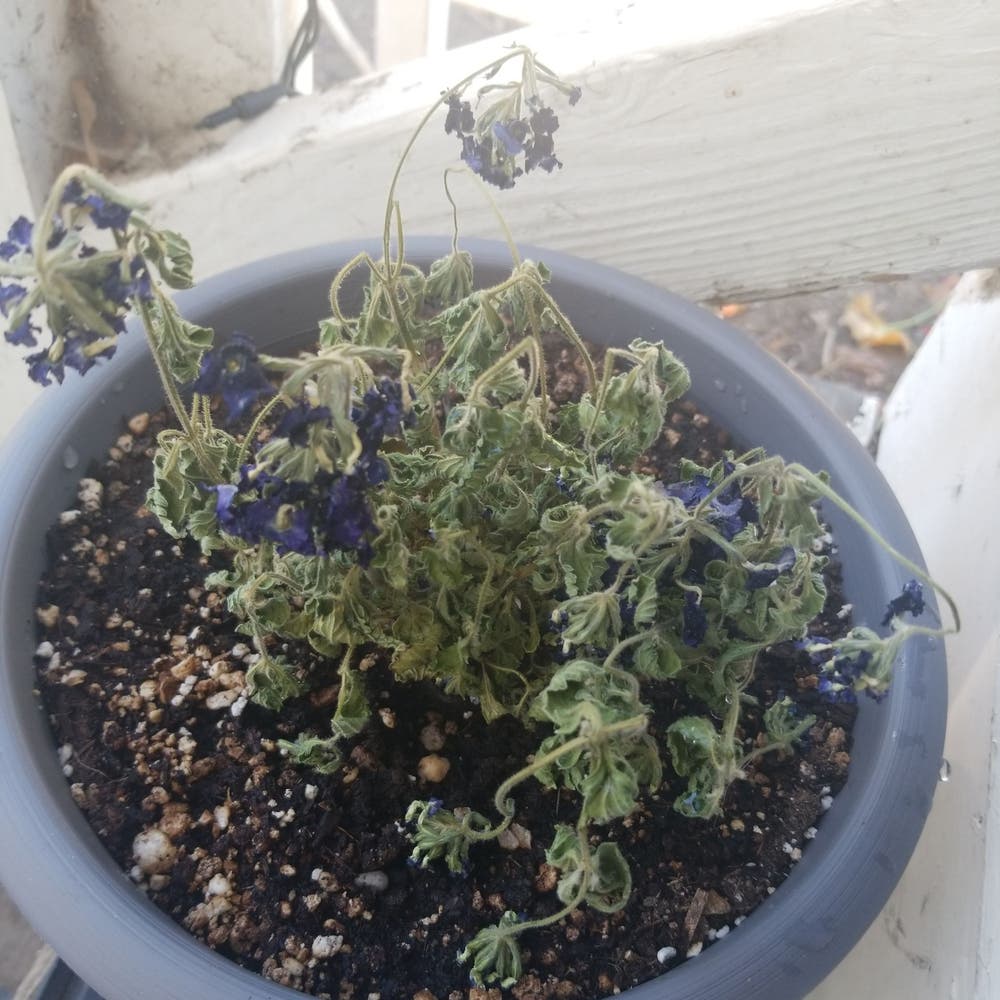
Low humidity can wreak havoc on your Lanai Verbena. One of the first signs is wilting leaves, which indicate water loss and stress.
Another common symptom is leaf drop. When your plant struggles to maintain moisture, it sheds leaves to conserve resources.
Increased Vulnerability 🦠
In addition to these visible symptoms, low humidity increases susceptibility to pests and diseases. A stressed plant is an easy target for unwanted invaders.
Long-term Consequences ⏳
If low humidity persists, the long-term consequences can be severe. You may notice stunted growth and reduced flowering, which can be disheartening for any gardener.
Moreover, erratic watering patterns can lead to root rot. This condition can silently undermine your plant's health, making it crucial to monitor humidity levels closely.
Understanding these effects can help you take proactive steps to maintain the ideal environment for your Lanai Verbena. Next, we’ll explore the impacts of high humidity and how it can also affect your plant's health.
Effects of High Humidity
Symptoms 🌧️
High humidity can lead to several distressing symptoms in your Lanai Verbena. Fungal diseases, like powdery mildew and root rot, thrive in moist conditions, putting your plants at risk.
Another telltale sign of excessive humidity is leaf yellowing. This often indicates overwatering or poor air circulation, both of which can compromise your plant's health.
Long-term Consequences 📉
If high humidity persists, you may notice a decline in your plant's overall health and vigor. Stagnant air can create an environment ripe for pests, increasing the likelihood of infestations.
To keep your Lanai Verbena thriving, it's crucial to monitor humidity levels closely. Addressing these issues early can help maintain a vibrant and healthy garden.
Local Humidity Considerations
🌧️ Assessing Local Levels
Understanding your local humidity is crucial for nurturing your Lanai Verbena. Tools like hygrometers and weather apps can help you monitor humidity levels effectively.
Knowing your local climate allows you to tailor your plant care strategies. This knowledge ensures your plants thrive in their specific environment.
🍂 Seasonal Variations
Humidity levels can change dramatically with the seasons, impacting your Lanai Verbena's health. In summer, higher humidity can lead to fungal issues, while winter's dryness may cause stress.
Adjusting your care routine is essential during these fluctuations. For instance, increase watering during dry spells and ensure good air circulation in humid months to keep your plants happy and healthy.
Strategies for Managing Humidity
🌧️ Boosting Humidity
Using Humidifiers
When it comes to boosting humidity for your Lanai Verbena, humidifiers can be a game-changer. You have two main types: cool mist and warm mist.
Cool mist humidifiers are great for adding moisture without raising the temperature, while warm mist models can help create a cozy environment.
For optimal effectiveness, place your humidifier near the plants but not directly on them. Regular maintenance is key; clean your humidifier frequently to prevent mold and bacteria buildup.
Grouping Plants Together
Another effective strategy is grouping your plants. This creates a microclimate that can significantly boost humidity levels.
Aim for a spacing of about 6 to 12 inches between plants to allow for air circulation while still retaining moisture. This arrangement not only helps your Lanai Verbena thrive but also adds a lush aesthetic to your space.
🌬️ Reducing Humidity
Proper Air Circulation
On the flip side, managing high humidity is just as crucial. Proper air circulation is essential for preventing fungal diseases that can harm your plants.
Ensure there’s enough airflow around your Lanai Verbena by spacing them appropriately and using fans if necessary. This will help keep the air moving and reduce the risk of stagnant conditions.
Avoiding Overwatering
Overwatering is a common pitfall that can lead to increased humidity and other issues. Look for signs like yellowing leaves or a soggy soil surface, which indicate that your plant is getting too much water.
To maintain balance, water your Lanai Verbena only when the top inch of soil feels dry. This simple practice can help you avoid the detrimental effects of excess moisture.
By implementing these strategies, you can create the perfect humidity conditions for your Lanai Verbena, ensuring vibrant blooms and robust health. Next, let’s explore how local humidity levels can impact your plant care.
⚠️ Safety First
This content is for general information and may contain errors, omissions, or outdated details. It is not medical, veterinary advice, or an endorsement of therapeutic claims.
Always consult a qualified healthcare professional before using any plant as food, medicine, or supplement.
Never eat any plant (or feed one to pets) without confirming its identity with at least two trusted sources.
If you suspect poisoning, call Poison Control (800) 222-1222, the Pet Poison Helpline (800) 213-6680, or your local emergency service immediately.
Spotted an error? Please report it here.
Keep your Lanai Verbena thriving 🌿 by managing humidity levels with Greg's tailored reminders and monitoring tools, ensuring your garden bursts with vibrant blooms and lush foliage!