🔍 Ultimate Guide to What's Eating Your Lady Slipper
Paphiopedilum barbatum
By the Greg Editorial Team
Oct 04, 2024•7 min read
This article was created with the help of AI so we can cover more plants for you. May contain errors. See one? Report it here.
Safeguard your beautiful Lady Slipper orchids 🌸 from hungry herbivores with these vital protection strategies!
- 🌸 Lady Slipper orchids attract herbivores, making them vulnerable to wildlife interactions.
- 🦌 Deer and rabbits are major threats; use repellents and fencing for protection.
- 🌱 Regular monitoring and preventive measures ensure the health of your Lady Slippers.
Description and Appeal
Appearance 🌸
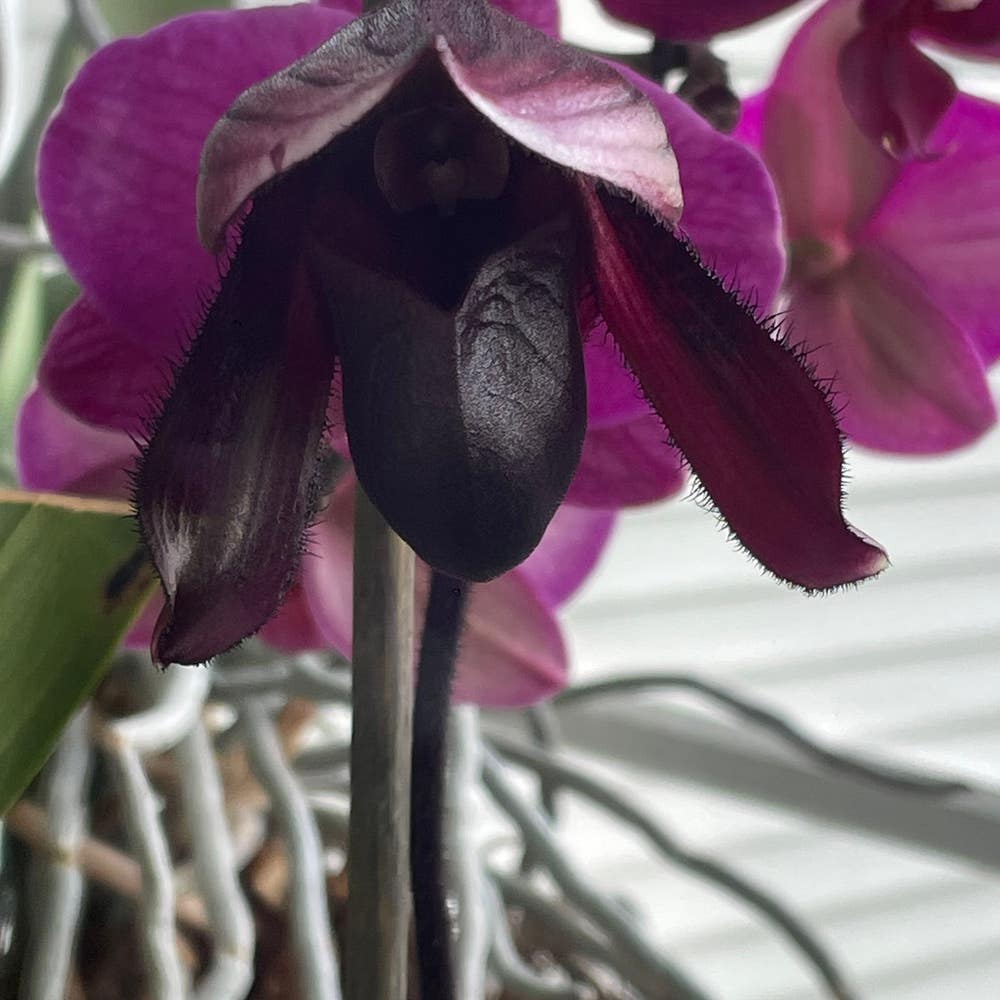
Lady Slipper orchids are truly a sight to behold. Their unique slipper-shaped flowers come in a stunning array of colors, ranging from soft pinks to vibrant yellows, depending on the species.
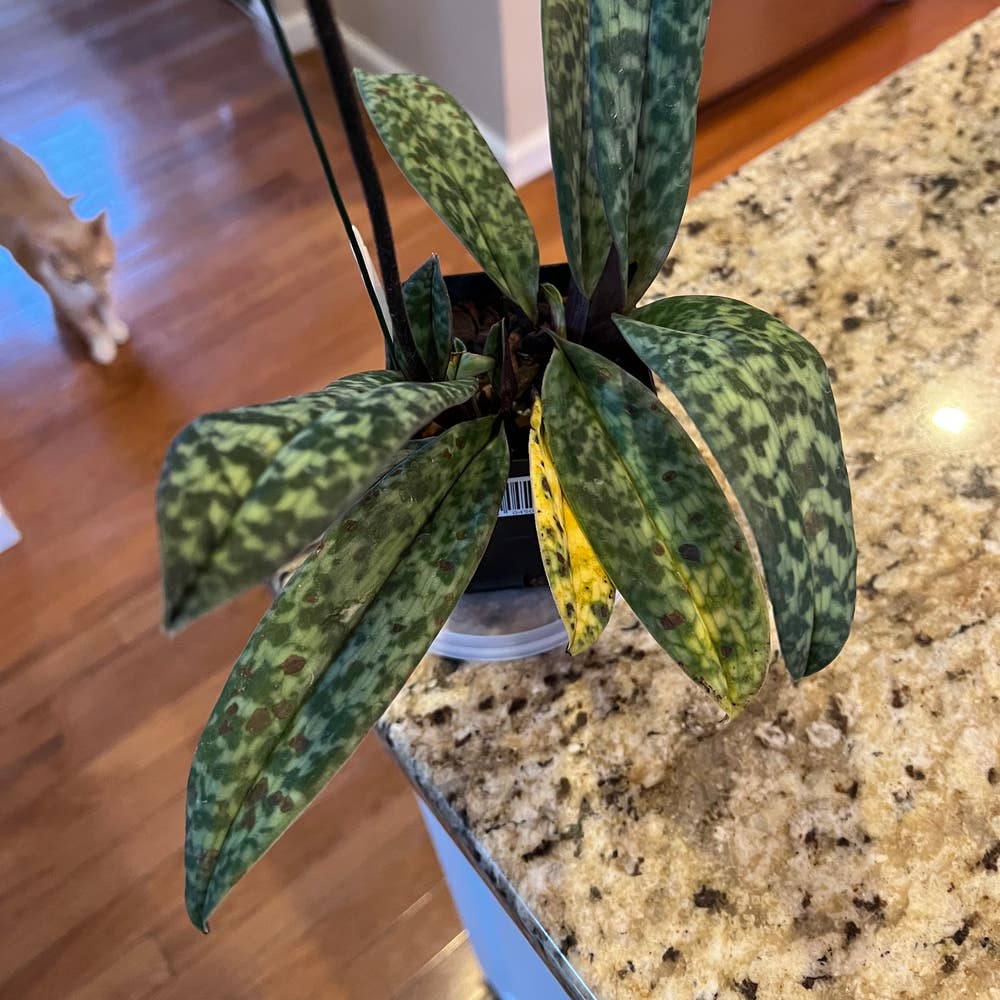
The leaves of these plants are equally captivating. They feature broad, pleated structures that grow in a rosette pattern, creating a lush backdrop for the striking flowers.
Growth Habit 🌱
Typically, Lady Slippers thrive in clusters, making them a delightful addition to moist, shaded woodlands. Their preference for these environments not only enhances their beauty but also supports the local ecosystem.
Most Appealing Parts to Animals 🐾
The flowers of the Lady Slipper are particularly alluring. Their bright colors and fragrant scents attract a variety of herbivores, eager to indulge in their beauty.
Fruits, or seed pods, also catch the eye of birds and small mammals. These nutrient-rich offerings can be a tempting snack for wildlife.
Young shoots are another prime target for herbivores. Tender and nutritious, they provide a delicious treat that many animals can't resist.
In summary, the Lady Slipper's vibrant flowers, appealing fruits, and tender shoots make it a magnet for various herbivores. Understanding these attractive features helps in managing interactions with wildlife, ensuring the plant's health and longevity.
Next, we’ll explore the common herbivores that pose a threat to these beautiful orchids.
Common Herbivores
🦌 Deer
Signs and Damage
Deer are notorious for leaving distinctive hoof prints in the soil. They often browse on Lady Slipper plants, stripping leaves and flowers, which can lead to significant damage.
Interaction
Their presence is generally harmful, as unchecked deer populations can decimate Lady Slipper plants. Effective management is crucial to protect these delicate flowers.
Deterrent Methods (difficulty: moderate)
To deter deer, consider using commercial deer repellents. Alternatively, planting deer-resistant species nearby or using scent deterrents like human hair or soap can be effective organic solutions.
🐇 Rabbits
Signs and Damage
Rabbits leave small, round droppings near the plants and create clean cuts on stems and leaves. Their feeding habits can severely damage young Lady Slipper plants.
Interaction
Like deer, rabbits are generally harmful to these plants. Their voracious appetite can stunt growth and reduce flowering.
Deterrent Methods (difficulty: easy)
Bitter-tasting sprays can help keep rabbits at bay. Additionally, erecting fencing at least 2 feet high or using repellents like cayenne pepper can provide effective organic protection.
🐿️ Squirrels
Signs and Damage
Squirrels often leave chewed stems, indicating they’ve been nibbling on flowers and shoots. You might also find signs of nests nearby in trees.
Interaction
Squirrels can be generally harmful, causing significant damage to Lady Slipper plants. Their playful antics can quickly turn destructive.
Deterrent Methods (difficulty: moderate)
Commercial squirrel repellents are available for those looking for chemical solutions. For a more organic approach, scare tactics like reflective tape or noise makers can be effective.
🐦 Birds
Signs and Damage
Look for small peck marks on flowers or seed pods as signs of bird activity. Nesting nearby can also indicate that birds are attracted to your Lady Slippers.
Interaction
Birds have a mixed impact; while some may help pollinate, others can damage flowers. Understanding this balance is key to managing their presence.
Deterrent Methods (difficulty: easy)
Typically, no chemical deterrents are used for birds. Instead, netting can protect flowers during peak feeding times, ensuring they remain intact.
🐭 Rodents
Signs and Damage
Rodents create small burrows near the plant base and leave gnaw marks on roots and lower stems. Their activity can undermine the health of Lady Slipper plants.
Interaction
Rodents are generally harmful, as they can significantly affect plant health. Their burrowing habits can disrupt root systems.
Deterrent Methods (difficulty: hard)
For chemical solutions, consider using rodent bait stations. Organic methods include trapping and introducing natural predators like cats or owls to the area.
🦡 Groundhogs
Signs and Damage
Groundhogs leave large burrows, creating distinctive holes in the ground. Their grazing can lead to significant damage to foliage and stems.
Interaction
Groundhogs are generally harmful and can completely destroy Lady Slipper plants if left unchecked. Their appetite for greens is insatiable.
Deterrent Methods (difficulty: hard)
Commercial repellents can deter groundhogs, but organic methods are often more sustainable. Fencing at least 3 feet high and planting deterrent species can help keep them away.
Understanding these common herbivores and their interactions with Lady Slipper plants is essential for effective management. By employing the right deterrent methods, you can protect these beautiful flowers and ensure their thriving presence in your garden.
Next, let’s explore the beneficial animals that play a crucial role in the ecosystem surrounding Lady Slippers.
Beneficial Animals
Description 🐝
Pollinators like bees and butterflies play a crucial role in the reproduction of Lady Slipper orchids. Their tireless work ensures these unique flowers can thrive and produce seeds.
Mycorrhizal fungi form symbiotic relationships with the roots of Lady Slippers. This partnership enhances nutrient uptake, helping the plants grow stronger and healthier.
Positive Ecosystem Impacts 🌍
Increased biodiversity is a significant benefit of attracting these beneficial animals. A variety of species supports a balanced ecosystem, creating a thriving environment for all.
Natural pest control is another advantage. Beneficial insects can manage harmful pests, reducing the need for chemical interventions and promoting a healthier garden.
Understanding the roles of these beneficial animals is essential for fostering a vibrant ecosystem. By encouraging their presence, you can help your Lady Slippers flourish while maintaining ecological balance.
As we explore the next section, consider how to protect these plants from potential threats while nurturing the beneficial relationships that support them.
Protection Strategies
🛡️ Preventive Measures
To protect your Lady Slipper, consider planting them in areas that are less accessible to herbivores. This simple strategy can significantly reduce the risk of damage.
Companion planting is another effective method. By choosing plants that deter herbivores, you create a natural barrier around your precious flowers.
⚠️ Reactive Solutions
Regular monitoring is crucial for maintaining plant health. Keep an eye out for any signs of damage or distress in your Lady Slipper.
When you notice issues, act immediately. Implementing deterrents right away can prevent further harm and help your plants thrive.
🌱 Balancing Ecosystem
Understanding the roles of herbivores in your garden is essential. Some interactions can actually benefit your ecosystem, so it's important to recognize these dynamics.
Creating habitats that provide shelter for beneficial animals can also help. By fostering a balanced environment, you can deter harmful species while supporting those that contribute positively to your garden.
With these strategies in place, you can enjoy the beauty of your Lady Slipper while minimizing the risks posed by herbivores. Next, let’s explore seasonal considerations that affect these plants.
Seasonal Considerations
Variations in Attraction 🦋
As spring rolls in, the world awakens. Animals emerge from hibernation, and their activity levels spike, making this a crucial time for your Lady Slipper.
By summer, feeding frenzy peaks. Many herbivores are on the hunt for tender shoots and vibrant flowers, putting your plants at risk.
Timing of Vulnerability ⏰
Young shoots are particularly vulnerable in early spring. This is when they’re at their most tender and nutritious, making them prime targets for hungry herbivores.
During the flowering period, protection becomes critical. Birds and insects are drawn to the blooms, so vigilance is essential to safeguard your plants.
Understanding these seasonal dynamics can help you better protect your Lady Slipper. With the right strategies, you can enjoy their beauty while minimizing damage from hungry visitors.
Toxicity and Safety
Toxic Effects 🌿
Lady Slipper orchids possess mild toxicity, which can act as a deterrent for some herbivores. However, this isn't a foolproof defense; certain animals may still munch on them, leading to potential gastrointestinal upset if consumed in large quantities.
Implications for Interactions 🦌
Understanding the toxicity of Lady Slippers is crucial for managing interactions with wildlife. This knowledge helps gardeners and plant enthusiasts anticipate which animals might be attracted to or deterred by these unique flowers, allowing for better protection strategies.
As you cultivate your Lady Slipper, keep in mind the delicate balance of nature. While some herbivores may be kept at bay, others might still see these orchids as a tempting treat.
⚠️ Safety First
This content is for general information and may contain errors, omissions, or outdated details. It is not medical, veterinary advice, or an endorsement of therapeutic claims.
Always consult a qualified healthcare professional before using any plant as food, medicine, or supplement.
Never eat any plant (or feed one to pets) without confirming its identity with at least two trusted sources.
If you suspect poisoning, call Poison Control (800) 222-1222, the Pet Poison Helpline (800) 213-6680, or your local emergency service immediately.
Spotted an error? Please report it here.
Safeguard your gorgeous Lady Slipper orchids 🌷 from wildlife with Greg's personalized care reminders and expert tips, ensuring they flourish beautifully in your garden!