🌸 How to Fix Droopy Leaves on Your Lady Slipper
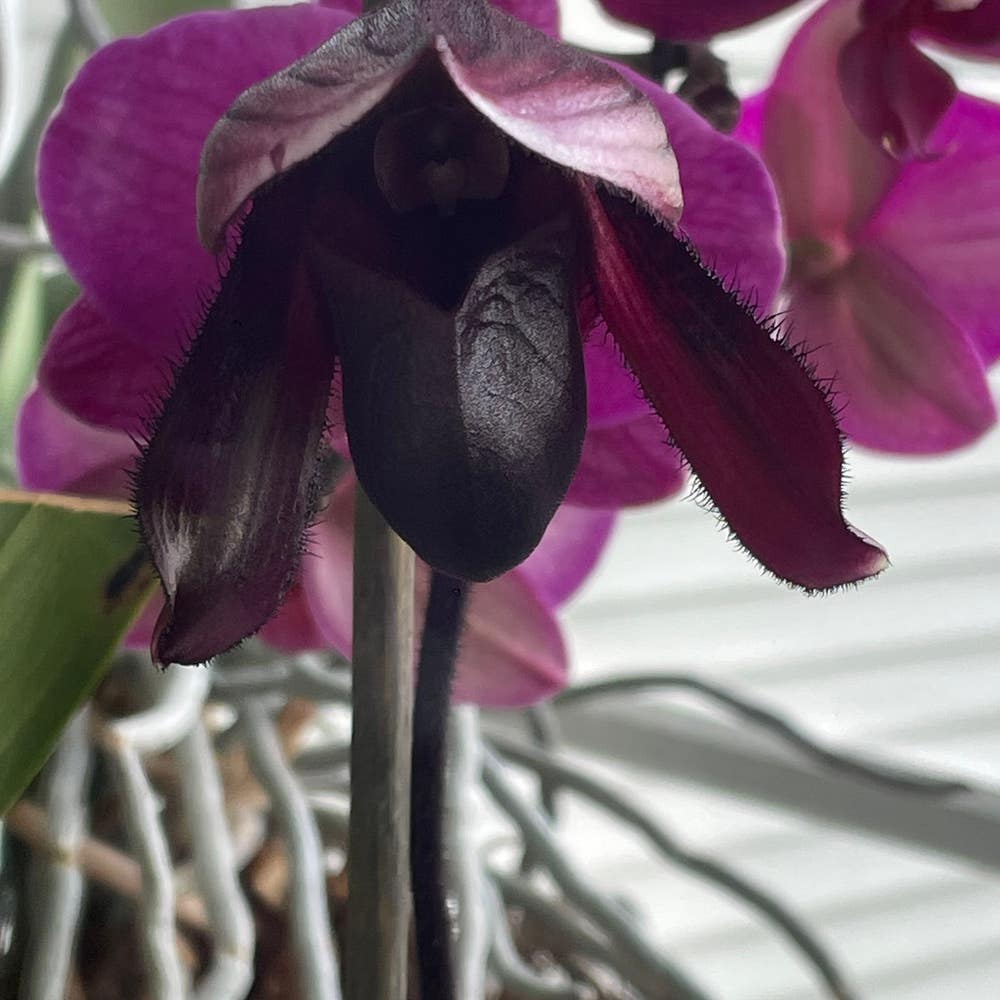
Paphiopedilum barbatum
By the Greg Editorial Team
Oct 04, 2024•5 min read
This article was created with the help of AI so we can cover more plants for you. May contain errors. See one? Report it here.
Restore your droopy Lady Slipper 🌺 with quick fixes to revive its health and beauty today!
- 🌱 Droopy leaves indicate overwatering, underwatering, or environmental stress. Identify the cause!
- 💧 Check soil moisture regularly to prevent root rot and dry, crispy leaves.
- 🌞 Lady Slippers thrive in bright, indirect light; adjust exposure for optimal growth.
Common Causes of Droopy Leaves
Droopy leaves on your Lady Slipper can be a sign of various underlying issues. Understanding these causes is crucial for restoring your plant's health.
💧 Overwatering
One of the most common culprits is overwatering. When the roots sit in waterlogged soil, they can rot, leading to droopy leaves that signal distress.
🚰 Underwatering
On the flip side, underwatering can also cause leaves to wilt. If the soil is too dry, your plant won't get the moisture it needs to thrive.
🌪️ Environmental Stress
Sudden changes in temperature or humidity can stress your Lady Slipper. This environmental fluctuation can lead to droopy leaves as the plant struggles to adapt.
🐜 Pest Infestations
Pests like aphids or spider mites can sap the energy from your plant. Their presence can result in droopy leaves, as the plant fights to survive.
🥦 Nutrient Deficiencies
A lack of essential nutrients can weaken your Lady Slipper. If the plant isn't getting what it needs, droopy leaves may be the first sign of trouble.
Recognizing these common causes is the first step toward a healthier plant. Next, we'll explore how to accurately diagnose the problem to implement effective solutions.
Diagnosing the Problem
Accurate diagnosis is crucial for effectively fixing droopy leaves on your Lady Slipper. Identifying the underlying issue will guide you toward the right solutions.
🌊 Signs of Overwatering vs. Underwatering
Overwatering Indicators
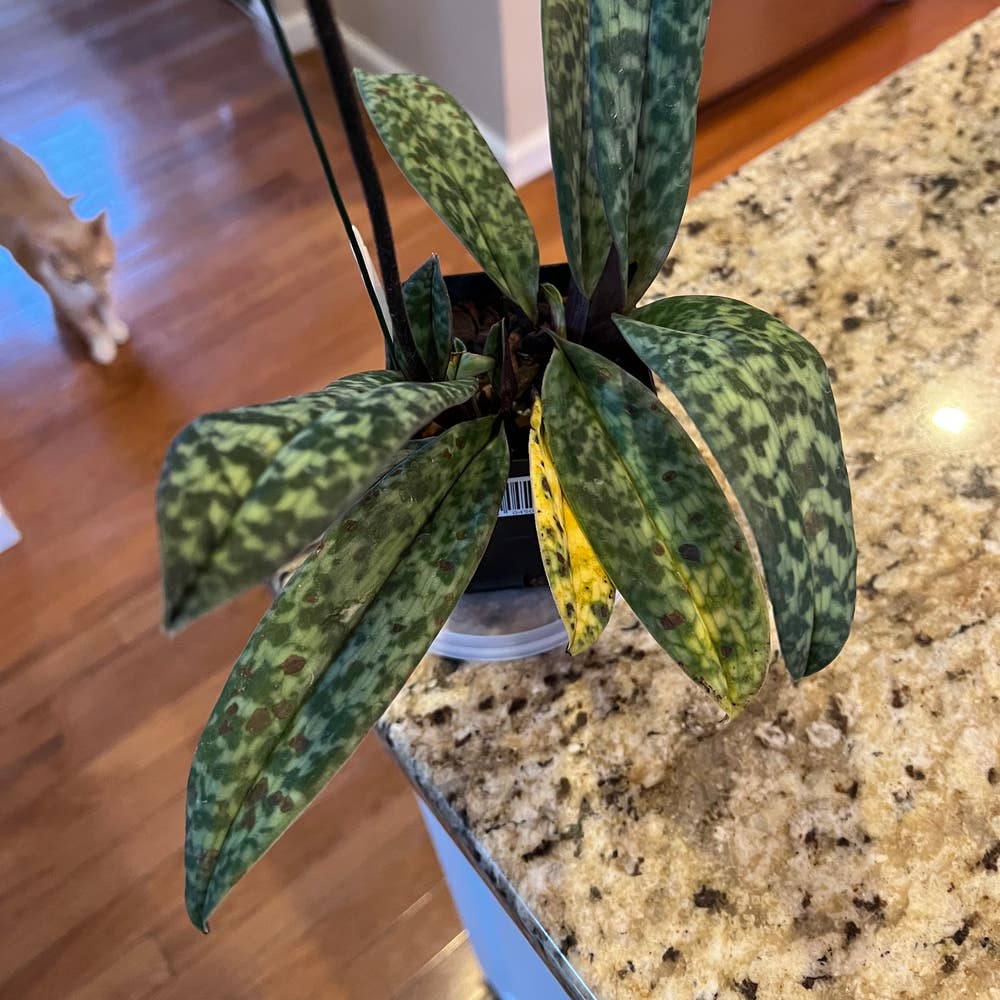
Look for yellowing leaves, mushy roots, and a foul smell emanating from the soil. These signs suggest that your plant is drowning.
Underwatering Indicators
In contrast, dry, crispy leaves and shriveled roots indicate your Lady Slipper is thirsty. Both conditions can lead to droopy leaves, so knowing the difference is key.
🐞 Identifying Pest Infestations
Common Pests
Aphids, spider mites, and mealybugs are frequent culprits that can sap your plant's energy. Keeping an eye out for these pests can save your Lady Slipper.
Signs of Infestation
Look for sticky residue, webbing, or visible insects on the leaves. These signs can help you catch a pest problem before it escalates.
💡 Assessing Light Conditions
Optimal Light
Lady Slippers thrive in bright, indirect light. Ensuring they receive the right amount of light is essential for their health.
Signs of Inadequate Light
If you notice stretched leaves and slow growth, your plant may not be getting enough light.
Signs of Excessive Light
Conversely, scorched leaf tips and faded colors indicate too much direct sunlight. Adjusting light conditions can significantly improve your plant's vitality.
By diagnosing these issues accurately, you can take the necessary steps to restore your Lady Slipper's health. Next, let's explore effective solutions to address droopy leaves.
Solutions for Droopy Leaves
Restoring the health of your Lady Slipper requires effective solutions tailored to the specific issues causing droopy leaves. Here are some actionable steps to help your plant thrive again.
🌊 Adjusting Watering Practices
Check soil moisture: Use a moisture meter or your finger to gauge the soil's dampness. This simple test can prevent both overwatering and underwatering.
Watering frequency: Water your Lady Slipper when the top inch of soil feels dry. This ensures your plant receives adequate moisture without drowning its roots.
Drainage: Ensure your pots have adequate drainage holes. Proper drainage is crucial to prevent root rot, a common issue for droopy leaves.
🌫️ Increasing Humidity Levels
Humidifiers: Consider using a humidifier in the room where your Lady Slipper resides. Increased humidity can significantly benefit the plant's overall health.
Pebble trays: Place your pots on trays filled with water and pebbles. This creates a microenvironment that boosts humidity around the plant.
Grouping plants: Cluster your plants together. This not only enhances humidity but also fosters a supportive growing environment.
🌱 Fertilization Adjustments
Type of fertilizer: Opt for a balanced orchid fertilizer, such as a 30-10-10 mix. This provides essential nutrients that your Lady Slipper craves.
Fertilization schedule: Apply fertilizer every 4-6 weeks during the growing season. Consistent feeding helps your plant regain its vigor.
Dilution: Always dilute fertilizer to half strength. This prevents root burn and ensures your plant absorbs nutrients effectively.
By implementing these solutions, you can help your Lady Slipper bounce back from droopy leaves. Regular monitoring and adjustments will keep your plant healthy and vibrant.
👀 Transitioning to Monitoring Leaf Health
Once you've addressed the droopy leaves, it's essential to monitor your plant's health regularly. This proactive approach will help you catch any future issues early on.
Monitoring Leaf Health
Regular checks on your Lady Slipper's leaves are crucial for catching issues early. A little attention can go a long way in maintaining plant health.
👀 Regular Checks for Signs of Stress
Inspect your plant's leaves weekly for any signs of droop, discoloration, or pests. Keeping an eye on changes in growth patterns or leaf shape can help you spot problems before they escalate.
🔍 Importance of Leaf Inspection
Healthy leaves are a sign of a thriving plant, while droopy leaves indicate a need for intervention. Documenting any changes can help you identify recurring issues, making it easier to keep your Lady Slipper in top shape.
By staying vigilant and proactive, you can ensure your plant remains vibrant and healthy. Next, let’s explore effective solutions to restore your Lady Slipper's health.
⚠️ Safety First
This content is for general information and may contain errors, omissions, or outdated details. It is not medical, veterinary advice, or an endorsement of therapeutic claims.
Always consult a qualified healthcare professional before using any plant as food, medicine, or supplement.
Never eat any plant (or feed one to pets) without confirming its identity with at least two trusted sources.
If you suspect poisoning, call Poison Control (800) 222-1222, the Pet Poison Helpline (800) 213-6680, or your local emergency service immediately.
Spotted an error? Please report it here.
Revive your Lady Slipper's vitality 🌿 by using Greg's tailored care reminders to master watering and pest management for a thriving orchid!