🌸 Ultimate Guide to Lady Slipper Size
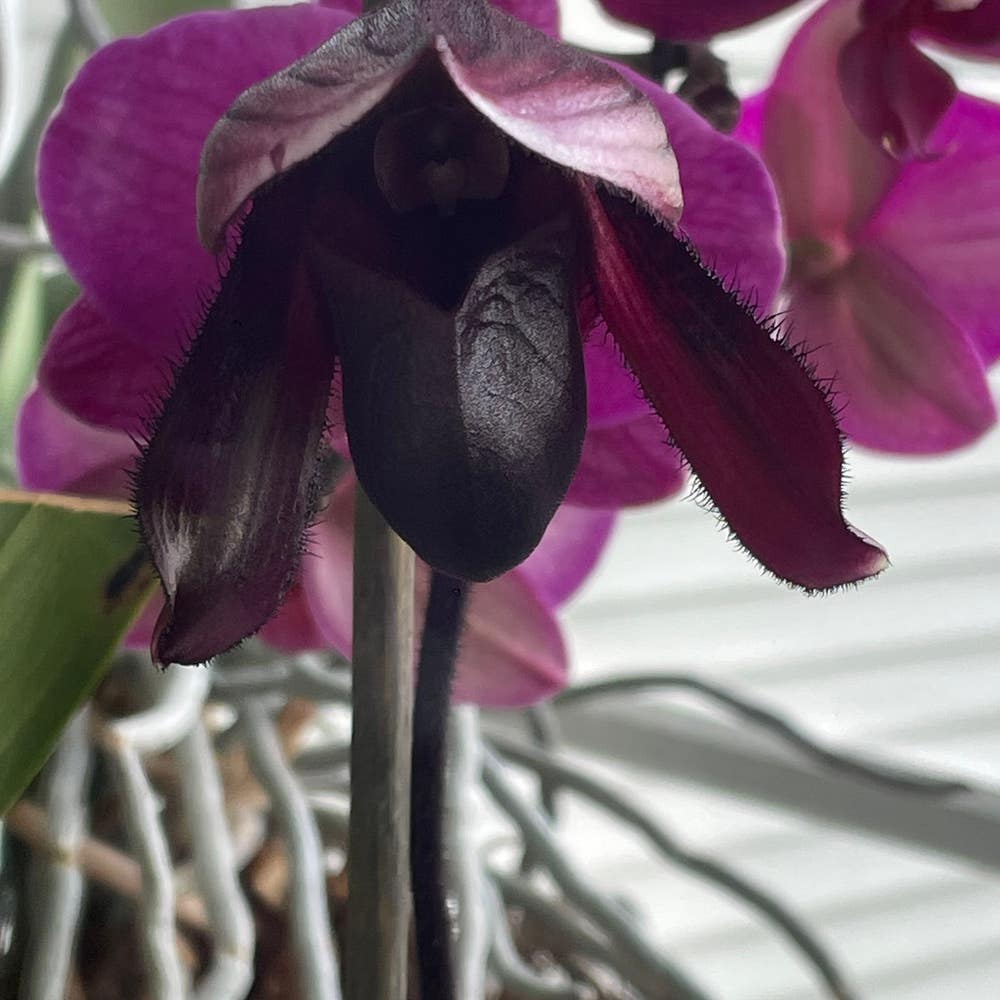
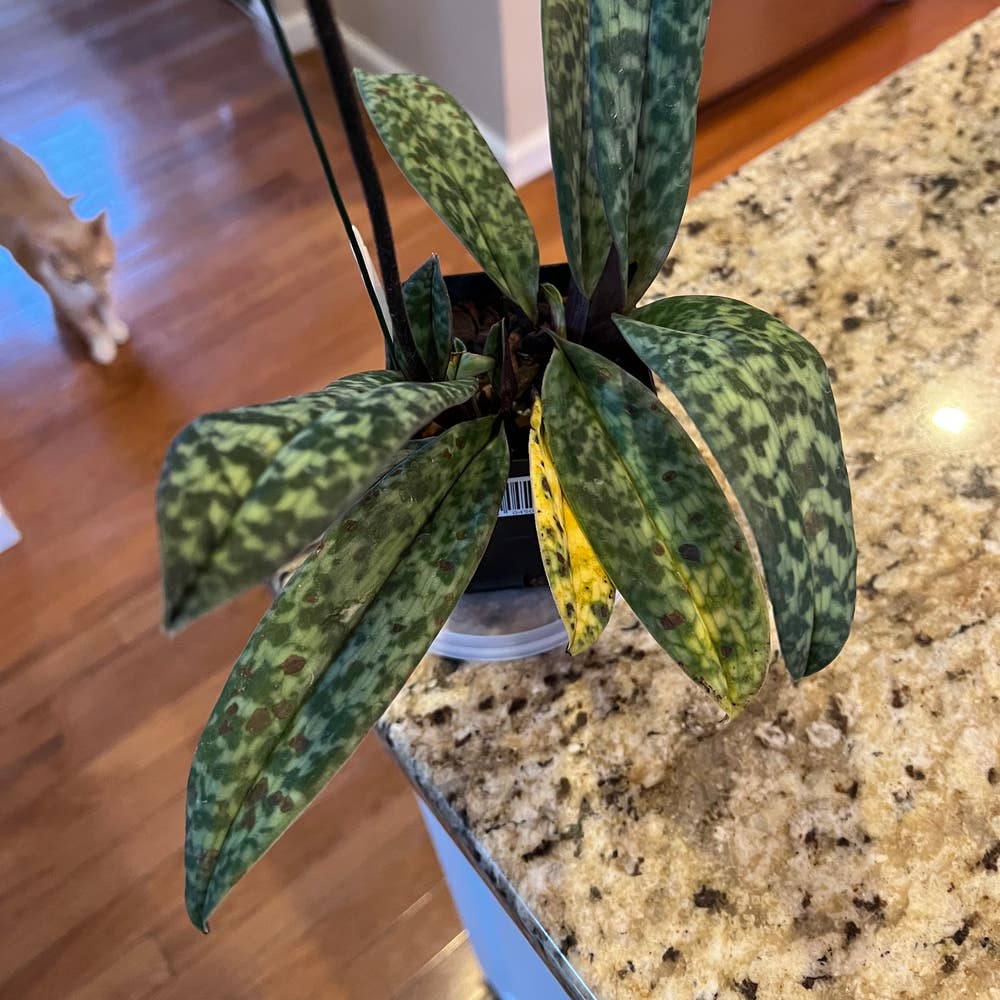
Paphiopedilum barbatum
By the Greg Editorial Team
Oct 04, 2024•5 min read
This article was created with the help of AI so we can cover more plants for you. May contain errors. See one? Report it here.
Elevate your garden with beautiful lady slippers 🌼 by mastering their growth dimensions and care tips for thriving blooms! 🌱
- 🌱 Lady slippers range from 6 to 24 inches tall, depending on the species.
- 🌿 Optimal conditions lead to 6-12 inches of growth per year for lady slippers.
- 🌼 Choose species wisely to enhance garden aesthetics and manage size effectively.
Mature Height and Spread
Typical Dimensions 🌱
Lady slippers are fascinating orchids, with mature heights ranging from 6 to 24 inches, depending on the species. Their spread generally falls between 12 to 18 inches, though this can vary based on growing conditions.
Growth Habits 🌼
As perennial orchids, lady slippers often form clumps, which can significantly contribute to their overall size. The size of the flowers also varies among species, impacting how we perceive the plant's size in the garden.
Understanding these dimensions helps in planning your garden layout and selecting the right species for your space. With the right care, these beautiful orchids can thrive and add a unique touch to your landscape.
Next, let’s explore how growth rates and time to reach full size can influence your gardening experience.
Growth Rate and Time to Reach Full Size
🌱 Growth Rate
Lady slippers have a moderate growth rate, typically reaching 6-12 inches per year under optimal conditions. This steady growth allows them to establish themselves well in their environment.
⏳ Time to Maturity
Most lady slipper species take about 3-5 years to reach their full size. However, several factors can influence this timeline, including soil quality, light exposure, and watering practices.
📈 Factors Influencing Growth Rate
- Soil Quality: Rich, well-draining soil is essential for robust growth.
- Light Exposure: Adequate light, preferably partial to full shade, supports healthy development.
- Watering Practices: Consistent moisture is crucial; both overwatering and drought can hinder growth.
Understanding these elements can help you cultivate thriving lady slippers in your garden. With the right care, these beautiful orchids can flourish and bring joy for years to come.
Next, we’ll explore how size can vary among different species and cultivars, providing insights into selecting the perfect type for your landscape.
Size Variability Among Species and Cultivars
Species-Specific Size Differences 🌱
Lady slippers come in a variety of sizes, showcasing significant differences in height and spread among species. Some dwarf varieties typically reach heights of just 6-12 inches, making them perfect for smaller gardens or containers.
On the other end of the spectrum, giant varieties can exceed 24 inches in height, creating a striking presence in any landscape. This diversity allows gardeners to choose the right species based on their space and aesthetic preferences.
Cultivar Variability 🌼
When it comes to cultivars, each one has its own unique mature dimensions. For instance, the Cypripedium reginae can reach impressive heights, while others may remain more compact.
Selecting the right species is crucial for achieving the desired size in landscaping. Understanding these differences not only enhances your garden's visual appeal but also ensures that your plants thrive in their designated space.
As you explore the world of lady slippers, consider how these size variations can complement your gardening goals. With the right choices, you can create a stunning display that captures attention and admiration.
Influence of Growing Conditions on Size
🌱 Impact of Soil Type on Growth Dimensions
Soil type plays a crucial role in the growth of lady slippers. Well-draining soil rich in organic matter promotes optimal growth, allowing roots to thrive.
Maintaining a slightly acidic to neutral pH (around 6.0-7.0) enhances nutrient availability, which is vital for healthy development.
☀️ Effects of Light Exposure on Size
Light exposure significantly affects the size of lady slippers. These orchids prefer partial to full shade; too much sunlight can stunt their growth and lead to smaller plants.
Conversely, insufficient light can result in fewer flowers, diminishing the overall beauty of your garden.
💧 Watering Practices and Their Influence on Growth
Watering frequency is essential for lady slipper health. Consistent moisture is key, but be cautious—overwatering can lead to root rot, which can be detrimental.
On the other hand, drought conditions can stunt growth and reduce flowering size. Striking the right balance is crucial for thriving plants.
Understanding these growing conditions will empower you to create the perfect environment for your lady slippers, ensuring they flourish beautifully. Next, we’ll explore how to control their size effectively.
Controlling Size
✂️ Pruning Techniques for Size Management
Pruning is essential for managing the size of your lady slippers. The best time to prune is late winter or early spring, just before new growth begins.
Removing dead or damaged leaves not only tidies up the plant but also encourages healthier growth. This simple act can significantly impact the overall size and appearance of your orchids.
📏 Other Methods to Control Growth
Another effective way to control size is by adjusting pot size. Using smaller pots can restrict growth, helping you maintain a more compact plant.
Soil amendments also play a crucial role. By tweaking the soil composition, you can influence both the growth rate and dimensions of your lady slippers.
Understanding these techniques allows you to cultivate the perfect-sized orchids for your garden or indoor space. With the right care, you can enjoy these beautiful plants without them overwhelming your landscape.
Next, let’s explore how growing conditions can further influence the size of your lady slippers.
⚠️ Safety First
This content is for general information and may contain errors, omissions, or outdated details. It is not medical, veterinary advice, or an endorsement of therapeutic claims.
Always consult a qualified healthcare professional before using any plant as food, medicine, or supplement.
Never eat any plant (or feed one to pets) without confirming its identity with at least two trusted sources.
If you suspect poisoning, call Poison Control (800) 222-1222, the Pet Poison Helpline (800) 213-6680, or your local emergency service immediately.
Spotted an error? Please report it here.
Unlock the full potential of your lady slippers 🌺 with Greg's tailored care tips and watering reminders, ensuring your orchids thrive in any garden setting!