👡 How to Cure Root Rot in Your Lady Slipper
Paphiopedilum barbatum
By the Greg Editorial Team
Oct 04, 2024•5 min read
This article was created with the help of AI so we can cover more plants for you. May contain errors. See one? Report it here.
Save your Lady Slipper from root rot and ensure vibrant growth with these essential care tips! 🌿
- 🌱 Identify root rot early by checking for yellowing leaves and wilting.
- ✂️ Trim rotting roots with sterilized scissors to promote healthy growth.
- 🌿 Repot in well-draining mix and monitor moisture to prevent future issues.
Identifying Root Rot Symptoms
👀 Visual Signs of Root Rot
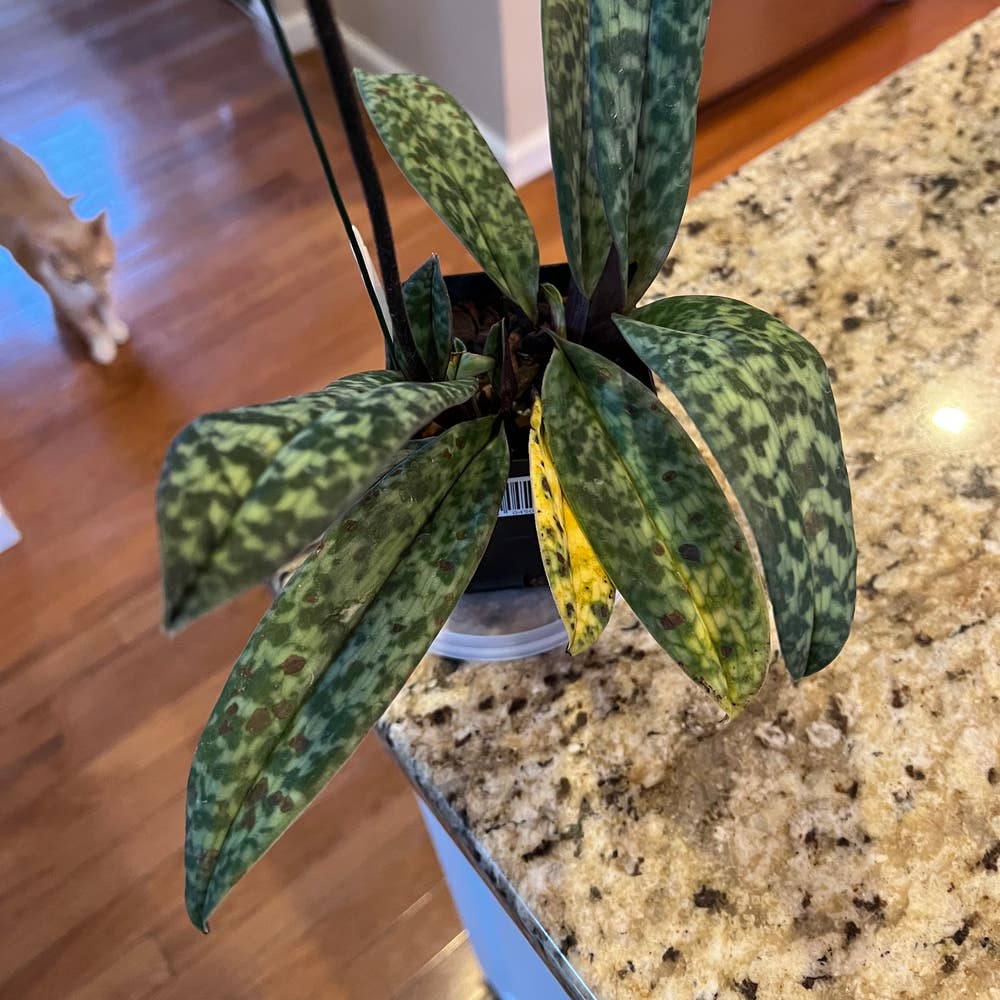
Recognizing root rot early can save your Lady Slipper from serious damage. Look out for yellowing leaves, which often signal nutrient deficiencies or stress.
Wilting or drooping leaves indicate a loss of turgor pressure due to root damage. If you notice dark, mushy roots, that's a clear sign of rot and decay.
🔍 How to Check Root Health
To assess root health, gently remove the plant from its pot. This allows you to inspect the roots directly.
Healthy roots should be firm and white. If they feel soft or look discolored, it’s time to take action.
⚖️ Distinguishing Between Healthy and Rotting Roots
Healthy roots are typically firm with a white or greenish color. They should feel robust and resilient.
In contrast, rotting roots appear dark brown or black and have a mushy texture. Identifying these differences is crucial for effective treatment.
By understanding these symptoms and root health indicators, you can take proactive steps to ensure your Lady Slipper thrives. Next, let’s explore how to treat root rot effectively.
Treating Root Rot
🛠️ Step-by-Step Guide to Treatment
Treating root rot can feel daunting, but following these steps will help you revive your Lady Slipper.
- Remove the plant from its pot: Gently take your plant out, being careful not to damage the roots.
- Clean the roots: Rinse them under lukewarm water to wash away any old potting mix.
- Trim away rotting roots: Use sterilized scissors to cut back any mushy or dark roots until you reach healthy tissue.
- Apply fungicide: Treat the remaining roots with an appropriate fungicide to combat any lingering fungal issues.
- Repot in fresh, well-draining potting mix: Choose a mix that allows for good drainage to prevent future rot.
🧴 Recommended Treatments and Products
Using the right products can make a significant difference in your plant's recovery.
- Fungicides: Look for specific products designed to tackle fungal infections effectively.
- Root stimulants: After treatment, consider using root stimulants to encourage healthy growth.
🧼 Importance of Sterilization in Treatment
Sterilization is crucial in preventing further issues.
- Preventing further infection: Always use sterilized tools and materials to avoid introducing new pathogens.
- Maintaining overall plant health: This practice reduces the risk of recurring problems, ensuring your Lady Slipper thrives.
By following these steps and recommendations, you can help your Lady Slipper bounce back from root rot. Next, let’s explore how to prevent root rot in the future, ensuring your plant remains healthy and vibrant.
Preventing Root Rot
💧 Best Practices for Watering
Watering your Lady Slipper correctly is crucial for preventing root rot. Allow the substrate to dry slightly between waterings to ensure roots breathe and avoid excess moisture.
Recognizing signs of overwatering is equally important. If you notice yellowing leaves or a soggy potting mix, it’s time to adjust your watering habits.
🌱 Choosing the Right Potting Mix
Using a well-draining, acidic substrate is essential for healthy root development. A mix that includes bark, perlite, and sphagnum moss in appropriate ratios will provide the right balance of moisture retention and drainage.
This combination not only supports root health but also mimics the natural environment of Lady Slippers. Aim for a mix that allows excess water to escape while still holding enough moisture for the plant's needs.
🌤️ Ideal Environmental Conditions
Humidity plays a significant role in preventing root rot. Maintain humidity levels between 50-70% to create a thriving atmosphere for your Lady Slipper.
Additionally, providing bright, indirect light is key. This light condition promotes healthy growth while minimizing stress on the roots, helping to keep them strong and resilient.
By following these preventive measures, you can significantly reduce the risk of root rot and ensure your Lady Slipper flourishes. Next, let’s explore how to effectively treat root rot if it does occur.
Repotting After Root Rot
When to Repot 🌱
Timing is crucial when repotting a Lady Slipper after root rot. Wait until you see signs of recovery, like new growth or healthier leaves, before making the move.
Frequency is also important. Generally, repot every 1-2 years, or whenever the plant outgrows its pot, to ensure it has enough space to thrive.
How to Properly Repot 🛠️
- Select an appropriate pot: Choose one with drainage holes to prevent water accumulation.
- Prepare fresh potting mix: Use a mix that is airy and well-draining to support healthy root growth.
- Position the plant: Place it at the same depth as before, ensuring it’s stable in its new home.
Post-repotting Care 🌿
Adjust your watering schedule based on the new potting mix. It’s essential to monitor the moisture levels closely, especially right after repotting.
Keep an eye out for signs of stress, such as leaf drop or wilting. These indicators can help you tweak your care routine to ensure your Lady Slipper continues to flourish.
With proper care and attention, your plant will bounce back beautifully. Next, let’s explore how to prevent root rot in the first place.
⚠️ Safety First
This content is for general information and may contain errors, omissions, or outdated details. It is not medical, veterinary advice, or an endorsement of therapeutic claims.
Always consult a qualified healthcare professional before using any plant as food, medicine, or supplement.
Never eat any plant (or feed one to pets) without confirming its identity with at least two trusted sources.
If you suspect poisoning, call Poison Control (800) 222-1222, the Pet Poison Helpline (800) 213-6680, or your local emergency service immediately.
Spotted an error? Please report it here.
Revive your Lady Slipper from root rot with early detection 🔍 and let Greg guide you with tailored watering alerts and expert tips for a thriving plant!