Natural Predators of Lady Slipper Bugs 🐞
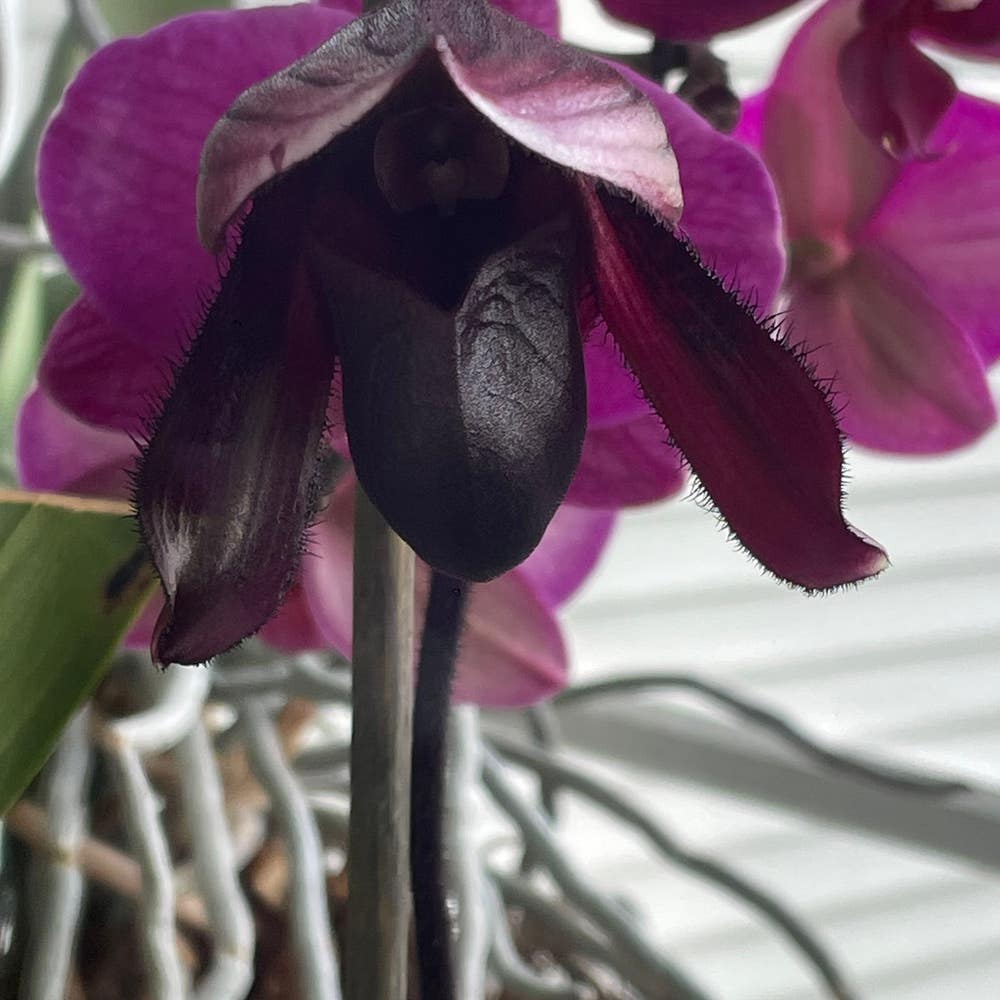
Paphiopedilum barbatum
By the Greg Editorial Team
Oct 04, 2024•7 min read
This article was created with the help of AI so we can cover more plants for you. May contain errors. See one? Report it here.
Empower your garden with essential pest management tips to keep your Lady Slippers thriving! 🌱✨
- 🌱 Lady Slipper plants resist pests, reducing the need for constant intervention.
- 🐞 Natural predators like ladybugs effectively manage aphid populations on Lady Slippers.
- 🔍 Regular inspections catch pests early, preventing severe damage to your plants.
Common Pests
🕷️ Spider Mites
Identification
Spider mites are tiny pests, often appearing as red or green specks on leaves. Look for fine webbing on the undersides of leaves, which is a telltale sign of their presence.
Damage Caused
These mites can cause significant damage, leading to yellowing leaves, stippling, and even leaf drop. If left unchecked, they can severely weaken your plants.
Treatment Options
For chemical control, consider using miticides or insecticidal soap. On the organic side, neem oil, increasing humidity, and introducing predatory mites can effectively manage spider mite populations.
🐢 Scale Insects
Identification
Scale insects manifest as small, waxy bumps on stems and leaves. You might notice sticky leaves due to honeydew secretion, which is another indicator of their presence.
Damage Caused
These pests can lead to yellowing leaves, stunted growth, and potential dieback of your plants. Their feeding habits can severely impact overall plant health.
Treatment Options
Systemic insecticides are effective for chemical control. For organic methods, try rubbing alcohol on affected areas or insecticidal soap to eliminate these pests.
🐛 Mealybugs
Identification
Mealybugs are easily recognized by their white, cottony masses on stems and leaf joints. They also produce honeydew, which can lead to sooty mold on leaves.
Damage Caused
These pests can cause wilting, yellowing, and leaf drop. Their feeding can weaken your plants significantly over time.
Treatment Options
Chemical treatments include insecticides specifically targeting soft-bodied insects. For organic solutions, manual removal, neem oil, and introducing natural predators can help keep mealybug populations in check.
🐜 Aphids
Identification
Aphids are small, green or black insects often found on new growth. Look for curling leaves and sticky residue as signs of their presence.
Damage Caused
These pests can stunt growth, distort leaves, and even transmit viruses. Their rapid reproduction can quickly lead to larger infestations.
Treatment Options
Insecticidal sprays are a common chemical solution. For organic options, water sprays, insecticidal soap, and introducing ladybugs as natural predators can effectively manage aphid populations.
🦋 Whiteflies
Identification
Whiteflies are tiny, moth-like insects that congregate on the undersides of leaves. Yellowing leaves and honeydew accumulation are common signs of their infestation.
Damage Caused
These pests weaken plants and reduce photosynthesis, leading to overall decline. Their presence can be detrimental to plant health.
Treatment Options
Insecticides specifically designed for whiteflies can be effective. Alternatively, yellow sticky traps, insecticidal soap, and introducing parasitic wasps can provide organic control.
🐞 Weevils
Identification
Weevils are small, elongated beetles characterized by their snouts. Look for holes in leaves and potential root damage as signs of their activity.
Damage Caused
They can cause significant leaf damage and weaken root systems, impacting plant vitality. Their feeding habits can lead to serious health issues for your plants.
Treatment Options
Targeted insecticides are effective for chemical control. For organic methods, handpicking, beneficial nematodes, and diatomaceous earth can help manage weevil populations.
🦠 Other Pests
Identification
Keep an eye out for any unique pests that may affect Lady Slipper plants. Identifying these pests early can prevent larger infestations.
Damage Caused
Symptoms may vary, but potential impacts on plant health can be severe. Early detection is key to maintaining plant vitality.
Treatment Options
Utilize both chemical and organic methods tailored to specific pests for effective management. A proactive approach will help keep your plants healthy and thriving.
Understanding these common pests and their management options is crucial for maintaining the health of your Lady Slipper plants. Next, we’ll explore pest resistance and how certain traits can help your plants fend off these invaders.
Pest Resistance
🌱 Natural Resistance
Lady Slipper plants possess some fascinating inherent resistance traits that help them fend off pests. Their robust structure and unique chemical compositions make them less appealing to certain insects.
Some pests, like spider mites and mealybugs, tend to avoid Lady Slippers. This natural resistance can save gardeners time and effort, allowing them to focus on nurturing their plants rather than constantly battling infestations.
Understanding these resistance traits is crucial for effective pest management. By recognizing which pests are less likely to affect Lady Slippers, you can tailor your care routine to maximize plant health and resilience.
🐞 Specific Pests Less Likely to Affect Lady Slipper
While no plant is entirely pest-proof, Lady Slippers are generally less susceptible to a few common pests. For instance, scale insects and whiteflies often find it challenging to thrive on these hardy plants.
This resistance not only helps maintain the plant's vigor but also contributes to a healthier garden ecosystem. By choosing to cultivate Lady Slippers, you’re opting for a plant that can withstand some of nature's challenges with grace.
Incorporating these insights into your gardening practices can lead to a more resilient landscape. With a solid understanding of pest resistance, you can confidently nurture your Lady Slippers and enjoy their beauty for years to come.
Next, let’s explore effective prevention strategies to keep your Lady Slippers thriving.
Prevention
🛡️ Preventative Measures
Maintaining the health of your Lady Slipper plants is crucial. Start by ensuring they receive adequate sunlight, water, and nutrients, as a healthy plant is less susceptible to pests.
Biodiversity in your garden is equally important. By planting a variety of species, you create a balanced ecosystem that can naturally deter pests.
🧼 Plant Hygiene Tips
Regular cleaning is essential for keeping your plants thriving. Wipe down leaves to remove dust and potential pests, and don’t forget to clean the surrounding areas.
Removing debris and dead plant material helps prevent pest infestations. This simple step can significantly reduce hiding spots for unwanted visitors.
🔍 Regular Inspection Routines
Establish a routine for inspecting your plants. Aim for weekly checks to catch any issues early, as prevention is always better than cure.
During inspections, look for signs of distress such as discoloration, wilting, or unusual spots. Early detection can save your plants from severe damage and keep them flourishing.
General Pest Management
🌱 Integrated Pest Management (IPM)
Integrated Pest Management (IPM) is a holistic approach to pest control that emphasizes prevention and minimal intervention. For Lady Slipper care, IPM combines cultural, mechanical, and biological controls to create a balanced ecosystem.
Cultural controls involve practices like crop rotation and selecting resistant plant varieties. Mechanical controls can include traps and barriers, while biological controls introduce natural predators to keep pest populations in check.
🔍 Importance of Early Detection
Early detection of pests is crucial for maintaining the health of your Lady Slippers. Prompt action can prevent minor infestations from escalating into major problems.
Regular monitoring is key. Check your plants weekly for signs of pests, such as discoloration or unusual growth patterns. Quick identification allows for targeted responses, ensuring your plants stay vibrant and healthy.
By adopting these strategies, you can effectively manage pests and promote a thriving garden environment.
Distinguishing Between Similar Pests
Identification Tips 🕵️♂️
Identifying pests accurately is crucial for effective treatment. Each pest has unique characteristics that can help you differentiate them, ensuring you apply the right control methods.
For instance, spider mites are tiny and often appear as red or green specks, while aphids are small and can be green or black. Knowing these details can save your Lady Slipper from unnecessary damage.
Visual Cues 👀
Visual cues are your best friends in pest identification. Spider mites leave fine webbing, while scale insects present as small, waxy bumps on stems and leaves.
Mealybugs are easily spotted due to their white, cottony masses, and whiteflies resemble tiny moths on leaf undersides. Observing these differences can help you act swiftly and effectively against infestations.
By honing your identification skills, you can better protect your plants and maintain their health. Next, let’s explore the importance of pest resistance in Lady Slipper care.
⚠️ Safety First
This content is for general information and may contain errors, omissions, or outdated details. It is not medical, veterinary advice, or an endorsement of therapeutic claims.
Always consult a qualified healthcare professional before using any plant as food, medicine, or supplement.
Never eat any plant (or feed one to pets) without confirming its identity with at least two trusted sources.
If you suspect poisoning, call Poison Control (800) 222-1222, the Pet Poison Helpline (800) 213-6680, or your local emergency service immediately.
Spotted an error? Please report it here.
Boost your Lady Slipper's defenses against pests 🌱 with Greg's personalized care tips and pest identification tools, ensuring your plants stay healthy and vibrant!