🌸 Ultimate Guide to Fixing Black Spots on Lady Slipper
Paphiopedilum barbatum
By the Greg Editorial Team
Oct 04, 2024•5 min read
This article was created with the help of AI so we can cover more plants for you. May contain errors. See one? Report it here.
Transform your Lady Slipper's health by tackling black spots with expert tips and natural remedies! 🌿✨
- 🌱 Black spots on Lady Slippers often stem from fungal or bacterial infections.
- 💧 Environmental stressors like humidity and temperature can worsen black spot issues.
- 🧪 Treat infections with fungicides or natural remedies like baking soda sprays.
Causes of Black Spots on Leaves
🦠 Fungal and Bacterial Infections
Black spots on Lady Slipper leaves often stem from fungal or bacterial infections. Common fungal pathogens include Botrytis and Alternaria, while bacterial issues are frequently caused by Pseudomonas and Erwinia.
Understanding the differences is crucial. Fungal infections typically present as fuzzy or powdery spots, while bacterial infections often appear as water-soaked lesions that may ooze.
🌧️ Environmental Stress and Watering Issues
Environmental factors play a significant role in leaf health. High humidity, extreme temperatures, and inadequate light can all contribute to the development of black spots.
Watering practices are equally important. Overwatering can lead to root rot, while underwatering stresses the plant, both resulting in unhealthy leaves.
Diagnosing the Problem
Identifying Symptoms and Severity 🌡️
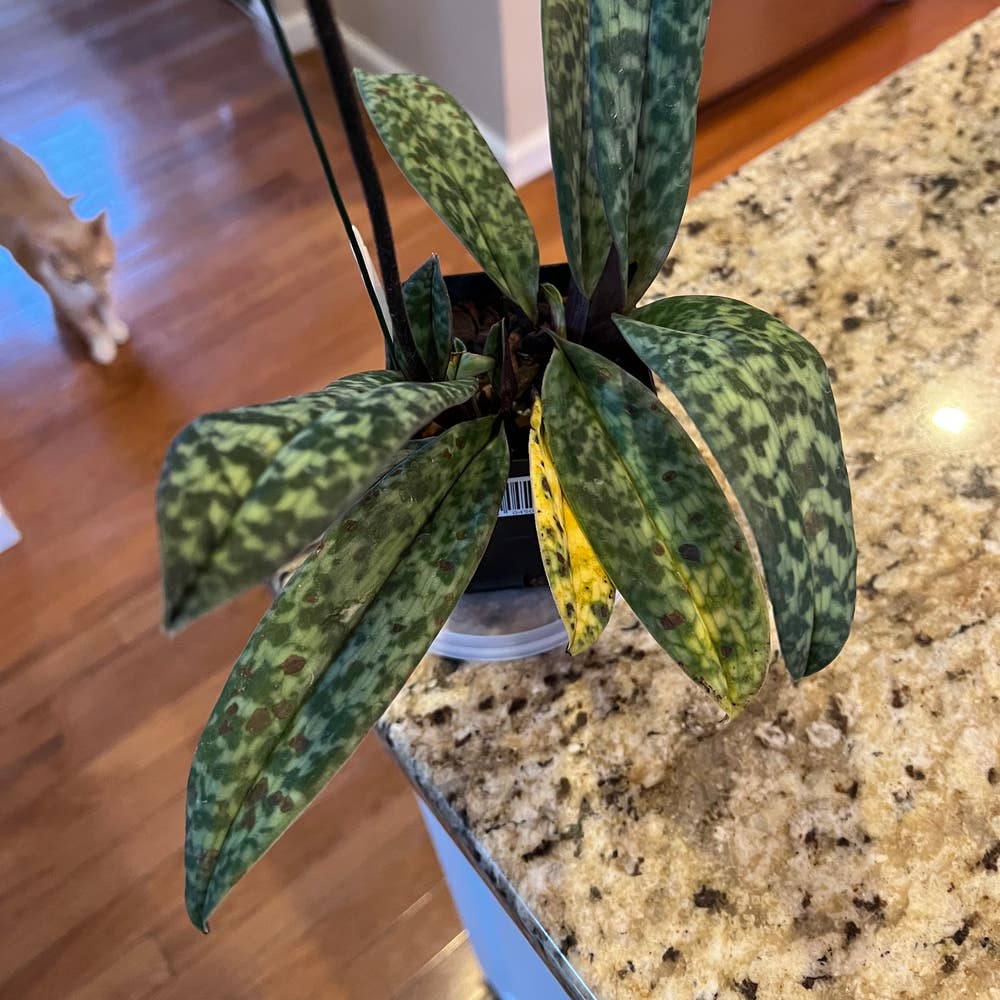
When you spot black spots on your Lady Slipper leaves, the first step is to assess their size, color, and texture. Small, dark spots may indicate a mild issue, while larger, irregular patches could signal a more severe problem.
To determine the severity, look for additional symptoms like leaf curling or wilting. If the spots are spreading rapidly, it’s time to take action.
Differentiating Between Causes 🔍
Understanding the cause of black spots is crucial for effective treatment. Fungal infections often present as fuzzy or powdery spots, typically spreading in a circular pattern. These infections thrive in humid conditions and can quickly escalate if not addressed.
On the other hand, bacterial infections usually appear as water-soaked lesions that may ooze. They often progress rapidly, leading to leaf decay if left untreated.
Environmental stress can also manifest as black spots. Look for signs like leaf curling, discoloration, or wilting, which indicate that your plant may be struggling with factors like improper watering or light conditions.
By identifying these symptoms and their causes, you can better tailor your approach to restoring your Lady Slipper's health. Next, let’s explore treatment options to tackle these issues effectively.
Treatment Options
Chemical Treatments 🧪
Fungicides are your go-to for tackling fungal infections. They come in various types, including systemic and contact fungicides, each with specific application methods.
Bactericides are essential when dealing with bacterial issues. Use them effectively by applying them directly to the affected areas, following the manufacturer's instructions closely.
Safety is paramount when handling these chemicals. Always wear gloves and a mask, and ensure you protect your plant by applying treatments in a well-ventilated area.
Natural Remedies 🌿
Homemade solutions can be just as effective as commercial products. For instance, a simple baking soda spray can help combat fungal growth.
Natural remedies are not only effective but also gentler on the environment. They reduce the risk of harming beneficial insects and promote a healthier ecosystem around your plants.
Step-by-Step Treatment Process 📝
- Identify the type of infection: Determine whether it’s fungal or bacterial.
- Choose appropriate treatment: Decide between chemical or natural options based on your findings.
- Apply treatment according to instructions: Follow the guidelines for the chosen method carefully.
- Monitor the plant: Keep an eye out for signs of improvement or worsening conditions.
By following these steps, you can effectively address black spots on your Lady Slipper and help it thrive once again. Next, let’s explore preventive measures to keep your plant healthy and resilient.
Preventive Measures
Best Practices for Watering and Humidity 🌧️
Maintaining the right watering schedule is crucial for your Lady Slipper's health. Aim to water your plant once a week, ensuring the soil is moist but not soggy.
Humidity plays a significant role in preventing black spots. Lady Slippers thrive in humidity levels of 50% to 70%. Consider using a humidifier or placing a tray of water nearby to maintain these levels.
Optimal Light Conditions and Soil Considerations ☀️
Light conditions can make or break your plant's health. Lady Slippers prefer full shade to partial sunlight, so avoid direct afternoon sun, which can scorch the leaves.
Soil choice is equally important. Use a well-draining, moisture-retentive mix to keep the roots happy and healthy. A blend of peat moss, bark, and perlite works wonders for drainage and moisture retention.
By following these preventive measures, you can create an environment that minimizes the risk of black spots. This proactive approach not only enhances your plant's vitality but also enriches your gardening experience.
Next, let’s dive into ongoing care and monitoring to ensure your Lady Slipper remains in top shape.
Ongoing Care and Monitoring
Regular Inspection Routines 🌿
To keep your Lady Slipper healthy, conduct weekly inspections. Look for black spots and assess the overall health of the plant.
Pay attention to changes in leaf color, texture, and growth patterns. Early detection can make a significant difference in treatment outcomes.
Signs of Recovery or Worsening Conditions 🔍
Watch for indicators of improvement, such as new growth and reduced spots. These signs suggest your treatment is working.
Conversely, be alert for warning signs of worsening conditions, like increased leaf spots and wilting. Addressing these issues promptly can help restore your plant's vitality.
Regular monitoring not only helps you catch problems early but also fosters a deeper connection with your plant. With attentive care, your Lady Slipper can thrive beautifully.
⚠️ Safety First
This content is for general information and may contain errors, omissions, or outdated details. It is not medical, veterinary advice, or an endorsement of therapeutic claims.
Always consult a qualified healthcare professional before using any plant as food, medicine, or supplement.
Never eat any plant (or feed one to pets) without confirming its identity with at least two trusted sources.
If you suspect poisoning, call Poison Control (800) 222-1222, the Pet Poison Helpline (800) 213-6680, or your local emergency service immediately.
Spotted an error? Please report it here.
Keep your Lady Slipper spot-free 🌱 and thriving with Greg's tailored care reminders and expert tips that empower you to tackle black spots head-on!