🌸 Lady Slipper Zones
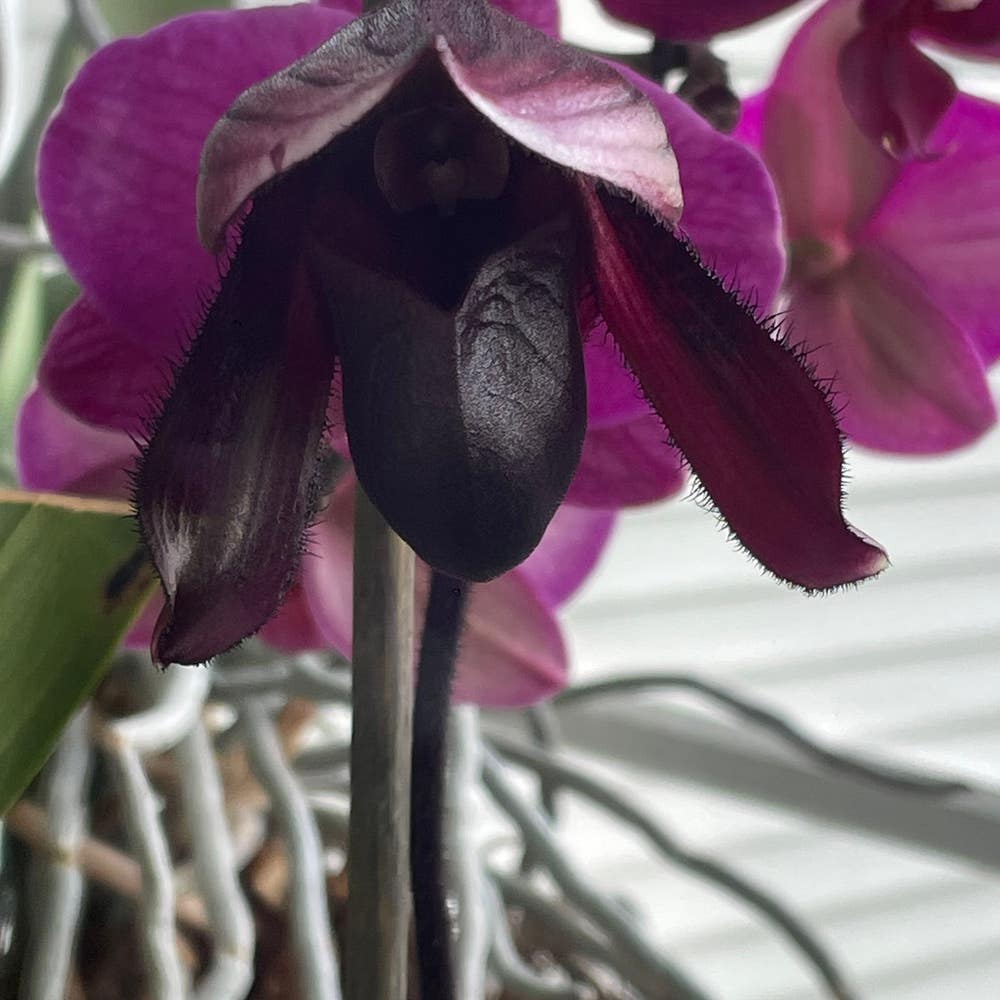
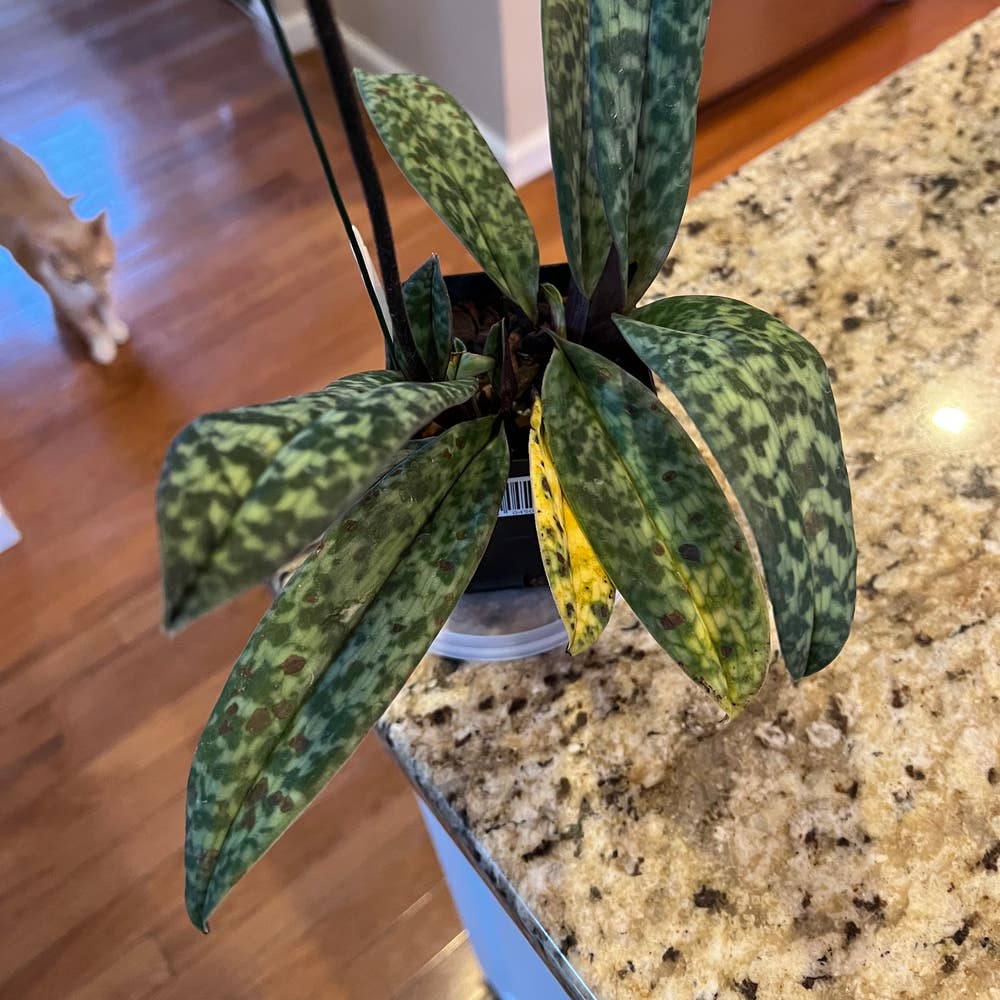
Paphiopedilum barbatum
By the Greg Editorial Team
Oct 04, 2024•6 min read
This article was created with the help of AI so we can cover more plants for you. May contain errors. See one? Report it here.
Master the art of growing Lady Slippers 🌱 by understanding their ideal temperature and care needs for stunning blooms!
- 🌡️ Lady Slippers thrive in USDA zones 4 to 8 with ideal temperatures between 60°F to 75°F.
- 🌳 Partial shade and well-drained, acidic soils are essential for healthy growth.
- 🌊 Microclimates and urban gardens can extend growing zones for Lady Slippers.
Lady Slipper Temperature Tolerance
❄️ Cold Tolerance Specifics
Lady Slippers thrive in a specific temperature range for cold tolerance, generally between 20°F to 60°F (-6°C to 15°C). Different species exhibit varying levels of cold tolerance; for instance, the Cypripedium reginae can withstand colder temperatures than the Cypripedium acaule.
Frost can significantly impact their growth and survival. Even a light frost can damage new shoots, affecting overall plant health and flowering potential.
🔥 Heat Tolerance Specifics
When it comes to heat, Lady Slippers prefer temperatures between 70°F to 85°F (21°C to 29°C). However, prolonged exposure to higher temperatures can lead to heat stress, which manifests as wilting or leaf scorch.
To manage heat exposure, consider providing shade during peak sunlight hours. Mulching can also help retain soil moisture and regulate temperature.
🌱 Ideal Temperature Ranges for Growth
For optimal growth, Lady Slippers flourish in a comprehensive temperature range of 60°F to 75°F (15°C to 24°C). Seasonal temperature variations can impact their growth cycles, with spring warmth triggering blooming.
Avoiding temperature extremes is crucial. Sudden shifts can stress the plants, leading to poor growth or even death.
Ideal Regions for Growing Lady Slipper
🌍 Examples of US States Suitable for Lady Slipper
Lady Slippers thrive in USDA hardiness zones 4 to 8. States like New York, Pennsylvania, and Oregon are particularly favorable for their climate and soil conditions.
Within these states, specific regions stand out. For instance, the Adirondack Mountains in New York and the Appalachian foothills in Pennsylvania provide ideal habitats. Oregon’s coastal areas also offer the right balance of moisture and shade.
🌧️ Factors Contributing to Ideal Growing Conditions
Soil Requirements
Lady Slippers prefer well-drained, acidic soils rich in organic matter. This nutrient-rich environment supports their growth and flowering.
Moisture Levels
Consistent moisture is crucial, but avoid waterlogging. A balance ensures the roots remain healthy without drowning.
Light Conditions
These plants thrive in partial shade, often found in woodland settings. Too much direct sunlight can stress them, so a dappled light environment is best.
🌡️ Comparison of Regions with Varying Climates
Different climate types across suitable states can significantly impact Lady Slipper growth. For example, the humid continental climate in the Northeast offers ample moisture, while the Mediterranean climate in parts of Oregon provides a unique balance of warmth and moisture.
Local climate variations, such as elevation and proximity to water bodies, can enhance or hinder growth. Regions with microclimates, like sheltered valleys or areas near lakes, often create ideal conditions for Lady Slippers to flourish.
In summary, understanding the interplay of soil, moisture, and light conditions is vital for cultivating these beautiful orchids. With the right environment, Lady Slippers can thrive, bringing a touch of elegance to your garden.
Microclimates and Their Impact
🌱 How Microclimates Can Extend Growing Zones
Microclimates are localized areas where the climate differs from the surrounding region. These unique conditions can create opportunities for growing plants like Lady Slippers outside their typical hardiness zones.
For instance, a south-facing slope may receive more sunlight and warmth than the surrounding areas. This can lead to a microclimate that supports the growth of Lady Slippers, even in regions where they might otherwise struggle.
🌼 Examples of Microclimates That Benefit Lady Slipper
Certain locations are prime examples of microclimates that enhance the cultivation of Lady Slippers.
Urban Gardens: Cities often create heat islands, where temperatures are slightly elevated. This can provide a warmer environment for Lady Slippers, allowing them to thrive.
Valleys and Ravines: These areas can trap heat and moisture, creating ideal conditions for growth. For example, valleys in the Appalachian region often support diverse plant life, including Lady Slippers.
Coastal Areas: Proximity to large bodies of water can moderate temperatures, reducing extremes. Coastal microclimates in states like California can be particularly beneficial for Lady Slippers.
Case studies show that gardeners in these microclimates have successfully cultivated Lady Slippers, demonstrating the adaptability of these beautiful plants. By understanding and utilizing microclimates, enthusiasts can expand their growing zones and enjoy the beauty of Lady Slippers in unexpected places.
As we explore the broader implications of these microclimates, we’ll look at state-level suitability analysis next.
State-Level Suitability Analysis
🌱 List of US States Within Suitable Hardiness Zones
Lady Slipper orchids thrive in specific USDA hardiness zones, primarily ranging from 4 to 8. Here’s a comprehensive list of states where these beautiful plants can flourish:
- Maine: Zones 4-5, ideal for cold-tolerant species.
- New Hampshire: Zones 4-5, with rich, acidic soils.
- Vermont: Zones 4-5, perfect for shaded woodland areas.
- New York: Zones 4-7, especially in the northern regions.
- Pennsylvania: Zones 5-7, where moisture levels are consistent.
- Ohio: Zones 5-6, with a mix of woodlands and open areas.
- Michigan: Zones 4-6, particularly in the Upper Peninsula.
- Wisconsin: Zones 4-5, thriving in shaded spots.
- Minnesota: Zones 4-5, with ample moisture and organic matter.
- Oregon: Zones 6-8, especially in the cooler coastal regions.
These states provide the right conditions for Lady Slippers, ensuring they can grow and bloom beautifully.
🚫 List of US States Outside Suitable Hardiness Zones
While many states offer favorable conditions, some are less suitable for Lady Slipper cultivation. Here’s a list of states where these orchids struggle to thrive:
- Florida: Too warm and humid, leading to heat stress.
- Texas: Extreme heat and drought conditions hinder growth.
- California: Coastal areas may work, but inland heat is problematic.
- Nevada: High temperatures and arid conditions are unsuitable.
- Arizona: Excessive heat and low moisture levels are detrimental.
These states face climatic challenges that prevent Lady Slippers from flourishing.
🔍 Reasons for Suitability or Unsuitability
Understanding why certain states are suitable or unsuitable for Lady Slippers involves examining temperature extremes and soil conditions.
Temperature Extremes: States like Florida and Texas experience high heat, which can stress the plants. In contrast, northern states maintain cooler temperatures that Lady Slippers prefer.
Frost Occurrence: Areas with frequent frost can damage these orchids, making regions with milder winters more favorable.
Soil and Moisture Conditions: Lady Slippers thrive in well-drained, acidic soils rich in organic matter. States lacking these soil types or experiencing inconsistent moisture levels struggle to support their growth.
In summary, the overall impact of hardiness zones significantly influences Lady Slipper cultivation. Understanding these factors can help gardeners choose the best locations for planting and nurturing these exquisite orchids.
As we explore the next topic, let’s dive into the fascinating world of microclimates and how they can enhance growing conditions for Lady Slippers.
⚠️ Safety First
This content is for general information and may contain errors, omissions, or outdated details. It is not medical, veterinary advice, or an endorsement of therapeutic claims.
Always consult a qualified healthcare professional before using any plant as food, medicine, or supplement.
Never eat any plant (or feed one to pets) without confirming its identity with at least two trusted sources.
If you suspect poisoning, call Poison Control (800) 222-1222, the Pet Poison Helpline (800) 213-6680, or your local emergency service immediately.
Spotted an error? Please report it here.
Cultivating thriving Lady Slippers 🌸 is easy when you leverage Greg's tailored care plans to meet their unique temperature and moisture needs!