🌸 Why Lady Slipper Leaves Turn Yellow
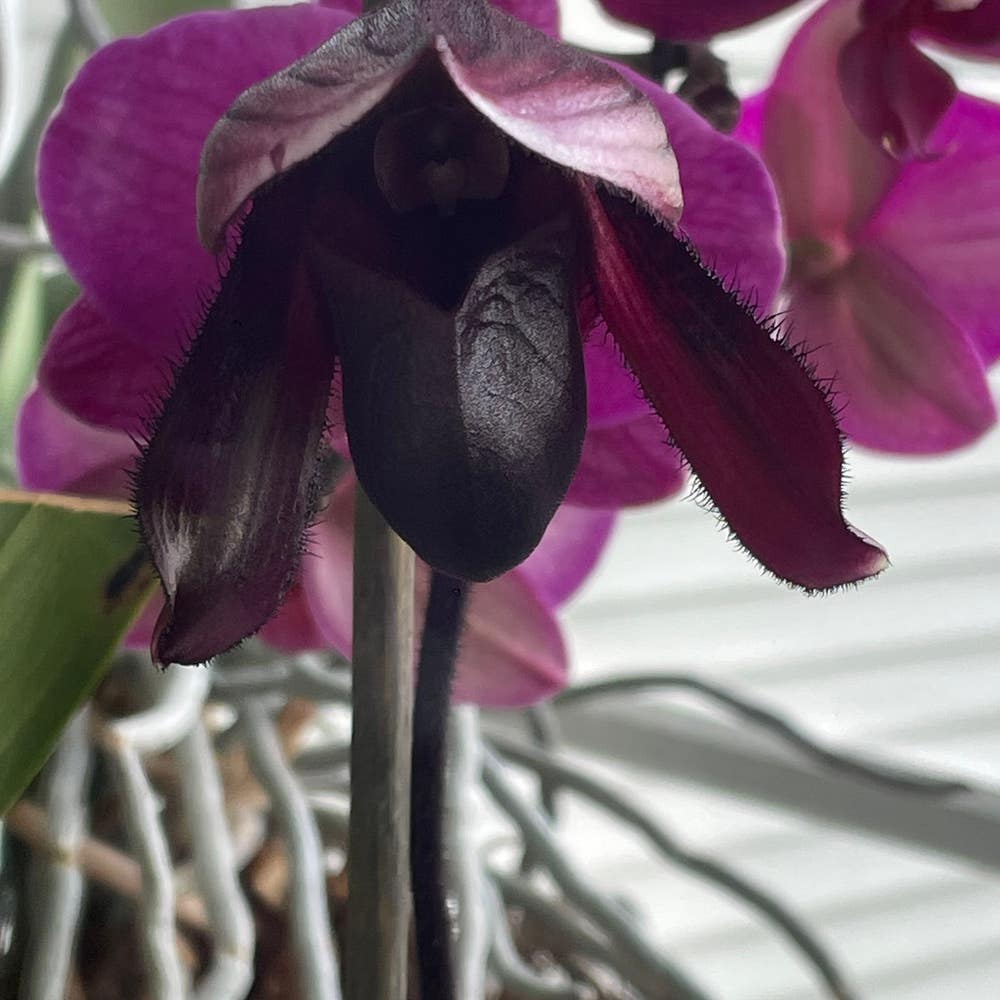
Paphiopedilum barbatum
By the Greg Editorial Team
Oct 04, 2024•5 min read
This article was created with the help of AI so we can cover more plants for you. May contain errors. See one? Report it here.
Transform your yellowing Lady Slipper orchids 🌿 into lush beauties with these essential care tips for vibrant growth!
- 🌼 Yellow leaves indicate issues like overwatering, light, pests, or diseases in Lady Slippers.
- 🔍 Assess yellowing patterns—uniform or patchy—to diagnose the underlying problem effectively.
- 💧 Adjust watering and light to prevent yellowing; allow substrate to dry between waterings.
Diagnosing Yellow Leaves
Identifying Symptoms 🌿
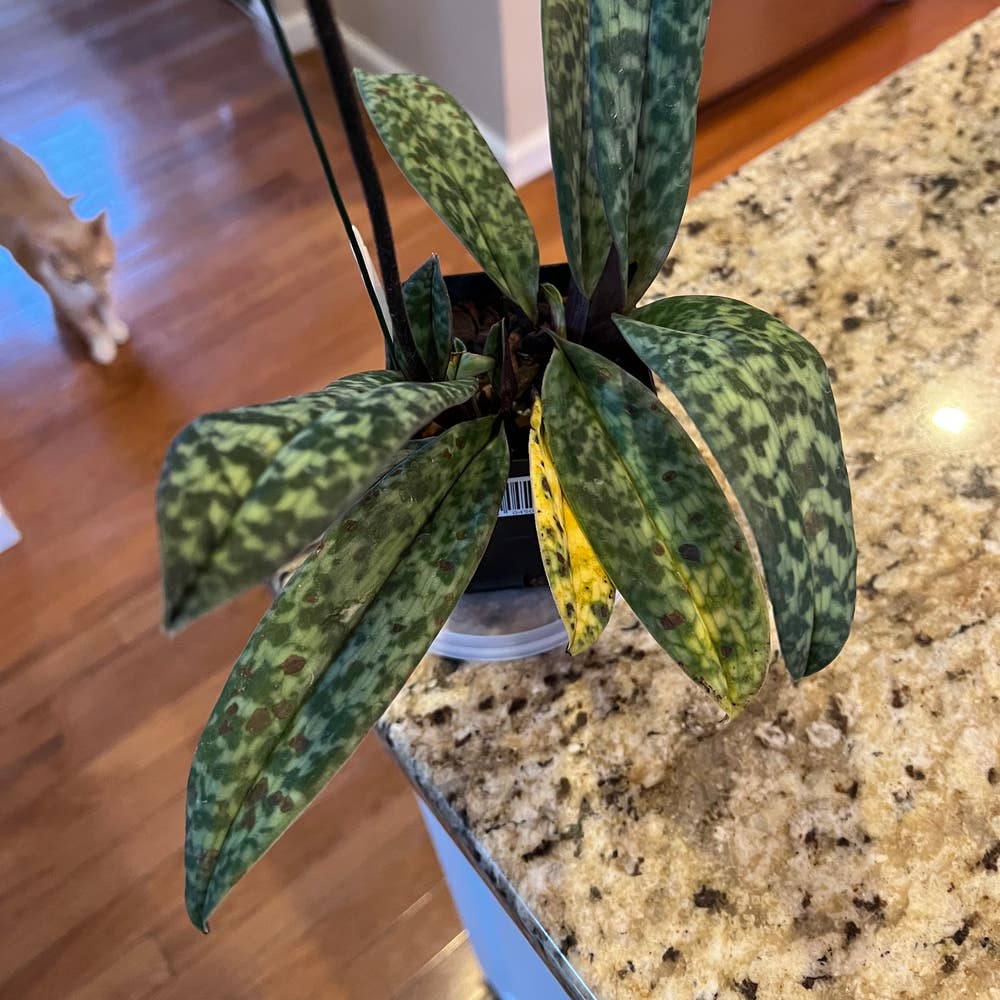
Yellowing leaves can signal various issues with your Lady Slipper orchids. Pay attention to the patterns of yellowing: is it uniform across the leaf, or are there patchy areas?
Additionally, examine the leaf texture. Are the leaves soft and limp, or are they crisp and brittle? These visual indicators can help pinpoint the underlying problem.
Assessing Watering Practices 💧
Next, evaluate your watering practices. How often do you water your orchids, and how much water do you use each time?
It's crucial to allow the substrate to dry between waterings. Overwatering can lead to yellow leaves, so finding the right balance is key.
Evaluating Light Conditions ☀️
Light exposure plays a significant role in the health of your orchids. Check the light intensity using a light meter to ensure your plants are getting the right amount.
If necessary, adjust the plant's placement based on its light needs. Too much or too little light can both cause yellowing.
Checking for Pests and Diseases 🐛
Inspecting for pests and diseases is essential in diagnosing yellow leaves. Use a magnifying glass for a detailed inspection of both leaves and roots.
Look for signs of disease, such as fungal spots or discoloration on the leaves. Early detection can make a significant difference in treatment outcomes.
With these diagnostic steps, you can better understand why your Lady Slipper leaves are turning yellow. Next, we’ll explore how to prevent yellow leaves from becoming a recurring issue.
Preventing Yellow Leaves
Proper Watering Techniques 🌊
Watering your Lady Slipper orchids correctly is crucial for their health. Aim to water every 1-2 weeks, ensuring the substrate dries out between waterings to prevent root rot.
Look for signs of proper moisture levels, such as slightly damp soil. If the top inch feels dry, it’s time to water.
Optimal Light Conditions ☀️
Light plays a vital role in the growth of Lady Slippers. Ensure they receive adequate light by adjusting their placement according to seasonal changes.
Using sheer curtains can help diffuse harsh sunlight, providing the right balance of light without overwhelming your orchids.
Fertilization Guidelines 🌱
A consistent fertilization schedule supports healthy growth. Feed your Lady Slippers monthly during the growing season to provide essential nutrients.
Opt for fertilizers specifically designed for orchids, as they contain the right balance of nutrients for optimal growth.
Regular Pest Inspections 🔍
Routine checks for pests are essential to keep your orchids thriving. Inspect your plants bi-weekly to catch any infestations early.
Look for signs like webbing, sticky residue, or discolored leaves, which can indicate pest problems that need addressing.
Environmental Control (Humidity and Temperature) 🌬️
Maintaining ideal humidity levels is key for Lady Slippers. Consider using humidity trays or misting to create a suitable environment.
Temperature control is equally important; avoid drafts and extreme temperature changes to keep your orchids comfortable and healthy.
By implementing these preventive measures, you can significantly reduce the chances of yellow leaves and ensure your Lady Slipper orchids flourish. Next, let’s explore how to treat yellow leaves effectively when they do occur.
Treating Yellow Leaves
Adjusting Watering Schedule 🌧️
To treat yellowing leaves, start by adjusting your watering schedule. Reduce the frequency based on current conditions, ensuring you don’t overwater.
Monitor soil moisture levels closely. A moisture meter can help you determine when it's time to water again.
Fertilizer Application 🌱
Proper fertilization is crucial for Lady Slipper orchids. Use liquid fertilizers at the recommended dilution rates to avoid nutrient burn.
Timing is key; apply fertilizers during the growing season for maximum effectiveness. This will help your orchids bounce back from yellowing leaves.
Pest Management Strategies 🐛
Pests can be a hidden culprit behind yellow leaves. Natural remedies like neem oil and insecticidal soap are effective for controlling infestations.
If you opt for chemical solutions, know when to use them and how to apply them safely. Always follow the instructions for best results.
Remediation for Root Rot 🥴
Root rot is a serious issue that can lead to yellowing leaves. If you suspect root rot, remove the affected roots immediately.
Repot your orchid using a sterile potting mix to promote recovery. This will give your plant a fresh start and help it thrive.
Recovery Techniques for Affected Leaves 🌿
To encourage recovery, consider pruning damaged leaves. This promotes new growth and helps the plant redirect energy.
Provide optimal conditions, such as proper light and humidity, to support recovery. Your Lady Slipper will thank you with vibrant, healthy leaves.
As you implement these treatment strategies, remember that patience is key. Your efforts will pay off as your orchids regain their lush, green vitality.
Seasonal Considerations
🌱 Adjusting Care During Different Seasons
Caring for Lady Slipper orchids requires a seasonal approach. In spring, increase watering and fertilization to support their growth spurt.
As temperatures rise, these orchids thrive on more moisture and nutrients. Conversely, during winter, reduce both light exposure and watering to mimic their natural dormancy period.
💤 Preparing for Dormancy
Recognizing when your Lady Slipper is entering dormancy is crucial. Yellowing leaves can be a normal part of this process, signaling that the plant is conserving energy.
During dormancy, it's essential to cut back on both water and fertilizer. This helps the plant rest and prepare for the next growth cycle, ensuring it emerges healthy and vibrant.
By adjusting care based on the seasons, you can keep your Lady Slipper thriving year-round. Next, let’s explore effective strategies for treating yellow leaves.
⚠️ Safety First
This content is for general information and may contain errors, omissions, or outdated details. It is not medical, veterinary advice, or an endorsement of therapeutic claims.
Always consult a qualified healthcare professional before using any plant as food, medicine, or supplement.
Never eat any plant (or feed one to pets) without confirming its identity with at least two trusted sources.
If you suspect poisoning, call Poison Control (800) 222-1222, the Pet Poison Helpline (800) 213-6680, or your local emergency service immediately.
Spotted an error? Please report it here.
Diagnosing yellowing leaves on your Lady Slipper is easy with Greg's tailored care tips 🌱, ensuring your orchids get the right light, water, and nutrients for vibrant growth!