Reasons Why Your Lady Slipper Won't Flower 🦋
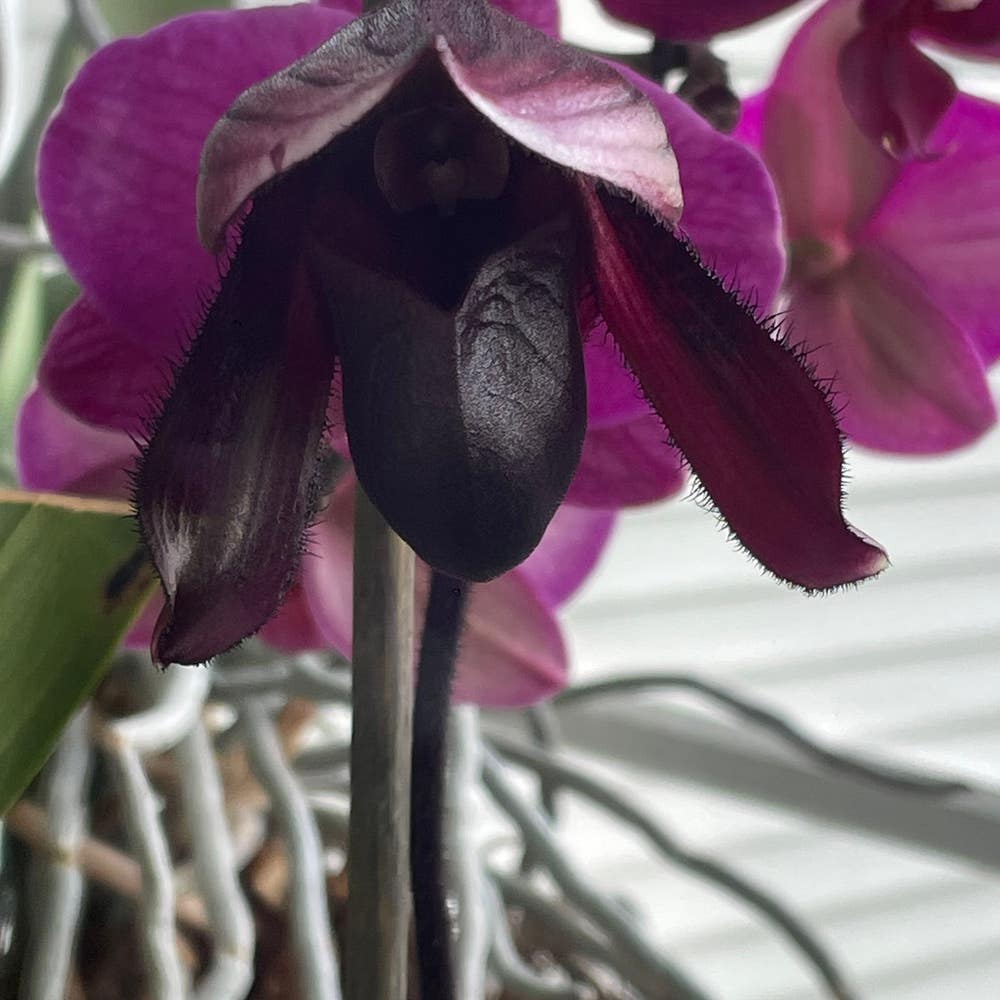
Paphiopedilum barbatum
By the Greg Editorial Team
Oct 04, 2024•3 min read
This article was created with the help of AI so we can cover more plants for you. May contain errors. See one? Report it here.
Revive your Lady Slipper blooms 🌼 by mastering light, water, and nutrients for stunning orchid displays!
- 🌞 Bright, indirect light is crucial for your Lady Slipper to bloom.
- 🌱 Nutritional deficiencies, especially phosphorus, can prevent flowering in Lady Slippers.
- ❄️ Proper dormancy and cooler temperatures are essential for initiating blooms.
Flowering Issues in Lady Slipper
🌼 Reasons for Failure to Bloom
Common Causes
Lady Slipper orchids can be tricky when it comes to blooming. One major reason is insufficient light exposure; these beauties thrive in bright, indirect light.
Another factor is an inadequate dormancy period. A proper rest phase is crucial for initiating flowers. Lastly, nutritional deficiencies, especially a lack of phosphorus, can hinder blooming.
🌸 Solutions
To encourage blooming, start by adjusting light conditions. Move your orchid to a brighter spot or consider using grow lights.
Next, ensure your plant experiences a proper dormancy. This means maintaining cooler temperatures and reducing watering during this phase.
Lastly, focus on your fertilization schedule. Use a balanced orchid fertilizer with higher phosphorus content during the growing season to promote healthy blooms.
🌿 Causes of Premature Flower Drop
Identifying Triggers
Premature flower drop can be disheartening. Common triggers include environmental stress, such as sudden temperature changes or drafts.
Additionally, overwatering or underwatering can severely impact root health and flower stability. Nutritional imbalances, particularly a lack of essential nutrients, can also lead to weak flowers.
🌻 Solutions
To combat these issues, start by stabilizing environmental conditions. Avoid placing your orchid near vents or windows where drafts can occur.
Next, adjust your watering practices. Ensure consistent moisture without waterlogging the roots.
Finally, implement regular fertilization with a nutrient-rich orchid fertilizer to support overall flower health.
🌈 Abnormal Flower Development
Types of Abnormalities
Sometimes, flowers may develop abnormally. This can manifest as deformed flowers, often caused by genetic factors or environmental stress.
Another issue is color fading, which can result from nutrient deficiencies or excessive light exposure.
🌼 Solutions
To address these abnormalities, focus on monitoring environmental conditions. Ensure stable humidity and temperature levels.
Also, manage your nutrient intake. Adjust your fertilization to include micronutrients, which can enhance flower color and vibrancy.
🌱 Cultural Practices
✂️ Pruning Techniques to Encourage Flowering
Best Practices
Pruning is essential for promoting new growth. The best time for pruning is post-bloom, allowing the plant to focus its energy on new development.
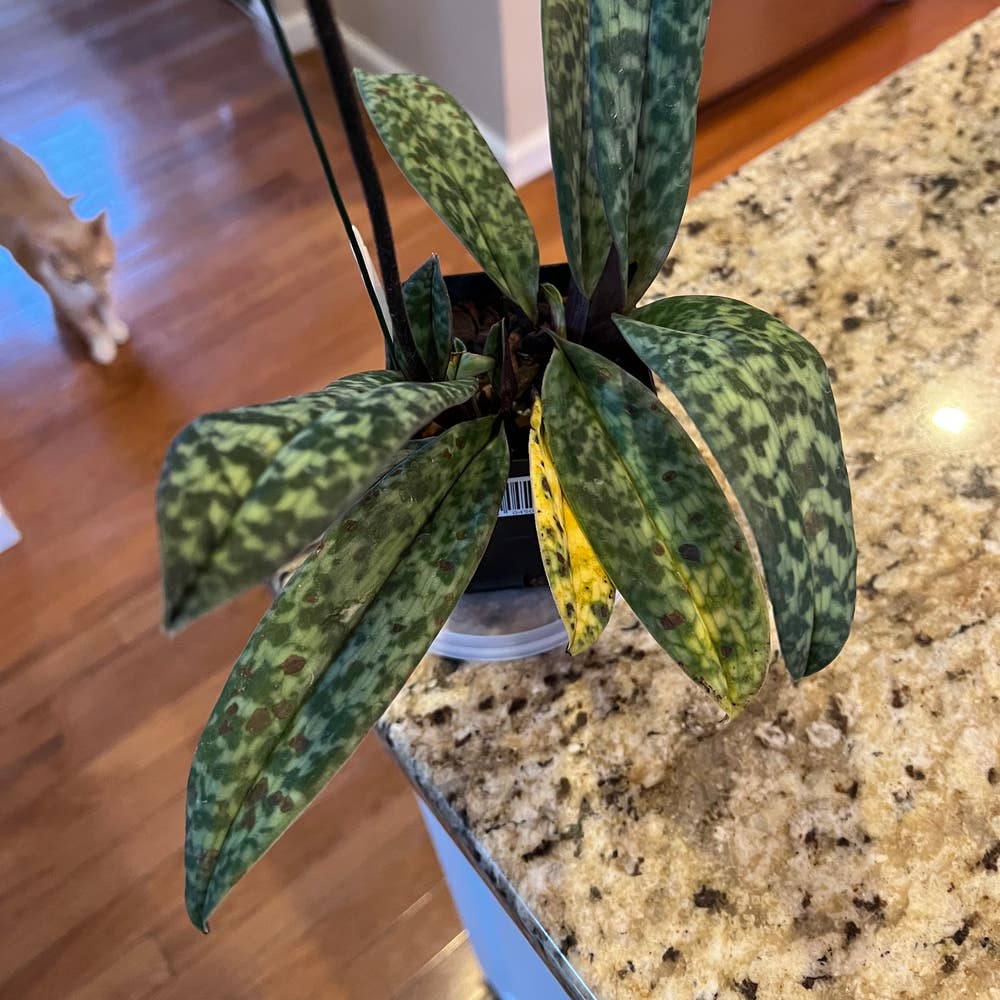
When pruning, remove dead or yellowing leaves and spent flower spikes to encourage airflow and overall plant health.
🌿 Solutions
Regular inspection of your Lady Slipper is key. Monitor plant health and prune as needed to maintain optimal conditions for flowering.
💧 Watering Practices and Their Effects on Blooming
Watering Guidelines
Watering practices significantly affect blooming. Aim to water when the top inch of the medium feels dry.
Additionally, ensure that your pots have adequate drainage to prevent root rot, which can be detrimental to flower production.
🌊 Solutions
Consider adjusting your watering schedule. Using the Greg plant care app can help remind you based on your specific environmental conditions.
🛠️ Troubleshooting and Solutions
🔍 Diagnosing Flowering Problems
Common Symptoms
If your Lady Slipper isn't blooming, start by assessing light, water, and nutrient levels.
For premature drop, investigate potential environmental stressors and care mistakes.
🧩 Solutions
A systematic evaluation is essential. Check each factor methodically to identify and resolve issues affecting your orchid.
📋 Step-by-Step Solutions for Common Issues
Addressing Specific Problems
- For failure to bloom: Adjust light and ensure proper dormancy.
- For bud drop: Stabilize environmental conditions and check watering practices.
- For abnormal flower development: Monitor nutrients and environmental stability.
🔄 Solutions
Implement changes gradually. Monitor your plant's response to adjustments for the best results.
With these insights, you can nurture your Lady Slipper to bloom beautifully. Next, let’s explore more about cultural practices that can enhance your orchid care.
⚠️ Safety First
This content is for general information and may contain errors, omissions, or outdated details. It is not medical, veterinary advice, or an endorsement of therapeutic claims.
Always consult a qualified healthcare professional before using any plant as food, medicine, or supplement.
Never eat any plant (or feed one to pets) without confirming its identity with at least two trusted sources.
If you suspect poisoning, call Poison Control (800) 222-1222, the Pet Poison Helpline (800) 213-6680, or your local emergency service immediately.
Spotted an error? Please report it here.
Unlock stunning blooms 🌺 for your Lady Slipper orchids by using Greg's tailored care reminders and watering schedules to create the perfect environment for thriving flowers!