Common Lady Slipper Problems and Solutions 🌸
Paphiopedilum barbatum
By the Greg Editorial Team
Oct 04, 2024•4 min read
This article was created with the help of AI so we can cover more plants for you. May contain errors. See one? Report it here.
Transform your lady slipper's health 🌱 by quickly identifying distress signs and applying expert care techniques!
- 🌱 Recognizing unhealthy lady slippers is vital for their recovery and health.
- 💧 Yellowing leaves indicate stress; adjust watering and nutrients for better growth.
- 🌞 Inadequate light causes leggy growth; ensure proper lighting for optimal health.
Recognizing Unhealthy Lady Slipper
Symptoms 🌱
Identifying an unhealthy lady slipper is crucial for its recovery. Here are the key symptoms to watch for:
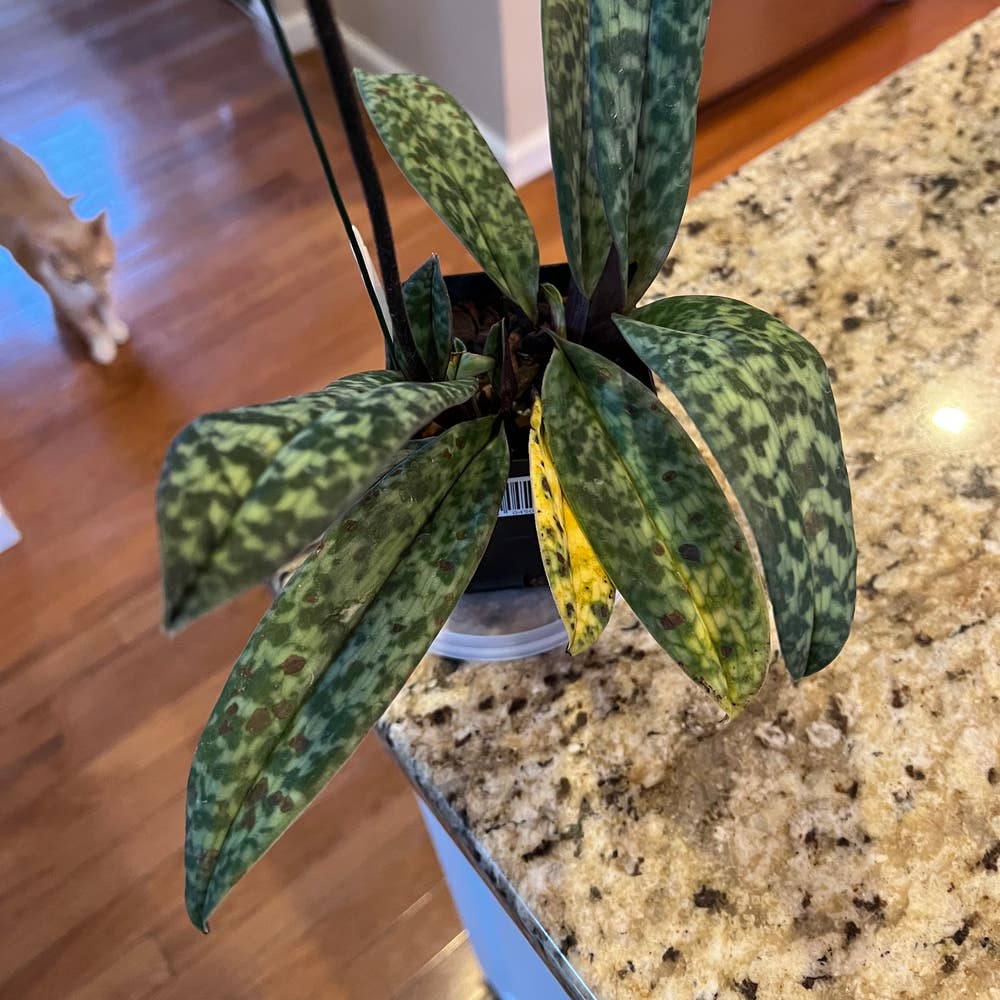
Yellowing Leaves 💛
Yellowing leaves often indicate stress or a nutrient deficiency. If you notice this, it’s a sign that your plant may need immediate attention.
Wilting or Drooping 😢
Wilting or drooping leaves suggest potential watering issues or root problems. This can be a red flag that your lady slipper isn't getting the care it needs.
Fuzzy Growth 🦠
Fuzzy growth on the leaves can be a potential sign of fungal infections. If you see this, it’s essential to act quickly to prevent further damage.
Leaning or Leggy Growth 📏
Leaning or leggy growth indicates inadequate light or nutrient issues. This can lead to a weak structure, making your plant more susceptible to other problems.
Recognizing these symptoms early can make a significant difference in your lady slipper's health. By addressing these issues promptly, you can help your plant thrive and flourish. Next, let’s dive into common problems that can affect your lady slipper and how to tackle them effectively.
Common Problems
💧 Incorrect Watering
Identifying Issues
Overwatering is a common issue, often signaled by yellowing leaves, mushy roots, and wilting. Conversely, underwatering manifests as dry, crispy leaves and drooping stems.
Causes and Solutions
Overwatering usually stems from poor drainage or excessive rainfall. To remedy this, allow the soil to dry out, improve drainage, and adjust your watering schedule accordingly.
Underwatering can occur due to infrequent watering or dry conditions. The solution is straightforward: water thoroughly, ensuring moisture reaches the root zone.
💡 Incorrect Light Conditions
Signs and Adjustments
Inadequate light results in leggy growth, small flowers, and pale leaves. On the flip side, excessive light can scorch leaves, leading to browning edges and faded colors.
To address these issues, move your lady slipper to a location with filtered sunlight or partial shade. This adjustment can make a significant difference in plant health.
🌡️ Temperature Issues
Symptoms and Adjustments
Extreme heat can cause yellowing leaves and wilting, while cold conditions may stunt growth or lead to leaf drop. The ideal temperature for lady slippers ranges from 60°F to 75°F (15°C to 24°C).
To maintain these conditions, consider using heating mats or shade cloths. This will help create a more stable environment for your plants.
🐛 Pests and Diseases
Common Pests
Aphids are small, green insects that can cause leaf curling, while spider mites leave fine webbing and stippled leaves. Regular inspections are crucial for early detection.
For treatment, use insecticidal soap or neem oil. These methods are effective and less harmful to your plants.
Common Diseases
Powdery mildew appears as white, powdery spots on leaves, while rust manifests as orange or brown spots. Black rot leads to dark lesions, and blight causes rapid wilting and browning.
To combat these diseases, increase air circulation and apply fungicides for powdery mildew and rust. For black rot and blight, improve drainage and avoid overhead watering.
🌱 Growth Problems
Identifying Issues
If your lady slipper isn't growing, it may be due to poor light, nutrient deficiency, or root issues. Insufficient light can also prevent fruiting, while leaning plants may need support.
Leggy and etiolated growth often results from inadequate light. Identifying these issues early can help you take corrective action.
Solutions
Ensure your plants receive adequate light and nutrients. Providing support for leaning plants and pruning leggy growth can also promote healthier development.
With these insights, you can tackle common lady slipper problems effectively. Next, let’s explore preventive measures to keep your plants thriving year-round.
Preventive Measures
Best Practices 🌱
To keep your lady slippers thriving, regularly check moisture levels and adjust your watering routine. It's essential to ensure they receive the right light and temperature conditions for optimal growth.
Frequent monitoring for pests and diseases is crucial. Catching issues early can save your plants from significant damage.
Seasonal Considerations 🍂
Adjust your care practices with the changing seasons. For instance, increase watering during the summer months when evaporation rates are higher.
As winter approaches, prepare your plants by reducing watering and protecting them from frost. This proactive approach can make a world of difference.
Using Technology for Care 📱
Greg Plant Care App
Consider utilizing the Greg Plant Care App to simplify your plant care routine. This app offers features like care reminders, watering schedules, and pest alerts to keep you on track.
Monitoring and Reminders
Set up personalized care schedules based on your lady slippers' specific needs. With notifications for watering, fertilizing, and pest checks, you'll never miss a beat in your plant care journey.
By implementing these preventive measures, you can create a thriving environment for your lady slippers, ensuring they remain healthy and vibrant. Next, let’s explore how to identify and address common problems that may arise.
⚠️ Safety First
This content is for general information and may contain errors, omissions, or outdated details. It is not medical, veterinary advice, or an endorsement of therapeutic claims.
Always consult a qualified healthcare professional before using any plant as food, medicine, or supplement.
Never eat any plant (or feed one to pets) without confirming its identity with at least two trusted sources.
If you suspect poisoning, call Poison Control (800) 222-1222, the Pet Poison Helpline (800) 213-6680, or your local emergency service immediately.
Spotted an error? Please report it here.
Revive your lady slippers with proactive care 🌼—let Greg guide you with tailored reminders and expert tips to keep them thriving!